

Reviewed · HISTORICAL TOURS
Nairobi souvenir Shopping and Historical Half day Tour
Nairobi’s best souvenirs are not all found in one shop. This private half-day outing takes you from a women-run bead workshop to a large craft center, a wood-carving shop, and the shifting Maasai Market. Kazuri Beads is the emotional center: you see clay become jewelry and learn how the work supports women from across Kenya.
I like the door-to-door private transport, since shopping bags, city traffic, and unfamiliar prices can wear you down quickly. I also like the flexible guides, especially Tim, Obed, and Mwose, who have been praised for clear English, useful pricing advice, and tailoring the route to each group. The main caution is timing: one pickup was an hour late because of a delay and a hotel mix-up, so confirm your hotel details carefully.
Key points to know before you book
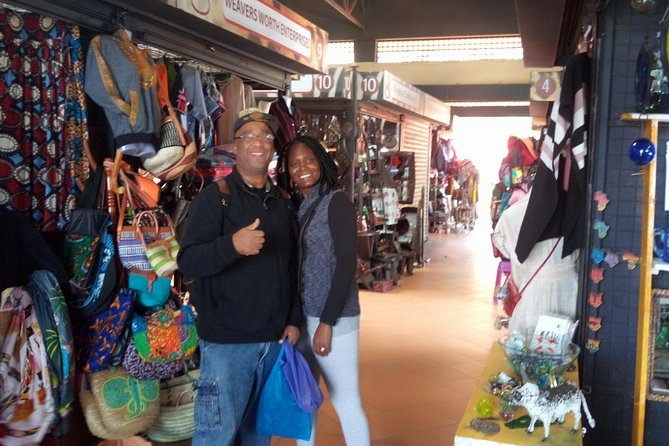
- Kazuri Beads shows the craft process, not just the finished products, with a practical look at clay, pottery, and jewelry making.
- A private driver-guide helps with translation and prices, and can carry purchases between stops.
- The Maasai Market changes location by day, so the market experience depends heavily on your tour date.
- Utamaduni combines shopping with a garden restaurant, making it a pleasant place for a break.
- The route can cover four or five stops in four to six hours, but traffic and shopping time may shape the final schedule.
- The $70 price buys convenience and privacy, but your souvenirs, food, drinks, and optional photos cost extra.
Why this Nairobi shopping tour works
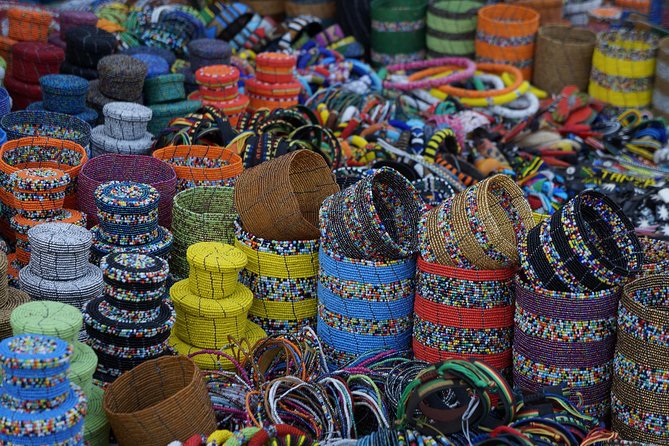
I see this experience as two tours joined together. The first half helps you shop without guessing at quality or prices. The second gives you a short introduction to Nairobi and Kenyan culture.
That mix matters. A shopping-only outing can feel like a string of stores, while a city-only tour may leave you without time to buy the gifts you came for. Here, you can learn how local crafts are made, compare several types of merchandise, and still get a basic sense of Nairobi before returning to your hotel.
The tour is private, so you are not tied to the pace of a large bus group. You can spend longer at a place that interests you, ask for help finding a particular gift, or shorten a stop if you have already finished shopping. The guide can also help you decide what is worth buying and what may not travel well.
The published price is $70 per person. That is a fair value if you want hotel pickup, private transport, a guide, and help across several shopping areas. It is less attractive if you already know Nairobi well, enjoy bargaining alone, and plan to visit only one market.
Remember that the price does not include food, drinks, or the cost of souvenirs. Souvenir photos are also extra. Bring room in your luggage and a clear idea of what you want, such as beads, carved wood, leather goods, textiles, or small gifts.
More history walks around Nairobi:
- Nairobi: Historic and Modern Highlights Walking Tour
★ 4.8 · 703 reviews - Nairobi Historical Walking City Tour
★ 5.0 · 258 reviews - Nairobi Walking tour:Explore History Culture and Traditions
★ 4.8 · 222 reviews
Kazuri Beads, where clay becomes a livelihood
Kazuri Beads is the most distinctive stop because you do more than browse shelves. The workshop takes you through the process from clay to finished jewelry and pottery.
The work is connected to a women’s empowerment project. Women from different parts of Kenya benefit from the operation, and the visit gives you a direct look at the people and skills behind the products. I find that more satisfying than buying a generic item with no sense of who made it.
Plan on about an hour here. You can expect an explanation of the craft process, a chance to see the makers at work, and time to shop for finished pieces. Beads and small jewelry are easy to pack, while larger pottery items require more care.
This is also a good stop if you are unsure what makes a Kenyan craft worth buying. The guide can explain the difference between a handmade item and a mass-produced souvenir, then help with translation if you have questions.
The shop is not a bargain market. You are paying for the work, the organized production, and the social purpose behind the project. If your priority is the lowest possible price, the Maasai Market may suit you better. If you want a polished gift with a clear connection to local makers, Kazuri is the better choice.
Utamaduni Craft Centre in Karen and Langata
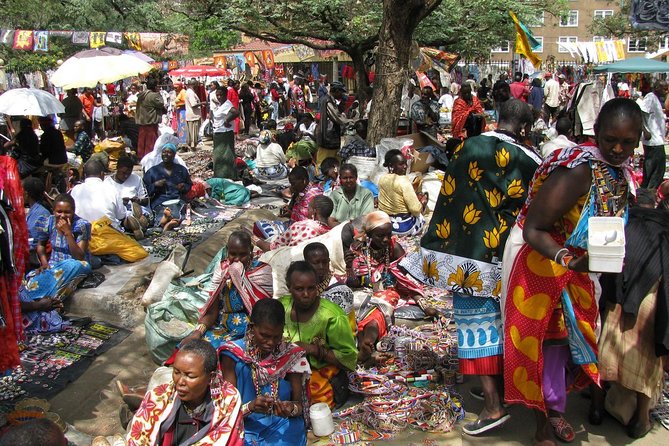
Utamaduni occupies a converted Kikuyu house and contains 18 separate shops. That layout gives you a broad selection without sending you across Nairobi to find different kinds of crafts.
You might find African art, antiques, carved objects, household pieces, jewelry, and other handmade goods. Staff can help pack purchases and arrange shipping if needed, which is useful if you find something too large or fragile for your suitcase.
The setting is part of the appeal. After shopping, you can stop at the garden restaurant for refreshments. The gardens also attract many birds, giving you a quieter pause after the sales talk and traffic.
Allow about an hour, though serious shoppers may want more. Utamaduni is the kind of place where you can spot a gift for someone at home, then find yourself considering a larger piece for your own house. Set a budget before you enter.
One practical point: a wide selection does not mean every item will appeal to you. If you prefer a focused visit with a clear story, Kazuri may feel more rewarding. Utamaduni is better for comparison shopping and for browsing several styles in one place.
Its location in the Karen and Langata area also fits well with other Nairobi attractions, including the former home associated with writer Karen Blixen, the giraffe center, and the elephant orphanage. Those attractions are not included in this tour, so do not assume the shopping outing covers them.
Golden Eagle Art Gallery and the craft of wood carving
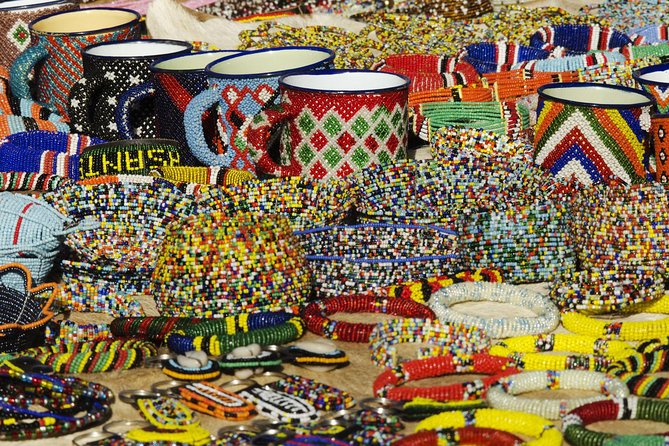
The Golden Eagle Art Gallery adds a different material to the day. Here, you can see men working on wood carving and browse a selection of carved crafts.
This stop helps you understand the time and handwork behind wooden souvenirs. A carving may look simple on a shelf, but watching the process gives you a better basis for judging the finish, shape, and price.
It is listed as an hour-long visit, though the exact time can depend on your interest. If you want carved animals, figures, masks, or decorative objects, this is a useful stop. Ask the guide to help explain the kind of wood and the practical issues of carrying the piece home.
The main limitation is that the shopping focus may not suit everyone. If you are mainly searching for jewelry or textiles, an hour at a wood-carving center may feel long. Tell your guide what you want at pickup so the route can be adjusted where possible.
More market and craft shopping in Nairobi:
- Traditional Kenyan Cooking Class & Local Market Tour
★ 5.0 · 129 reviews - Memorable Daily KIBERA Slums/Toi Market Tour with Locals (2 hours)
★ 5.0 · 29 reviews - Nairobi Cultural Shopping Experience
★ 5.0 · 21 reviews - Half-Day Nairobi National Park and Maasai Market with Pick up
★ 5.0 · 16 reviews
The Maasai Market changes location through the week
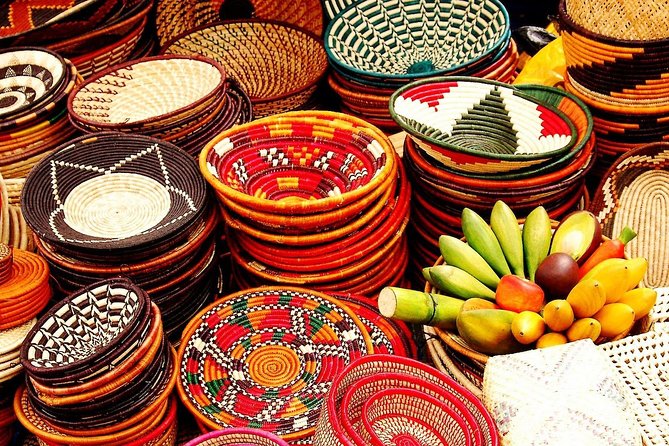
The Maasai Market is the most informal and energetic shopping stop. It operates at different locations on different days, generally from 8 a.m. to 6 p.m. The market schedule provided for the tour is:
- Tuesday: Westgate Shopping Mall, upper car park, with a stated relocation to Kijabe Street opposite the Norfolk Hotel
- Wednesday: Capital Centre on Mombasa Road near the airport
- Thursday: Nakumatt Junction Shopping Mall on Ngong Road
- Friday: Village Market in Gigiri, upper car park
- Saturday: High Court parking lot in the city center, behind the Hilton
- Sunday: Yaya Centre in Hurlingham
Because the market moves, your shopping experience depends on the day. Confirm the location before setting out, especially if your pickup is early or your hotel is far from the market site.
This is where bargaining becomes part of the experience. The selection can include jewelry, carvings, fabrics, baskets, and other gifts. Prices may be flexible, but the first price is not always the final price. Your guide can explain the buying process, help with translation, and offer a second opinion if you are unsure.
The market can also be hectic. One person may enjoy the noise, choice, and chance of finding a deal. Another may prefer the clean, orderly setting of a dedicated craft shop. I would save the Maasai Market for the end of your shopping list, once you have seen prices and quality at the other stops.
Do not treat every item as an authentic object from a particular Maasai maker or Kenyan community without asking questions. The guide’s help is especially useful here. You can ask where an item was made, what it is made from, and whether the price is reasonable before handing over cash.
The Nairobi history walk adds useful context

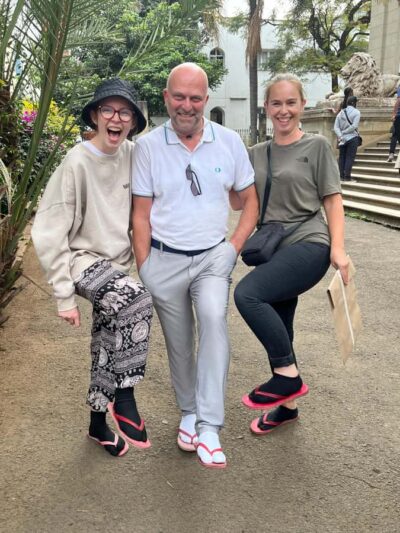
The final city portion is described as a brief walk and historical tour of Nairobi, with discussion of Kenyan cultures and values. This is not a full museum visit or a detailed city course. Think of it as an orientation that helps connect the crafts to the wider country.
Some outings have also included a view over the Nairobi skyline from the convention center. Since the detailed schedule describes a city walk rather than guaranteeing a rooftop visit, ask your guide what is planned for your date if the view is important to you.
The city segment gives the day a better shape. Instead of leaving Nairobi with only shopping bags, you get a little context about the capital and the cultures represented in its craft work.
Guides such as Tim, Obed, and Mwose have been praised for explaining Nairobi clearly and answering questions in English. Mwose, in particular, was noted for giving a useful introduction to local pricing practices and using the available time well. That kind of explanation can be as valuable as the shopping itself.
If your priority is a more detailed cultural education, this tour may feel brief. One guest specifically wanted a stronger cultural focus. You can improve the experience by telling the guide at the start that you want history and culture, not only shopping.
What the private guide changes
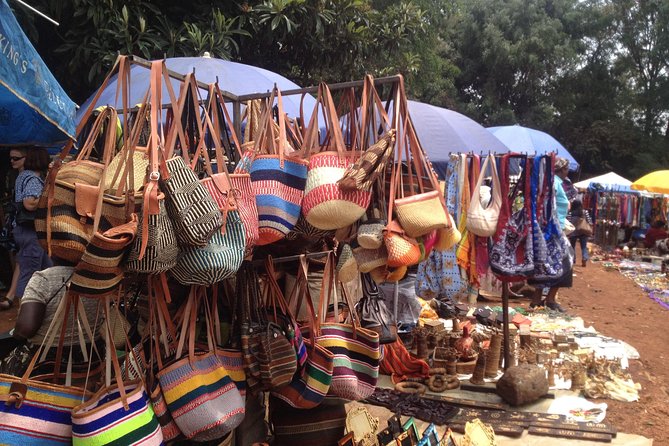
The guide is the practical reason to choose this tour instead of arranging several shopping stops on your own.
First, you have transport from your hotel and back. Nairobi traffic can make a short distance take much longer than expected, and moving between Karen, Langata, the city center, and other market locations is easier when someone else handles the driving.
Second, the guide can help with communication. English is used widely in Nairobi, but a guide can still make buying easier by explaining local expressions, asking about an item’s origin, and helping you compare prices.
Third, you do not have to carry everything from the first shop through the rest of the day. The tour description specifically notes help with heavy purchases. That is a small service, but it matters if you buy pottery, wood, or several bags of crafts.
The best guides also leave room for your interests. Tim has been described as well informed and not pushy, while Obed was praised for being attentive and answering questions. A private setting makes it easier to ask for a change of pace.
There is one service risk to keep in mind. One pickup was delayed by an hour, and another late start came from confusion between two hotels with the same brand. Confirm the exact hotel name, address, and pickup time in advance. If you have a flight or another booked activity afterward, leave a generous buffer.
Timing, comfort, and who should book
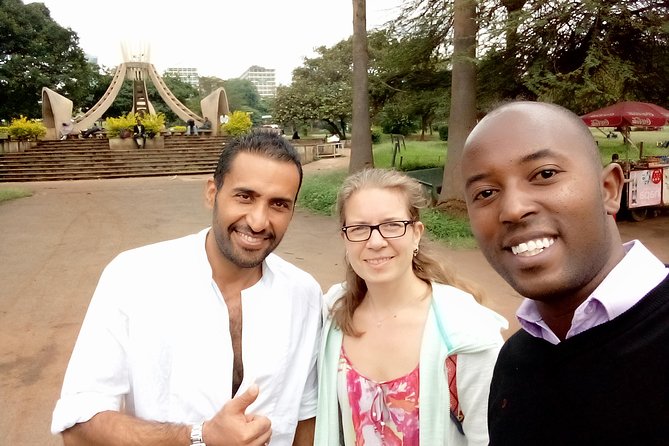
The stated duration is four to six hours. The difference between four and six hours is significant in Nairobi, where traffic, market location, and shopping decisions can stretch the day.
The tour suits you best if you:
- Want several types of Kenyan crafts in one outing
- Prefer private transport to navigating Nairobi alone
- Need help with prices, translation, or carrying purchases
- Are visiting Nairobi before a safari and want to buy gifts early
- Want a short city introduction alongside shopping
- Prefer a guide who can adjust the route to your interests
It may not suit you if you dislike shopping, want a long historical tour, or prefer to spend the day at one carefully chosen cultural site. It is also not a fixed museum-style program. The exact order and amount of time at each stop can change.
Wear comfortable clothes and shoes suitable for getting in and out of the vehicle and walking through shops or a market. Keep your shopping list short enough to use. A guide can help, but the quality of the day improves when you know what you want to find.
The tour is private, and most people can participate. Children must be accompanied by an adult. Pickup and drop-off are included, while meals and drinks are not.
You can cancel for a full refund if you do so at least 24 hours before the local start time. Changes made inside that 24-hour window are not accepted, so check your schedule before booking.
Is the $70 price fair?
For one person, $70 is not the cost of the souvenirs themselves. It pays for a private vehicle, hotel transfers, a guide, several stops, shopping help, and the ability to shape the outing around your needs.
That is good value for a solo visitor or small group that wants support. A larger private group may also benefit from the group discount option, though the exact discount is not stated. If you are already staying near one market and feel comfortable negotiating, you could spend less by shopping independently.
The strongest value comes from the combination of Kazuri, Utamaduni, Golden Eagle, the Maasai Market, and the city walk. You get different shopping environments in one half-day, from organized social enterprise to open-air bargaining.
The price is less compelling if traffic leaves you with only short visits. Confirm your pickup details and ask which stops are included on your date. That simple check can prevent a mismatch between your expectations and the actual route.
Should you book this Nairobi shopping tour?
I would book it if you want Kenyan gifts but do not want to guess your way through Nairobi’s shops and markets. Kazuri Beads is the strongest reason to go, and the private guide makes the rest of the shopping easier and less tiring.
Choose it before a safari if you want to buy gifts while you still have space in your luggage. Ask for a culture-focused route if the history walk matters as much as the shopping, and confirm whether a skyline viewpoint is part of your plan.
Skip it if your main goal is a detailed historical tour or a full day at one attraction. For convenient shopping, practical advice, and a useful introduction to Nairobi, this is a well-priced half-day choice, provided you allow extra time for traffic and verify the hotel pickup details.
FAQ
How long does the Nairobi shopping and historical tour last?
The tour lasts approximately four to six hours.
What is included in the price?
The price includes a driver-guide, hotel pickup, and hotel drop-off.
Is this a private tour?
Yes. Only your group participates in the private activity.
Which shopping stops are included?
The planned stops may include Kazuri Beads Factory, Utamaduni Craft Centre, Golden Eagle Art Gallery, and the Maasai Market, along with a brief Nairobi historical walk.
Where is the Maasai Market held?
The market changes location by day. Locations listed include Westgate or Kijabe Street on Tuesday, Capital Centre on Wednesday, Nakumatt Junction on Thursday, Village Market on Friday, the High Court parking lot on Saturday, and Yaya Centre on Sunday.
Are food and drinks included?
No. Food and drinks are not included. Refreshments may be available at the garden restaurant at Utamaduni Craft Centre.
Can I cancel for a full refund?
Yes, if you cancel at least 24 hours before the experience start time. Cancellations made less than 24 hours in advance are not refunded.
More Half-Day Tours in Nairobi
- Nairobi National Park Half-Day Tour; Free Wi-Fi connection
★ 5.0 · 878 reviews - Nairobi National Park Half-Day Game Drive
★ 4.5 · 738 reviews - Half-Day Nairobi National Park Safari from Nairobi with Free Pickup
★ 4.5 · 264 reviews - Nairobi National Park Full or Half-Day Tour with Guide
★ 4.7 · 217 reviews
Just added around Nairobi
- Visit kibera Slum the chocolate city★ 4.8 · 3 reviews
- Day Tour to Nairobi national park, Elephants, and Giraffe Center★ 3.5 · 8 reviews
- Explore local Market matatu ride & Make Kenyan Cuisines with a home cook★ 5.0 · 8 reviews
- Kibera Slum Tour with a Local★ 5.0 · 15 reviews
- Urban Forest Tour in Nairobi★ 5.0 · 7 reviews
- Vegans special safari★ 4.5 · 4 reviews
- Private Mini Safari Tour in Nairobi★ 5.0 · 6 reviews
- Private Kenyan Cooking Class in Nairobi with a Local★ 5.0 · 3 reviews
Historical Tours, compared.
Nairobi: Historic and Modern Highlights Walking Tour
Read our review →

Nairobi Walking tour:Explore History Culture and Traditions
Read our review →

Nairobi Cultural and Historical City Tour with a Local
Read our review →
Half-Day Cultural Tour to Bomas of Kenya in Nairobi
Read our review →
Browse the lists this tour appears in