
Reviewed · COOKING CLASSES
Malindi : Kenyan Cooking Class with Campfire Meal
Cooking Kenyan food over a campfire at Mida Creek Nature Camp gives you more than a meal. You help prepare it from the start, using local ingredients, simple tools, and recipes tied to everyday life on the coast. Harrison’s patient teaching and his family’s warm welcome are central to the experience.
I like the small group limit of 10, which leaves room for questions and requests. I also like the choice between lunch and dinner, plus the option to eat together or take your food home. The main drawback is that the class is not suitable for people with food allergies, even though you are asked to contact the provider about allergies and intolerances before booking.
Key points to know before booking
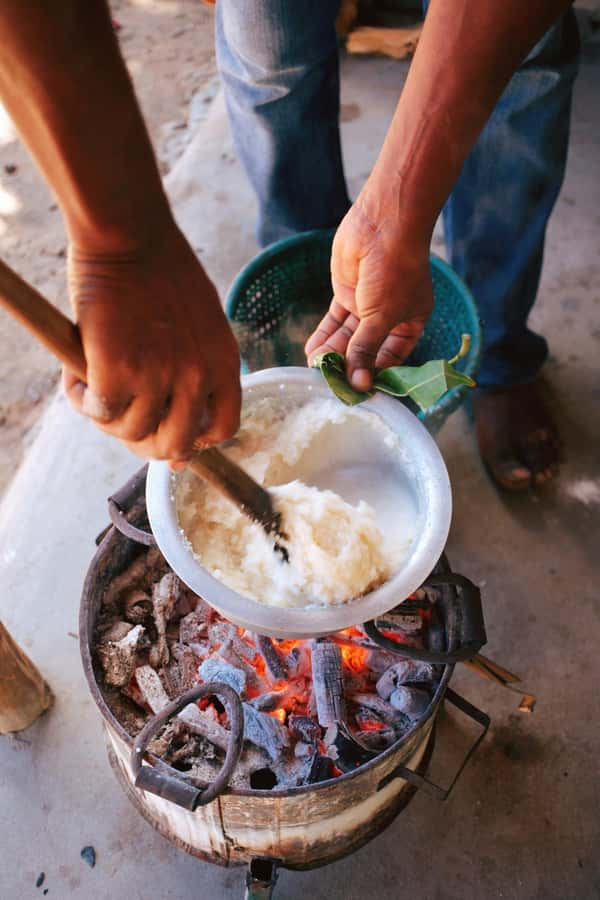
- Cook over a real campfire: Traditional methods and tools give the class a practical, hands-on feel.
- Meet Harrison and his family: Harrison explains the dishes carefully and shares his culture with clear enthusiasm.
- Expect changing recipes: Possible dishes include Kenyan pilau, ugali, wali wa nazi, githeri, sukuma wiki, and mandazi.
- Choose lunch or dinner: The group agrees on a suitable time, with cooking beginning a couple of hours before the meal.
- Small groups keep it personal: No more than 10 people can join, so you can ask questions and request dishes.
- $25 covers the essentials: The price includes the class, ingredients, and the meal.
Why this campfire class feels different
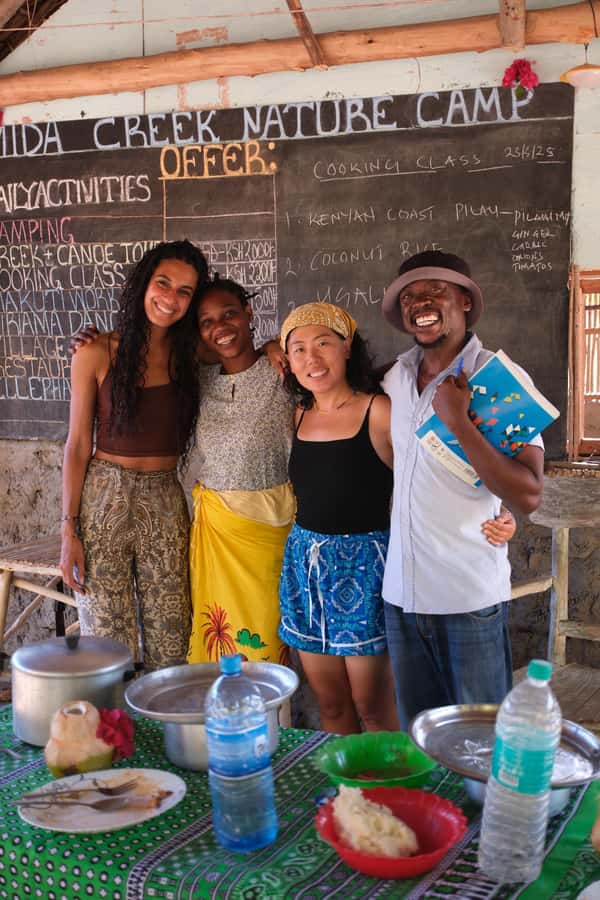
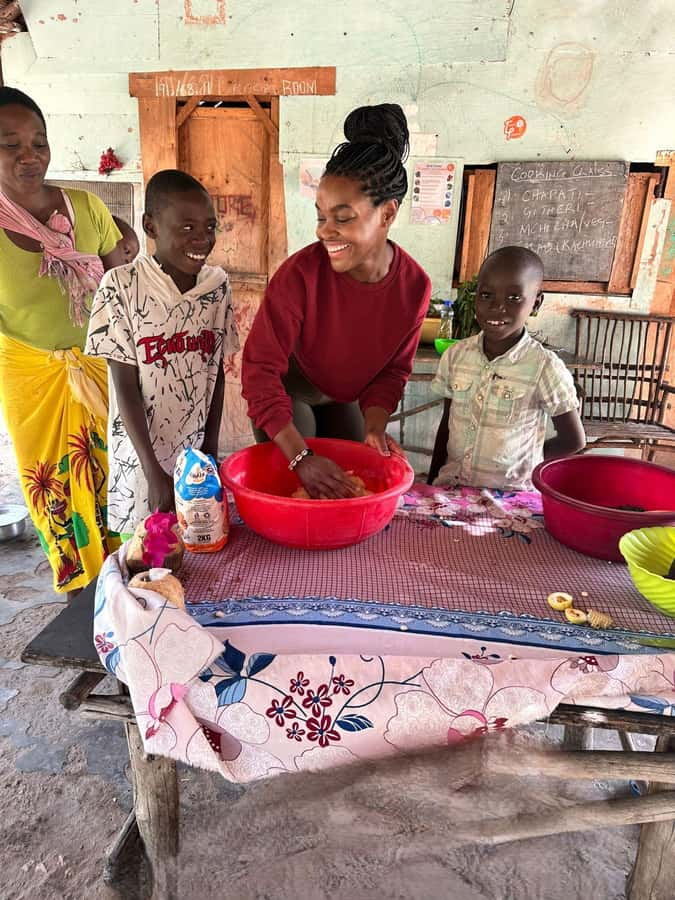
Many cooking classes place you in a polished kitchen with neat workstations and carefully measured ingredients. This one takes place at Mida Creek Nature Camp, in a leafy, sandy setting just off the main road. You cook outside, close to nature, and use a campfire rather than a modern cooking range.
That setting matters. Kenyan food is often tied to the pace of home cooking, village life, family gatherings, and available local produce. Here, the fire, tools, and ingredients are part of the lesson. I would choose this class if you want to understand how a dish comes together, not simply watch someone prepare it and then sit down to eat.
The camp also gives you a chance to slow down. The class lasts two hours, but you should think of it as a relaxed social activity rather than a tightly timed demonstration. Depending on the group’s preference, you can attend around lunchtime or in the evening.
More Kenyan cooking classes:
- Traditional Kenyan Cooking Class & Local Market Tour
★ 5.0 · 129 reviews - Authentic Kenyan Cooking Class & Market Tour in Nairobi
★ 5.0 · 12 reviews - Private Traditional Kenyan Cooking Class with Lunch in Nairobi
★ 5.0 · 10 reviews
Meeting Harrison and getting started
Harrison leads the cooking class in English. His teaching style is a major part of the appeal. He explains the steps carefully, takes his time, and enjoys sharing the food and customs of his community. That is useful if you are not confident in the kitchen, since you can ask questions rather than trying to follow a rushed demonstration.
The exact dishes change from one class to another. You can also contact the provider before the activity to request a particular Kenyan dish. I would do this early if you are especially interested in pilau, nyama choma, matoke, or another recipe from the menu.
The meeting point is Mida Creek Nature Camp. Directions are provided through Google Maps, so check the location before setting out. The information available does not include hotel pickup, private transport, or a detailed transfer service. Plan to reach the camp on your own and allow enough time to find the entrance.
Wear comfortable clothes. Cooking beside a fire can be warm and messy, so practical clothing is a better choice than anything delicate or formal. Pets are not allowed.
Preparing a Kenyan meal from the ground up
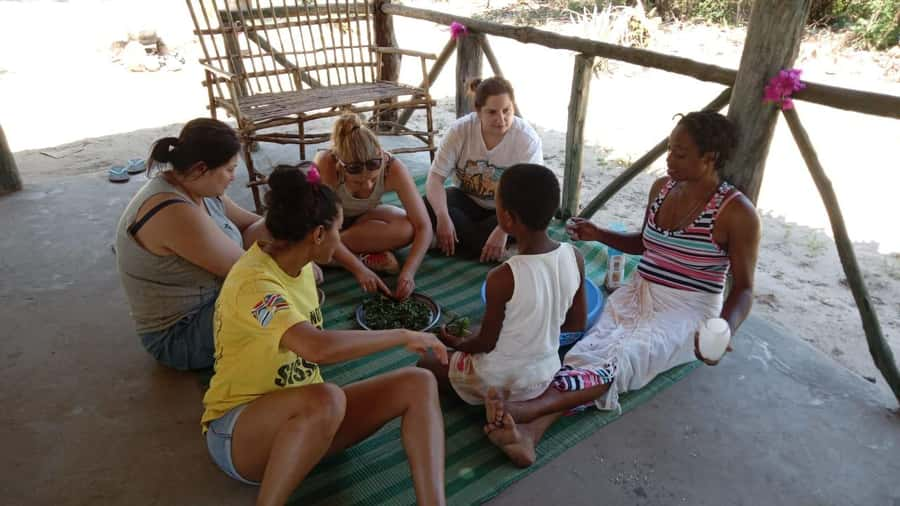
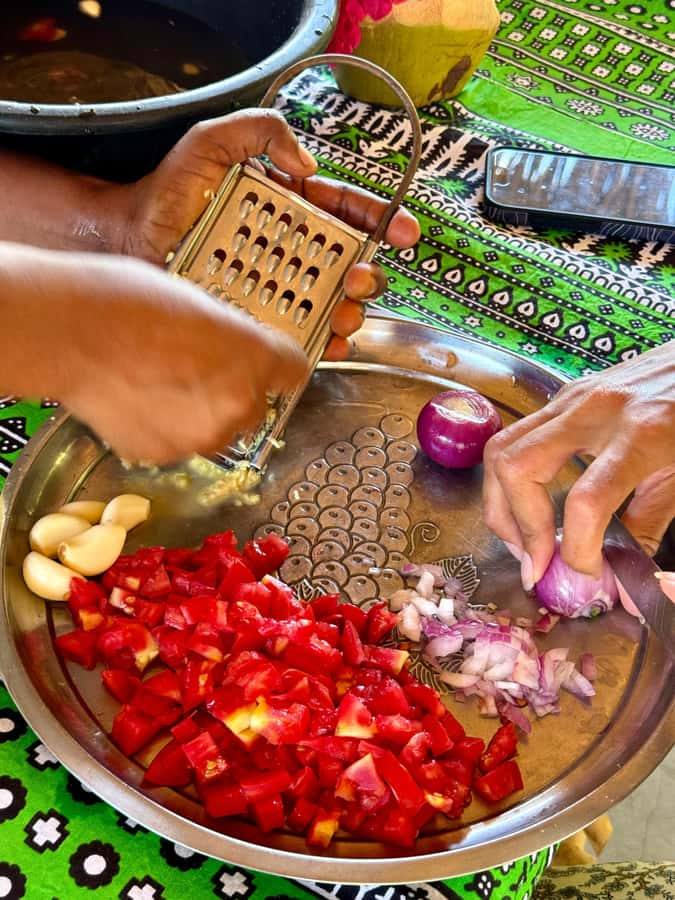
The class begins with the ingredients and preparation. The aim is to use homegrown produce where possible, then visit a small shop at the camp for anything still needed. That makes the class feel connected to the local setting instead of being a staged cooking show with ingredients brought in from elsewhere.
You may work on several dishes during the session. The possible recipes cover a broad range of Kenyan cooking:
- Ugali: A firm maize-based staple often served with vegetables, stew, or grilled meat.
- Githeri: A filling combination of maize and beans.
- Kenyan pilau: Spiced rice with a strong place in Kenyan coastal cooking.
- Wali wa nazi: Rice prepared with coconut.
- Sukuma wiki and mchicha: Leafy vegetable dishes that bring balance to a meal.
- Kenyan stew: A practical, hearty dish that pairs well with staples.
- Nyama choma: Grilled meat prepared over heat.
- Matoke: A banana-based dish found in East African cooking.
- Mandazi: A lightly sweet fried bread.
- Grilled maize: A simple campfire favorite.
You should not expect to cook every item on this list in one visit. The menu changes, and the class is open to requests. One recent session produced seven dishes in less than two hours, which gives you an idea of the pace when the group works together.
That variety is one of the best reasons to book. You are not limited to a single recipe, and you can see how a Kenyan meal combines a staple, vegetables, a main dish, and something sweet or grilled. The tradeoff is that two hours can pass quickly. If you want detailed instruction on every dish, you may need to focus on a smaller number of recipes or ask the provider what the planned menu will be.
Cooking with fire and traditional tools
The campfire is not just decoration. It shapes the cooking process and gives the class a direct link to older household methods. Heat may be less even than on a modern stove, and the pace can be less predictable. That is part of the lesson, but it also means the class may feel more rustic than polished.
I like this aspect for travelers who want a practical look at daily food preparation. You get to notice how ingredients are handled, how heat is judged, and how several dishes are coordinated. The cooking becomes a shared task rather than a performance.
It is also worth keeping expectations realistic. This is not presented as a professional chef course. You are learning authentic Kenyan recipes in a nature camp, with an English-speaking local instructor and a small group. The value comes from access, context, and participation.
A few more Malindi & Watamu trips worth comparing
- Diani Beach: Glass Boat Cruise to Robinson Island
★ 4.6 · 69 reviews - Safari Kenya with Patrick
★ 4.0 · 45 reviews - Watamu Marine Park & Sudi Island Mangrove Forest Canoe Ride.With sea food lunch
★ 4.5 · 31 reviews - Safari blue
★ 4.5 · 27 reviews
Sitting down to eat what you prepared
When the food is ready, you can eat with the group or take your creations home. Sharing the meal makes the activity more social and lets you taste the finished dishes while the cooking is still fresh in your mind.
I would choose the shared meal if you want the full experience. Food tastes different when you have helped prepare it, especially after working around a fire with other people. Eating together also gives Harrison and his family more time to talk with you about the dishes and local life.
Taking the food home may suit you better if you have other plans, are staying nearby, or prefer a quieter meal later. The information does not promise special packaging or transport arrangements, so ask the provider about practical details if you plan to take everything away.
The setting adds to the meal. Mida Creek Nature Camp is described as a leafy, sandy place where you can relax away from the main road. The camp also has tents and treehouses, though accommodation is not included in the cooking class. The family organizes other small activities in the area, including village, mangrove, and workshop visits. Those are separate experiences, not part of the two-hour cooking session, but you may want to ask about them if you have extra time.
What the $25 price really covers
At $25 per person, the class is priced as an affordable cultural activity rather than a luxury food tour. The fee includes the cooking instruction, ingredients, and the meal. You are not paying only for a plate of food. You are paying for two hours of participation, local guidance, and access to a family-run camp setting.
The value is strongest if you take part fully. Ask questions, help with more than one dish, and request a recipe you genuinely want to learn. If you simply watch and leave quickly, you will get less for your money.
The group limit also helps. With a maximum of 10 participants, the class should be easier to follow than a large demonstration. You can speak directly with Harrison and clarify a technique before moving on. The available rating is five out of five from three verified bookings, with particular praise for Harrison’s patient explanations, simple ingredients, family atmosphere, and strong value for money. That is a small sample, so I would treat it as encouraging rather than definitive, but the praise points to the experience’s clearest strengths.
Timing, food requests, and allergies
You can choose lunch or dinner, depending on the group’s preference. Cooking begins a couple of hours before the meal, so confirm the starting time when you check availability. The activity itself is listed as two hours, though you may want to allow a little flexibility if you plan to sit and eat with the group.
Contact the provider before the class if you have allergies or food intolerances. You can also use that message to request a special dish. However, the activity is specifically marked as unsuitable for people with food allergies. I would not assume that a requested change can prevent cross-contact or make the meal safe.
This is an important distinction. A food preference or a request for a different recipe may be manageable. A serious allergy needs a clear safety answer from the provider before you book, and the available information does not promise an allergy-safe kitchen.
Who will enjoy this experience most
I would recommend the class to food-focused visitors, curious home cooks, couples, families with older children, and anyone who prefers a local activity to a standard restaurant meal. It also suits people staying near Malindi who want a short activity that fits around beach time or other plans.
You do not need advanced cooking skills. The class is hands-on, but Harrison’s careful explanations should make it approachable for beginners. You should enjoy working with other people, though. The meal is built around cooperation, and the small group format means you will be sharing preparation space and tasks.
This may not be the right choice if you want a formal culinary school setting, a fixed menu, or a highly polished indoor kitchen. It is also a poor fit if you have a serious food allergy, dislike outdoor cooking, or need a firm timetable with no flexibility.
A few practical ways to get more from the class
Message the provider before you arrive. Tell them what dishes interest you, mention any dietary concerns, and ask which menu the group is likely to prepare. The class is open to requests, but planning ahead gives the instructor a better chance to include something you want to learn.
Choose the meal time that matches your energy. Lunch lets you continue your day afterward, while dinner gives the campfire setting more of an evening feel. Since the group agrees on the timing, do not assume the class will begin at a standard public tour hour.
Arrive in comfortable clothing and use Google Maps to check the route to Mida Creek Nature Camp. Since no pickup is listed, do not count on transport from your hotel.
Finally, keep some time after the class if you can. The camp offers a peaceful setting, and the family also organizes other local activities, including canoe trips to Green Island, mangrove visits, village tours, and workshops. These are not included, but the cooking class could be part of a longer visit to the camp.
Should you book the Mida Creek cooking class?
Book it if you want a low-cost, hands-on introduction to Kenyan food with a local family, changing recipes, and a real campfire setting. The strongest reasons are Harrison’s patient instruction, the small group size, the chance to request dishes, and the fact that ingredients and the meal are included for $25.
Skip it if you need a guaranteed menu, a professional kitchen, allergy-safe preparation, or a tightly scheduled activity. For everyone else, this is a practical way to connect food with place. You cook, eat, and leave with a better sense of how Kenyan dishes are made at home and in the community.
FAQ
Where does the Kenyan cooking class take place?
The class takes place at Mida Creek Nature Camp in Kenya’s Coast Province. Use Google Maps for directions to the meeting point.
How long does the cooking experience last?
The listed duration is two hours. Cooking begins a couple of hours before lunch or dinner, depending on the group’s chosen schedule.
How much does the class cost?
The price is $25 per person.
What is included in the price?
The price includes the cooking class, ingredients, and the meal.
Can I choose lunch or dinner?
Yes. The experience can be arranged for lunch or dinner, depending on the group’s preference and available starting times.
What dishes might I learn to cook?
Possible dishes include ugali, githeri, Kenyan pilau, wali wa nazi, sukuma wiki, mchicha, Kenyan stew, nyama choma, matoke, mandazi, and grilled maize. The menu changes, and you can make requests in advance.
Is the class taught in English?
Yes. The instructor language is English.
How many people can join?
The experience is a small-group activity limited to 10 participants.
Can I take the food home?
Yes. When the food is ready, you can either eat it with the group or take your creations home.
Can people with food allergies join?
The activity is listed as unsuitable for people with food allergies. You should contact the provider before booking about allergies or intolerances, but allergy-safe preparation is not promised.
Just added around Malindi & Watamu
- Watamu: Learn Kenyan Cusine with Jonathan★ 4.1 · 8 reviews
- WATAMU: MALINDI: SARDEGNA ISLAND & MALINDI MARINE PARK★ 4.5 · 9 reviews
- Watamu: Sunset Mangrove Canoe Tour with Coconut Drink★ 3.6 · 8 reviews
- Airport Transfers to Watamu and Malindi★ 3.5 · 3 reviews
- Tour Malindi & Robinson Island & Marafa Hell’s Kitchen★ 5.0 · 11 reviews
- Gede Ruins & Malindi Tour★ 5.0 · 5 reviews
- ROBINSON ISLAND/MARAFA HELL’s KITCHEN★ 5.0 · 15 reviews
- Magical Storytelling Swahili Dinner in the Bushbaby Treehouse★ 5.0 · 3 reviews
Cooking Classes, compared.

Traditional Kenyan Cooking Class & Local Market Tour
Read our review →
Authentic Kenyan Cooking Class & Market Tour in Nairobi
Read our review →
Private Traditional Kenyan Cooking Class with Lunch in Nairobi
Read our review →
Market Tour and Traditional Kenyan Cooking Class in Nairobi
Read our review →
Local Market Tour and Traditional Meal Cooking Class
Read our review →
Private Kenyan Cooking Class in Nairobi with a Local
Read our review →Browse the lists this tour appears in