
Reviewed · COOKING CLASSES
Local Market Tour and Traditional Meal Cooking Class
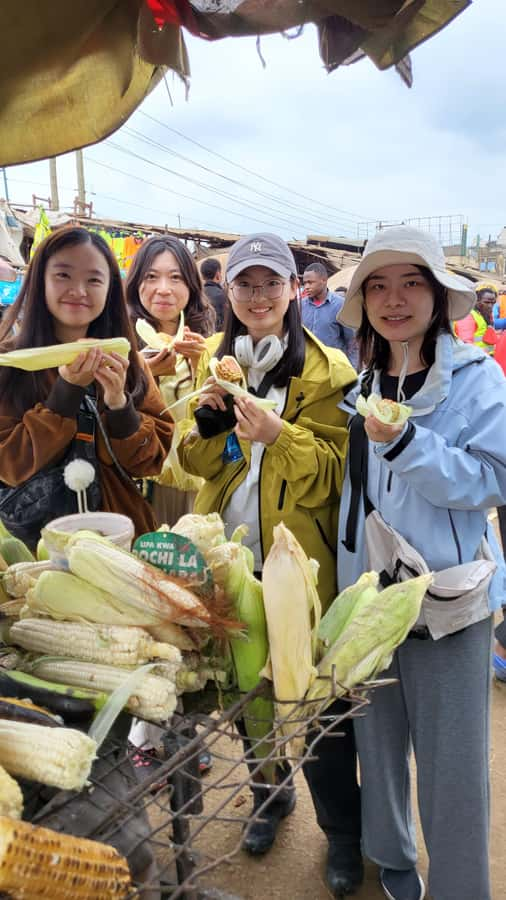
Nairobi’s everyday food culture comes into focus here: you shop for ingredients in a working local market, then carry them to a nearby home and cook with your guide. The market-to-kitchen format gives you more than a meal. It shows how food moves from stall to table. The optional matatu ride adds another useful piece of city life.
I like the small group size, limited to six, and the chance to cook with fresh local ingredients rather than simply sit down at a restaurant. I also like the personal setting. Gladys has led the experience with care and attention to safety, cooking, and presentation, while Ninoh is also named as a host. The main consideration is practical: the apartment is on the fourth floor with no lift, so the cooking portion requires a climb.
Key points to know before booking
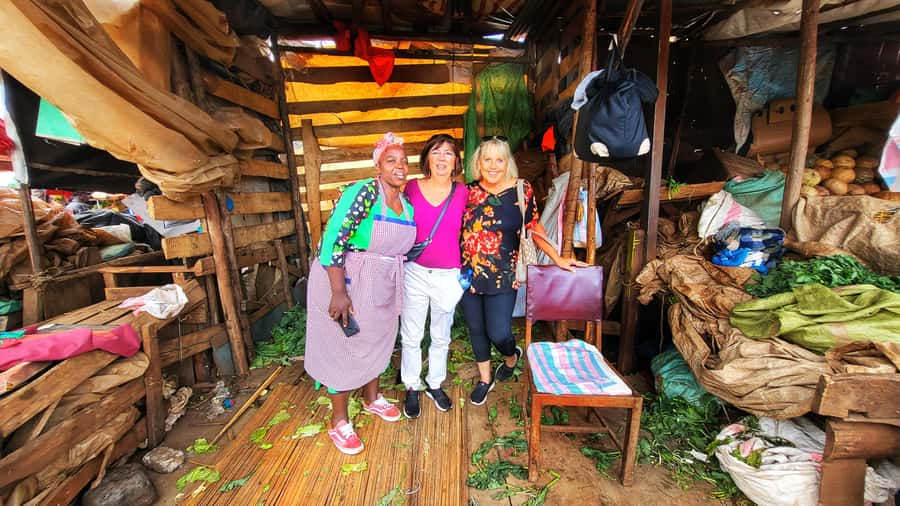
- Market first, kitchen second: You shop for ingredients at a genuine local farmers market before cooking the meal.
- Optional matatu ride: You can use public transport as part of the outing, adding a useful look at how Nairobi residents get around.
- Small groups of six: The format leaves room for questions and hands-on cooking.
- Fresh ingredients for varied diets: Meals can suit meat eaters, vegetarians, vegans, and pescatarians, with specific requests discussed in advance.
- A fourth-floor apartment: The home has no lift, so stairs are part of the cooking visit.
- Two daily start times: Choose a morning start at 11:30 a.m. or an afternoon start at 5 p.m.
Starting at Westlands Square

The meeting point is Westlands Square, at the Java café entrance. This is a sensible place to begin because it gives you a clear landmark in a busy part of Nairobi. Your guide waits there before taking you toward the market.
The activity lasts about three hours, so timing matters. The 11:30 a.m. start places the market visit and cooking session in the middle of the day. The 5 p.m. option shifts the outing toward an evening meal. Traffic can affect the short transfer from the market to the apartment, so you should keep your schedule loose after the tour.
Your guide speaks English and Swahili. That helps if you want to ask about food names, market customs, or daily life in Nairobi. This is not a formal lecture with a long list of dates and facts. The value comes from being able to ask questions as you walk, shop, prepare, and eat.
More Kenyan cooking classes:
- Traditional Kenyan Cooking Class & Local Market Tour
★ 5.0 · 129 reviews - Authentic Kenyan Cooking Class & Market Tour in Nairobi
★ 5.0 · 12 reviews - Private Traditional Kenyan Cooking Class with Lunch in Nairobi
★ 5.0 · 10 reviews
Shopping in a working Nairobi market
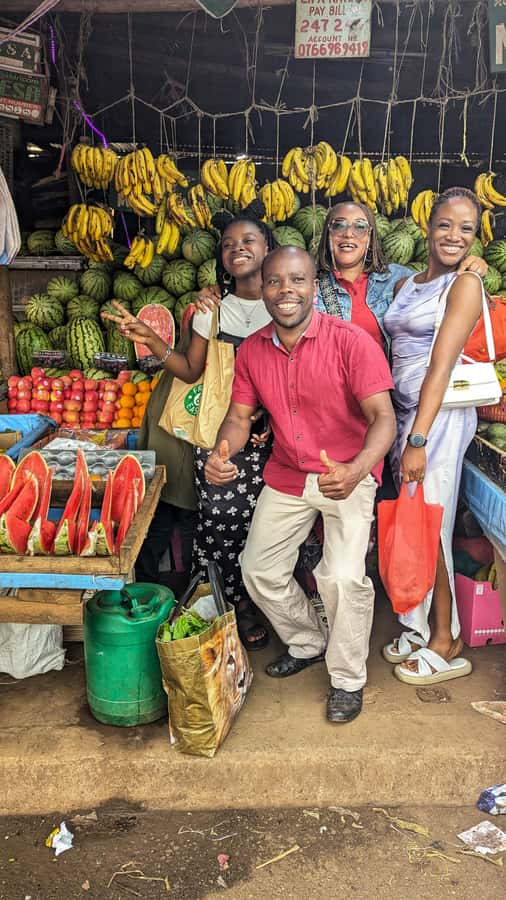
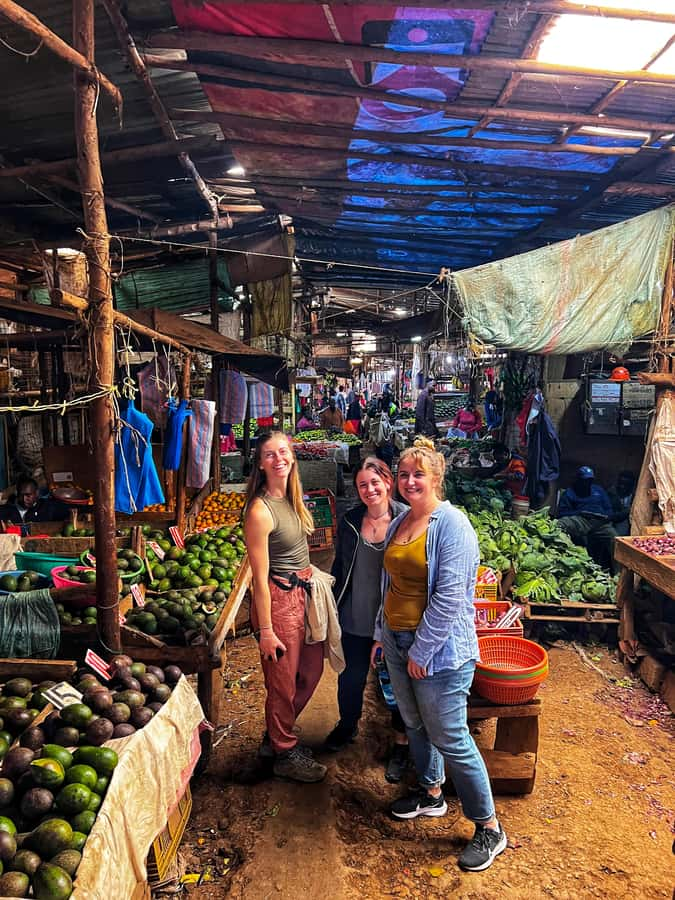
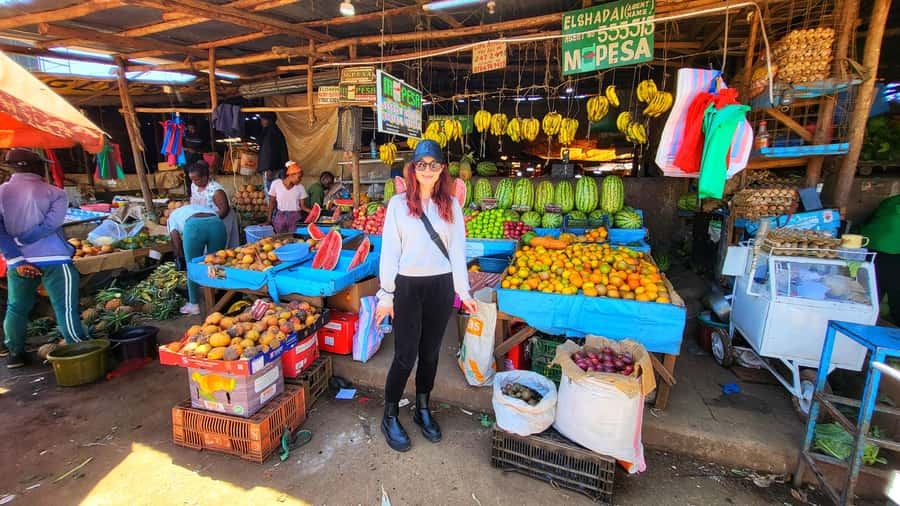
The market visit is the heart of the first half. You enter with your guide, look at the produce, and shop for the ingredients used in the cooking class. This turns the market into more than a sightseeing stop. You see the food before it reaches the kitchen, and you learn through direct choices rather than a display arranged for visitors.
A local market can also be a useful place to get your bearings with Kenyan food. You will have a chance to see fresh ingredients and learn how they are used in traditional meals. The exact items depend on the planned menu and what is available that day, so do not expect a fixed shopping list published in advance.
The market walk includes guided sightseeing and time to buy food. Wear closed, comfortable shoes. Market surfaces can be uneven, and the outing involves walking rather than simply standing at one stall. A light jacket and rain protection are wise during the rainy season.
The guide also helps you move through the market in a respectful way. That matters. You are not just passing through with a camera. You are buying food for a shared meal, and the market visit connects you with the people and routines behind that meal.
The optional matatu ride
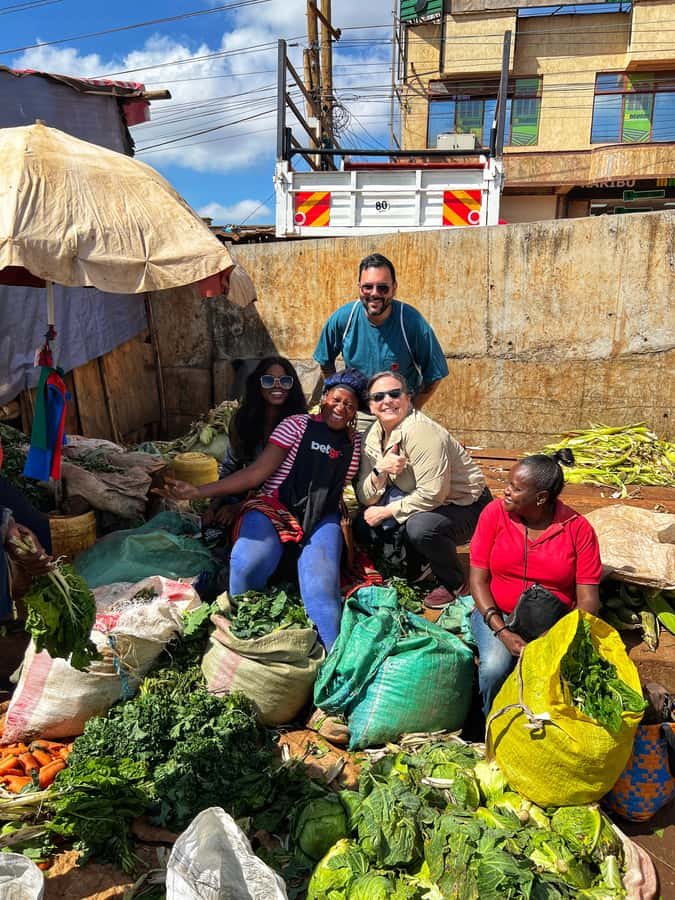
The experience includes an optional chance to ride a matatu, Nairobi’s public minibus transport. You can treat this as a small but meaningful part of the day. It gives you a look at ordinary city travel and adds movement to an outing that could otherwise be only a market walk and cooking lesson.
The matatu element is optional, so you can ask the guide how it fits your specific outing. The description also refers to moving like a local, which suggests that transport is part of the cultural point, not just a way to fill time. If you prefer a quieter transfer, confirm the plan before setting out.
The market is described as about 10 minutes from the host’s home, although traffic can change that. This is one reason not to plan a tight appointment immediately after the class. Nairobi traffic can turn a short route into a slower one.
From the market to a local home
After shopping, you head to the guide’s apartment, roughly 10 minutes away depending on traffic. The home is on the fourth floor and has a view, but there are stairs only. There is no lift.
That detail should guide your booking decision. The activity is marked as wheelchair accessible, but the apartment visit presents a clear access issue for anyone who cannot manage several flights of stairs. If accessibility is important for you, contact the provider before reserving and ask how the cooking portion can work in your case.
Once inside, you receive a refreshment and begin the cooking session. The apartment setting creates a more personal feel than a commercial cooking school. You are working in a real home, with a local host showing you how the meal is prepared and explaining the food along the way.
The host may be Gladys or Ninoh, both of whom are associated with this experience. Gladys has been praised for careful organization, safety, meal preparation, cooking, and presentation. Ninoh has also been described as bringing passion and useful insight to the market and kitchen portions. If a particular host matters to you, ask who is scheduled when you book.
More market and craft shopping in Nairobi:
- Nairobi souvenir Shopping and Historical Half day Tour
★ 5.0 · 61 reviews - Memorable Daily KIBERA Slums/Toi Market Tour with Locals (2 hours)
★ 5.0 · 29 reviews - Nairobi Cultural Shopping Experience
★ 5.0 · 21 reviews - Half-Day Nairobi National Park and Maasai Market with Pick up
★ 5.0 · 16 reviews
Cooking a traditional Kenyan meal
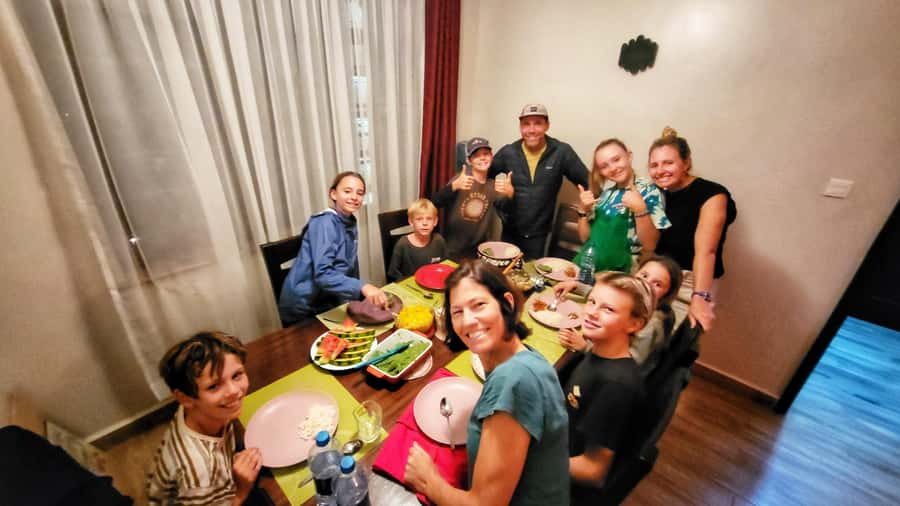
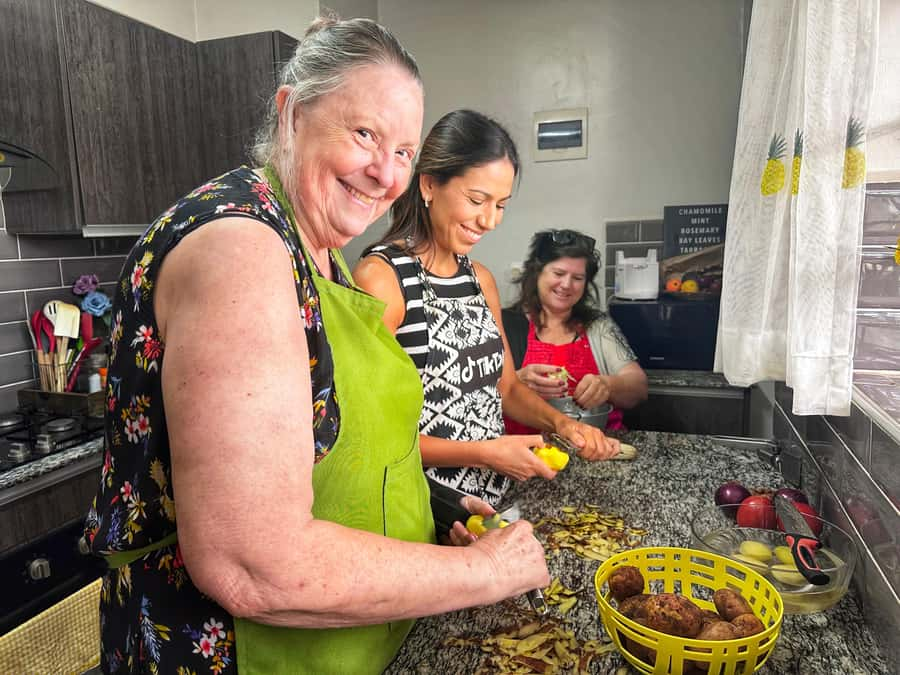
The cooking class is hands-on. You do not simply watch the guide prepare a plate while you wait. You work together with the ingredients purchased at the market, then sit down to eat what you have made.
That format makes the meal more memorable and more useful. You learn how the ingredients are handled, how the dish comes together, and how a traditional meal fits into everyday Kenyan life. You also have a natural chance to ask about food customs, household cooking, and local ingredients.
The exact menu is not specified, so contact the provider if you have a particular dish in mind. The experience says that the meals can suit meat eaters, vegetarians, vegans, and pescatarians. It also says the ingredients are fresh and organic local products. You should still state your dietary needs ahead of time, especially for allergies or strict restrictions.
The activity is not suitable for people with animal allergies. That point is easy to overlook, so take it seriously when deciding if this home-based meal is right for you.
Sharing the meal at home
After the cooking, you sample and eat the Kenyan food you prepared. This is where the market, the kitchen, and the conversation come together. You have seen the ingredients, handled them, and learned how they are used. The meal gives you time to relax and talk with your host.
The personal conversation is one of the strongest reasons to choose this outing. A restaurant can introduce you to Kenyan flavors, but it usually cannot explain how those foods connect to daily routines in Nairobi. Here, the host can answer questions in the same place where the food is prepared.
The small group limit helps. With no more than six participants, you should have a better chance to take part instead of waiting behind a large class. Couples and solo visitors can both fit the format, though people who prefer a private class should confirm the group arrangement before booking.
Wi-Fi and a clean washroom are available at the apartment. You can relax for a short time after the meal, then arrange your return. The guide can help request an Uber, but the ride back to your hotel is at your own cost. Hotel pickup and drop-off are not included.
What the $64 price covers
At $64 per person, this is priced as a compact cultural outing rather than a simple cooking lesson. You are paying for a market visit, the guide’s time, the food shopping, the cooking session, and the meal. The optional matatu element adds another part of Nairobi life without requiring you to arrange public transport on your own.
The value is strongest for you if you want personal contact and active participation. A visitor looking only for a cheap meal can find less expensive options elsewhere. This price makes more sense if you value the market stop, the local transport option, the small group, and the chance to cook in a home.
The three-hour duration is also useful. It is long enough to include both shopping and cooking, but short enough to fit into a day of sightseeing. Still, Nairobi traffic may affect the actual pace, and you should not treat the end time as exact.
Cancellation is flexible: you can cancel up to 24 hours ahead for a full refund. You can also reserve now and pay later, which helps if your Nairobi plans are still changing.
Clothing, stairs, and small practical details
Dress for walking and for entering a private home. Comfortable trousers or a long skirt are recommended, and crop tops and shorts are not appropriate for this activity. Flat closed shoes or sports shoes are the best choice.
Bring an umbrella or raincoat during the rainy season. A light jacket is also useful. The guide specifically encourages comfortable clothing because you will walk through the market and take part in cooking.
The apartment has stairs only. That is the most important practical detail. The market and transport parts may be manageable for many people with limited mobility, but the fourth-floor home visit requires you to climb stairs.
The meeting point is not your hotel, and the return ride is not included. Plan to reach Westlands Square independently, then budget for your own Uber or taxi afterward. The guide can help arrange the car from the apartment.
Who will enjoy this experience most
You should consider this outing if you like meeting local people, asking questions, and doing something with your hands. It suits couples, solo visitors, and small groups who want food culture tied to ordinary city life rather than a polished restaurant presentation.
It is also a good choice if you have only a short time in Nairobi. In three hours, you get a market walk, a transport option, a cooking class, and a shared meal. That is a lot of local context in one compact activity.
Food-focused visitors will get the most from it, especially those willing to try unfamiliar ingredients and participate in preparation. Vegetarians, vegans, pescatarians, and meat eaters can be accommodated, but you should send specific requests before the day of the tour.
You may want to choose another activity if you dislike stairs, need guaranteed step-free access, have animal allergies, or prefer a highly polished cooking school. This outing is personal and home-based, which is its strength, but also means the setting is simple.
Should you book the Nairobi market and cooking class?
Book it if you want to understand Nairobi through food, conversation, and ordinary routines. The best parts are the market shopping, the hands-on meal preparation, and the chance to spend time with a local host in a real home. The small group and optional matatu ride add useful value for a $64 activity.
Before paying, confirm the host, menu, dietary needs, transport plan, and stair access. If you are comfortable with those details, this is a thoughtful way to spend three hours in Nairobi. If you need a lift, hotel transfers, or a formal classroom setting, choose a different option.
FAQ
Where does the experience start?
Meet your guide at the entrance to the Java café at Westlands Square.
What time does the tour begin?
The experience starts at either 11:30 a.m. or 5 p.m. Check availability for the date you want.
How long does the activity last?
The activity lasts about three hours.
Is the matatu ride required?
No. The matatu ride is listed as an optional part of the experience.
What languages does the guide speak?
The live guide speaks English and Swahili.
Can the meal accommodate different diets?
Yes. The meal can suit meat eaters, vegetarians, vegans, and pescatarians. Contact the provider in advance for specific meal requests.
Is the apartment accessible by lift?
No. The apartment is on the fourth floor and the building has staircases only.
Just added around Nairobi
- Visit kibera Slum the chocolate city★ 4.8 · 3 reviews
- Day Tour to Nairobi national park, Elephants, and Giraffe Center★ 3.5 · 8 reviews
- Explore local Market matatu ride & Make Kenyan Cuisines with a home cook★ 5.0 · 8 reviews
- Kibera Slum Tour with a Local★ 5.0 · 15 reviews
- Urban Forest Tour in Nairobi★ 5.0 · 7 reviews
- Vegans special safari★ 4.5 · 4 reviews
- Private Mini Safari Tour in Nairobi★ 5.0 · 6 reviews
- Private Kenyan Cooking Class in Nairobi with a Local★ 5.0 · 3 reviews
Cooking Classes, compared.

Traditional Kenyan Cooking Class & Local Market Tour
Read our review →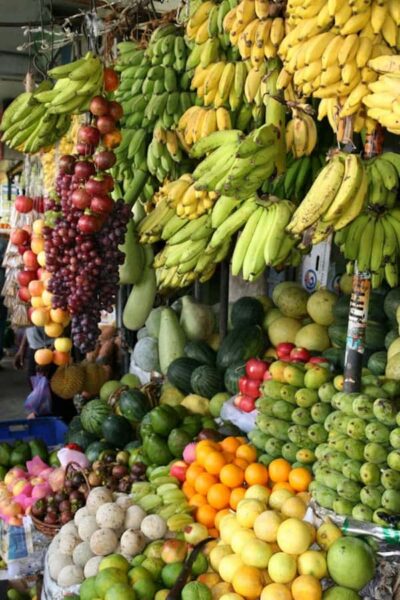
Authentic Kenyan Cooking Class & Market Tour in Nairobi
Read our review →
Private Traditional Kenyan Cooking Class with Lunch in Nairobi
Read our review →
Market Tour and Traditional Kenyan Cooking Class in Nairobi
Read our review →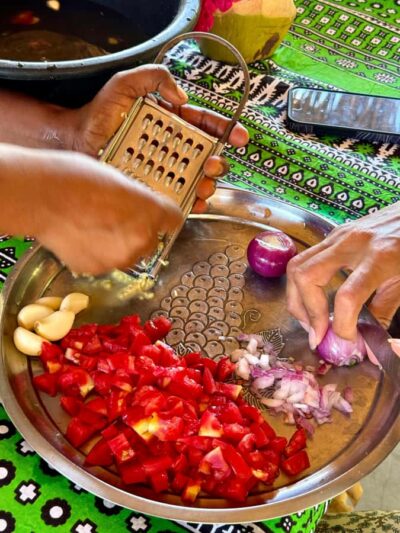
Private Kenyan Cooking Class in Nairobi with a Local
Read our review →Browse the lists this tour appears in