
Reviewed · COOKING CLASSES
Market Tour and Traditional Kenyan Cooking Class in Nairobi
The best part of this experience is the change of setting: you start by choosing food at a local Kenyan market, then carry those ingredients into a private home kitchen. That link between shopping and eating gives you a clearer feel for daily life than a cooking demonstration alone.
I like the personal format, with just your party and a host who can guide you closely. I also like the menu, especially ugali, chapati, pilau, and curry, which gives you a useful taste of both Kenyan and Indian influences in Nairobi cooking.
The main consideration is the kitchen space. It is small, so the host will handle much of the cooking while you help where possible. If you want a fully hands-on class with every guest preparing every dish, this may feel more like a home meal with guided participation.
Key points to know before booking
- The market comes first: You shop for the meal before going to the host’s home, so you see the ingredients in their everyday setting.
- Private four-hour format: Your party receives a more personal session than a large class, with English and Swahili available.
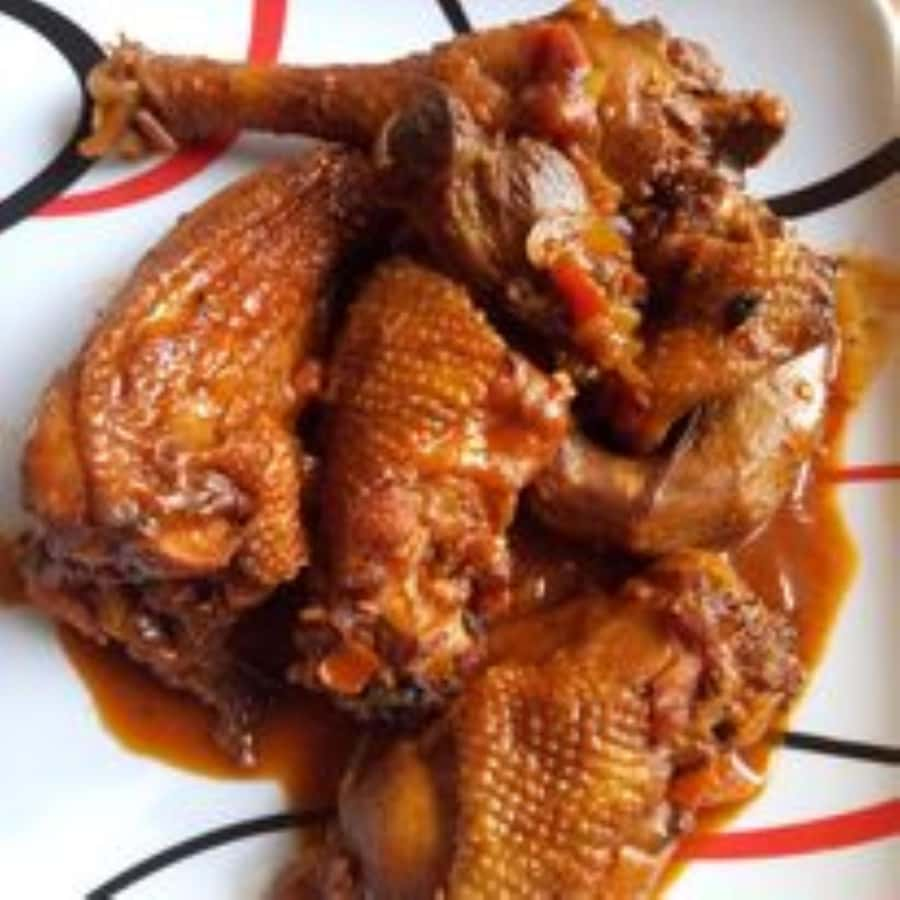
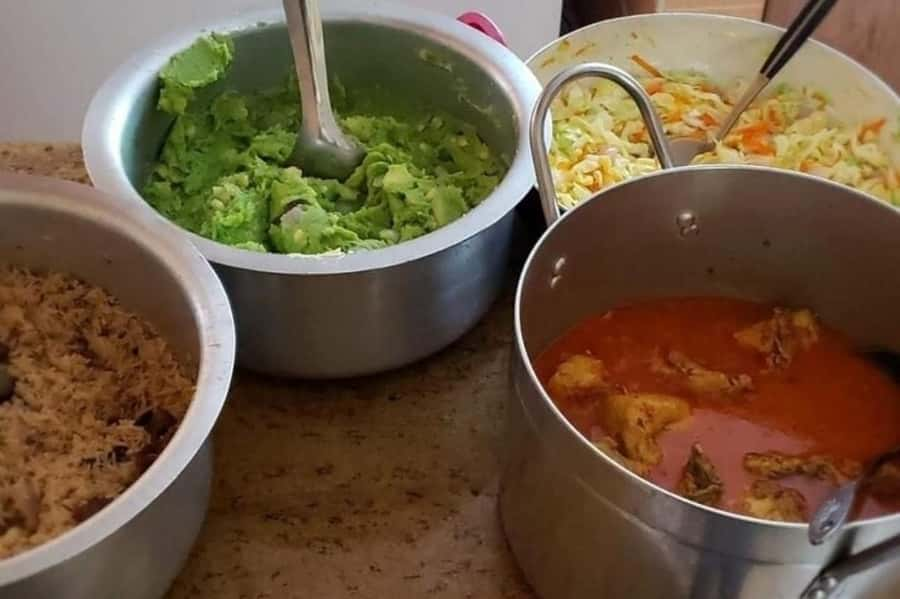
- Classic Kenyan dishes: Expect food such as ugali, chapati, pilau, and curries, with Kenyan and Indian influences.
- Small home kitchen: You can help prepare the meal, but the host does most of the cooking because of limited space.
- A meal is included: Food, fruit, soda, and water are covered in the $55 price.
- Meet at K Mall Komarock: Transport to and from the market is included, but any Uber fees are extra.
From K Mall Komarock to the market
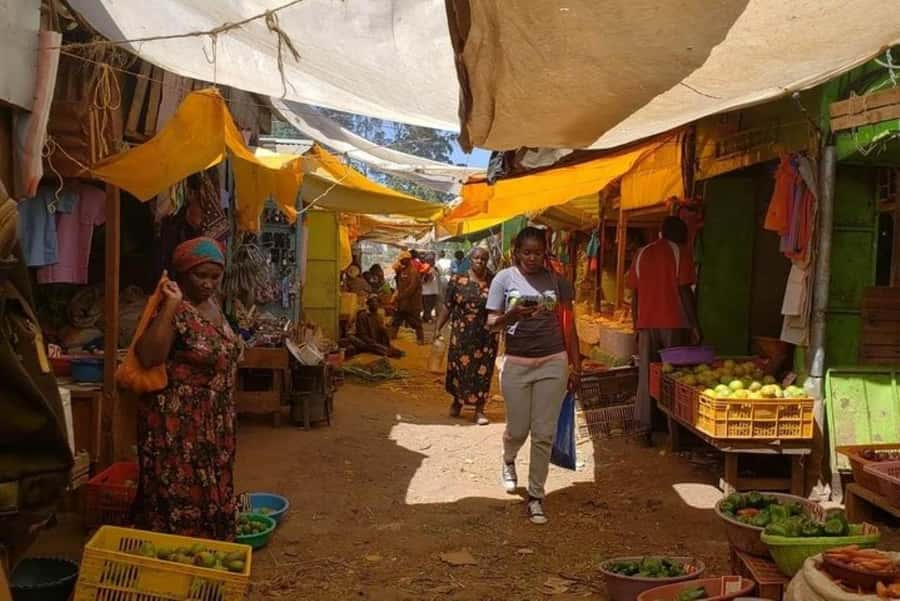
Your meeting point is the K Mall Komarock parking lot. From there, you proceed to a local market to buy the supplies for the meal. This is not simply a stop to look at food. The shopping gives the class a practical beginning, since you see the ingredients before they are cleaned, chopped, seasoned, and cooked.
I like this order. A cooking class can feel detached from daily life when all the ingredients are already measured and waiting on a counter. Here, you get a look at the buying stage first. You may see the produce and other supplies used in ordinary Kenyan home cooking, although the supplied details do not specify the market’s exact name or the full range of goods sold there.
The market portion also gives you a chance to ask questions about ingredients and food habits. The guide speaks English or Swahili, so you can choose the language that works best for your group. Since this is a private booking, you should have more room to focus on the foods that interest you instead of following a fixed lecture for a large crowd.
You should allow for a little sensory overload. Markets are active working places, not polished food halls, and the experience is intended to show market life as it is. Wear comfortable clothes and shoes, and keep your plans afterward flexible enough for the four-hour schedule.
More Kenyan cooking classes:
- Traditional Kenyan Cooking Class & Local Market Tour
★ 5.0 · 129 reviews - Authentic Kenyan Cooking Class & Market Tour in Nairobi
★ 5.0 · 12 reviews - Private Traditional Kenyan Cooking Class with Lunch in Nairobi
★ 5.0 · 10 reviews
Shopping for a Kenyan home meal
The ingredients purchased at the market become the bridge between Nairobi food culture and your own meal. The exact menu can include Kenyan and Indian-influenced dishes, with examples such as curry, ugali, and chapati. Pilau is also specifically associated with the meal, giving you another dish to expect.
Ugali is a firm cornmeal staple that is often served with other foods rather than treated as a standalone dish. Chapati is a flatbread prepared from dough, while pilau brings seasoned rice into the meal. Curries show the Indian influence found in parts of East African cooking. Together, these dishes give you a broader introduction than a class focused on just one recipe.
I would not book this expecting a printed, tightly fixed menu. The information describes examples rather than a guaranteed dish list. Ingredient availability and the host’s plan may shape what is prepared, so ask about the day’s menu if a particular dish matters to you.
The shopping stage is also useful if you are curious about how food choices change from one household to another. You are not just tasting a finished plate. You are seeing the raw materials that shape it, then watching them become lunch or dinner in a local home.
Cooking in a small Nairobi kitchen
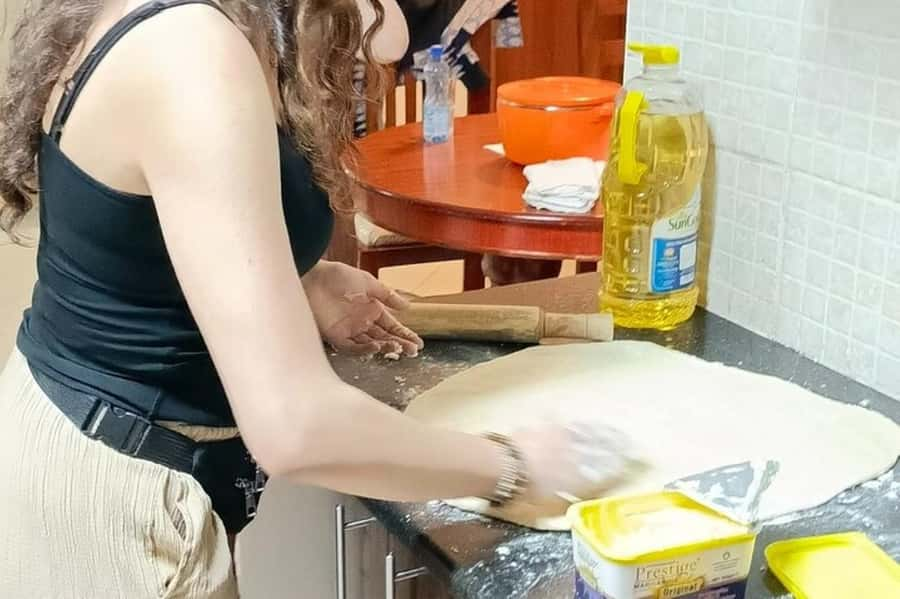
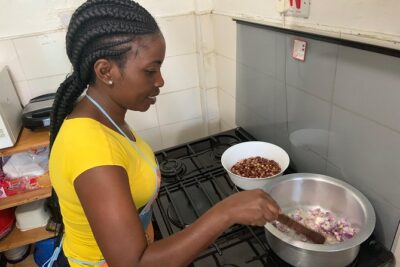
After the market, you go to the host’s home and begin preparing the meal from scratch. The key phrase here is from scratch, but you should understand what that means in this setting. You help prepare the food and receive instruction, while the host does most of the actual cooking because the kitchen is small.
That arrangement can work well. A cramped kitchen limits how many people can stand at the counter, move around safely, or work on several dishes at once. Rather than turning the room into a crowded team exercise, the host manages the cooking and lets you take part where there is space.
You may help with tasks connected to chapati, ugali, pilau, or other dishes being prepared. The exact hands-on work is not specified, so do not assume you will cook every recipe from start to finish. Think of this as a guided home cooking session, with chances to assist, ask questions, and watch local methods up close.
One especially appealing detail is the setting. You prepare the food in a real home rather than a purpose-built teaching kitchen. That means less room and perhaps less polished equipment, but it also brings you closer to the ordinary rhythm of preparing a meal. The small kitchen is a limitation, yet it is also part of what makes the session feel personal.
The cooking time has a social side, too. A previous participant described preparing food together on the sofa and talking about everyday life. That detail suggests the session is not built around rushing from one recipe to the next. You have time to talk with the host as the food comes together.
What the meal tells you about Nairobi food
Food here is the main subject, but the meal also opens a window onto cultural exchange. Kenyan staples such as ugali and chapati sit beside pilau and curry, showing how home cooking can combine local traditions with outside influences.
I like that the class does not treat Kenyan food as a museum piece. You are not only shown a finished dish or handed a plate in a restaurant. You see ingredients bought at a market, follow them into a home, and take part in preparing them. That sequence makes the food easier to understand and remember.
The meal itself includes food, fruit, soda, and water. Those inclusions matter because the $55 price is not only paying for instruction. It also covers the market experience, the food you eat, nonalcoholic drinks, and transport to and from the market.
The meal is likely to be the most relaxed part of the session. Once the work is finished, you can focus on the taste and talk about what you have prepared. The supplied information does not specify portion sizes, dietary options, or alcohol, so ask before booking if you have allergies, religious food rules, or other dietary needs.
More market and craft shopping in Nairobi:
- Nairobi souvenir Shopping and Historical Half day Tour
★ 5.0 · 61 reviews - Memorable Daily KIBERA Slums/Toi Market Tour with Locals (2 hours)
★ 5.0 · 29 reviews - Nairobi Cultural Shopping Experience
★ 5.0 · 21 reviews - Half-Day Nairobi National Park and Maasai Market with Pick up
★ 5.0 · 16 reviews
How private group size changes the experience
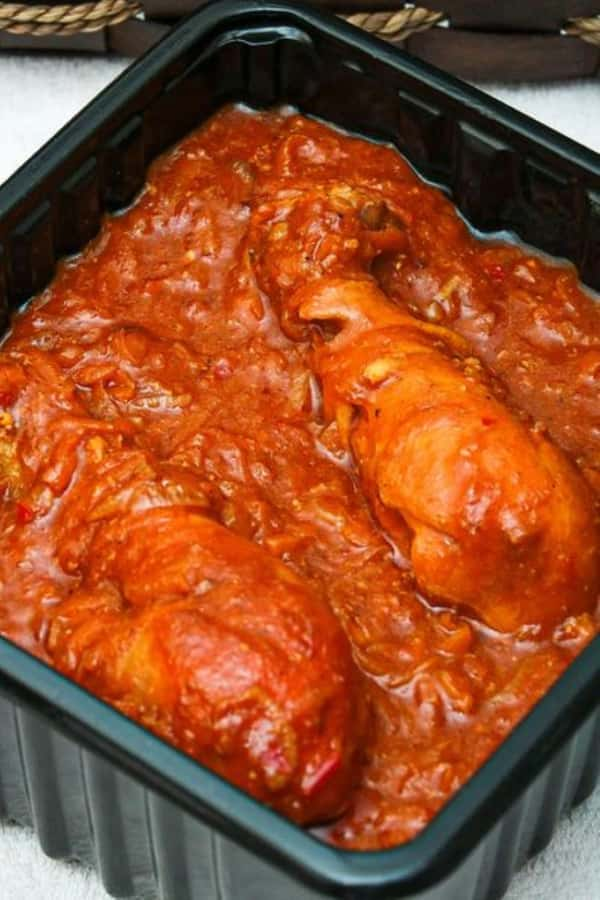
This is a private group activity, not a class shared with strangers. That makes a real difference if you want to ask many questions, move at your own pace, or keep the experience focused on your party.
The private format also suits families, couples, and small groups with mixed cooking skills. One person can watch while another helps, and you can ask the host to explain a technique again without holding up a large class.
There is a trade-off. A private session does not automatically mean everyone gets equal time at the stove. Because the kitchen is small, the host still handles most of the cooking. If your priority is a structured cooking lesson where each person prepares a full dish independently, look carefully at that limitation.
The host’s personal style appears to be an important part of the experience. The provider is listed as Evaline Mbugua, while participant notes refer to the host as Eve and Mary Evelyn. Since the names are not presented consistently, confirm the host’s name and meeting details when you book.
Is $55 a fair price?
At $55 per person, this is not the cheapest way to eat in Nairobi. You could spend far less on a single local meal. But this is not simply a meal purchase. You are paying for a four-hour activity that combines market transport, ingredient shopping, private guidance, cooking help, and food and drinks.
The value is strongest if you care about contact with local life. The market visit adds context, and the home setting gives the meal a personal side that a restaurant cannot provide. Food, fruit, soda, and water are included, so you have fewer extra costs during the session.
The price is less compelling if you only want to sample Kenyan dishes quickly. You may find a restaurant meal more efficient and cheaper. It is also less suited to someone who wants a large, highly equipped cooking studio or a class built around individual cooking stations.
Remember that Uber fees are not included. Transport to and from the market is covered as part of the activity, but any Uber cost connected with reaching the meeting point or returning elsewhere is your responsibility.
Timing, languages, and cancellation
The experience lasts four hours. That gives you enough time for the market, the journey to the home, preparation, cooking, and eating, but starting times depend on availability.
English and Swahili are offered. If your group has questions about ingredients, techniques, or local food customs, confirm your preferred language at booking.
You can cancel up to 24 hours in advance for a full refund. You can also reserve now and pay later, which is useful if your Nairobi schedule is still changing. These policies make the experience easier to fit into a wider Kenya itinerary, but you should still check the available start time before committing.
Who will enjoy this most?
I would choose this for you if food is one of your main ways of meeting a place. It suits someone who wants more than a restaurant meal and is happy to spend several hours shopping, talking, helping, and eating.
It is also a good match for visitors who prefer small private activities. The English and Swahili guidance, private group format, and home setting make it easy to keep the session personal.
Families may appreciate the simple structure, especially if children are interested in making bread or seeing how a meal is assembled. Couples and friends can also treat it as a social outing rather than a formal lesson.
I would hesitate if you dislike market settings, need a guaranteed menu, or want every participant to cook independently. The small kitchen means the host does much of the work. This is a local home meal with guided participation, not a professional culinary workshop.
Should you book this Nairobi cooking experience?
Book it if you want the market and the kitchen to be part of the same story. The strongest features are the private format, the chance to shop for your own ingredients, and the move from a local market into a real home. Ugali, chapati, pilau, and curry give you a useful range of Kenyan and Indian-influenced cooking.
Before paying, confirm the host’s name, the exact menu, meeting time, and any dietary needs. Keep the small kitchen in mind, too. If you accept that the host will do most of the cooking, the $55 price offers a personal four-hour introduction to Nairobi food and home life.
FAQ
Where does the experience meet?
You meet at the K Mall Komarock parking lot before proceeding to the local market.
How long does the activity last?
The experience lasts four hours.
What food might be prepared?
The meal may include Kenyan and Indian-influenced dishes such as curries, ugali, chapati, and pilau.
Do I get to cook?
You help prepare the meal and learn from the host, but the host does most of the cooking because the kitchen has limited space.
Is transportation included?
Transport to and from the market is included. Uber fees are not included.
Which languages are available?
The live guide speaks English and Swahili.
Can I cancel for a refund?
Yes. You can cancel up to 24 hours in advance for a full refund.
Just added around Nairobi
- Visit kibera Slum the chocolate city★ 4.8 · 3 reviews
- Day Tour to Nairobi national park, Elephants, and Giraffe Center★ 3.5 · 8 reviews
- Explore local Market matatu ride & Make Kenyan Cuisines with a home cook★ 5.0 · 8 reviews
- Kibera Slum Tour with a Local★ 5.0 · 15 reviews
- Urban Forest Tour in Nairobi★ 5.0 · 7 reviews
- Vegans special safari★ 4.5 · 4 reviews
- Private Mini Safari Tour in Nairobi★ 5.0 · 6 reviews
- Private Kenyan Cooking Class in Nairobi with a Local★ 5.0 · 3 reviews
Cooking Classes, compared.

Traditional Kenyan Cooking Class & Local Market Tour
Read our review →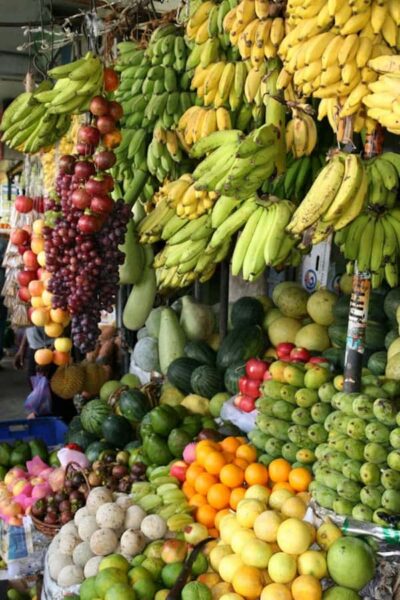
Authentic Kenyan Cooking Class & Market Tour in Nairobi
Read our review →
Private Traditional Kenyan Cooking Class with Lunch in Nairobi
Read our review →
Local Market Tour and Traditional Meal Cooking Class
Read our review →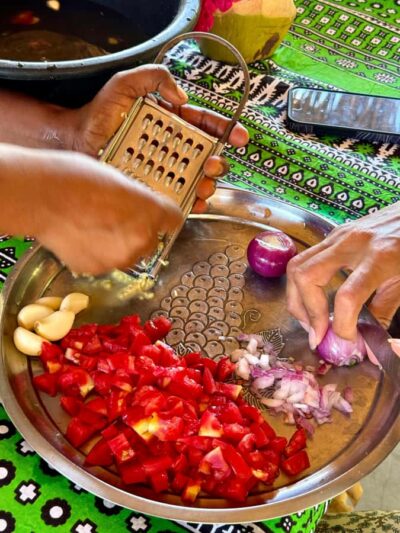
Private Kenyan Cooking Class in Nairobi with a Local
Read our review →Browse the lists this tour appears in