
Reviewed · CITY TOURS
Souvenir Crafts, Fabric Shopping & Hair Braiding & City Tour
Nairobi’s best shopping moments often come from knowing where to look. This three-hour tour leads you to local craft shops and fabric markets for Kenyan carvings, masks, jewelry, artwork, clothing, and Ankara cloth, then adds a walk through the city center and a view from one of Nairobi’s tallest buildings.
I like the practical focus on local prices and the chance to buy fabric for a custom outfit. I also like the small maximum group of 10, which should make it easier to ask questions and compare goods without being hurried. The main drawback is that the $35 price does not cover lunch, hair braiding, purchases, or all taxes and fees.
Key points to know before booking
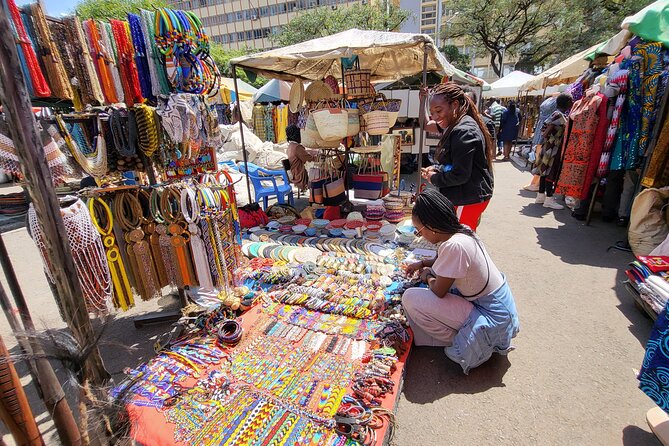
- Shopping with a local guide: Visit craft and curio shops selected for handmade Kenyan goods and affordable prices.
- Ankara fabric and tailoring: Buy cloth, dresses, skirts, shirts, or shawls, and share your own design for tailoring.
- Optional hair braiding: Request a local salon appointment at least two days ahead. The salon charge is extra.
- Nairobi city walk: See central Nairobi on foot, with time for city sights and a skyline view from a tall building.
- Small group size: The outing accepts a maximum of 10 people, a useful limit for shopping stops.
- Flexible order: Begin with crafts or fabric, depending on your preference and which market is closer.
What this Nairobi shopping tour is really about
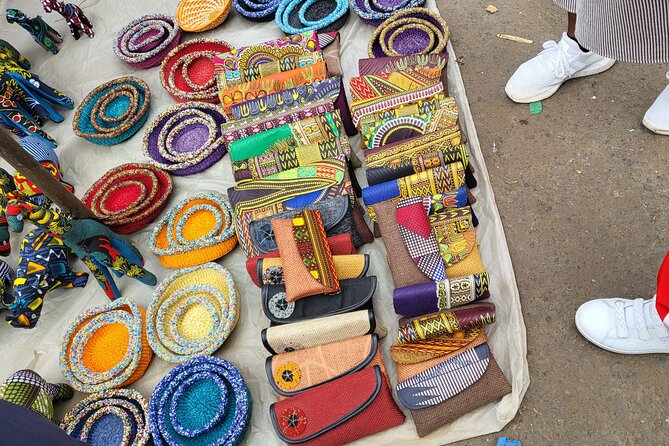
This experience is less about ticking off major monuments and more about finding things you can take home. The guide’s role is especially useful in a city where the right shop can make the difference between a pleasant purchase and an exhausting search.
You meet at Westlands Square and then head toward either the craft market or the Ankara fabric market. The order is flexible. If you have your heart set on carved wood, masks, or jewelry, say so at the start. If fabric is the priority, begin there instead.
The tour is designed around shopping with local direction rather than wandering from shop to shop alone. That matters in a city as large as Nairobi. You get a better sense of where to find handmade work, where clothing and fabric are sold, and how to spend your money with more purpose.
The advertised price is $35 per person. For a three-hour private-feeling shopping introduction, that can be good value if you plan to buy several items or want help finding Kenyan-made goods. It is less useful if you only want a quick look and do not intend to shop.
Keep your budget separate from the tour price. Lunch is not included, hair braiding costs extra, and the cost of crafts, fabric, clothing, tailoring, taxes, and other fees is also outside the $35 charge.
More City Tours in Nairobi
- Nairobi Historical Walking City Tour
★ 5.0 · 258 reviews - Nairobi Cultural and Historical City Tour with a Local
★ 5.0 · 67 reviews - Nairobi Walking Tour: Downtown & City Tour
★ 4.8 · 32 reviews
Starting at Westlands Square
Westlands Square is both the meeting point and the place where the activity ends. That simple arrangement is useful because you do not need to work out a separate return point after shopping. You can also plan your day around a known beginning and finish.
The experience is near public transportation, but the supplied details do not specify which routes to use. You should allow enough time to reach Westlands Square and confirm the meeting details when you book.
From there, your guide leads you toward the preferred market or shop area. The exact first stop depends on your choice and on which location is closer. This is a small but welcome bit of flexibility. You are not locked into a fixed sequence that ignores what you actually want to buy.
The tour lasts about three hours. That is enough time for a focused shopping trip and a city walk, but not enough for a slow examination of every stall or a long tailoring consultation. If you want a full wardrobe made, treat this as the first step: choose cloth, discuss your design, and ask about the tailoring arrangement rather than expecting a finished outfit during the tour.
Finding Kenyan crafts without wasting time
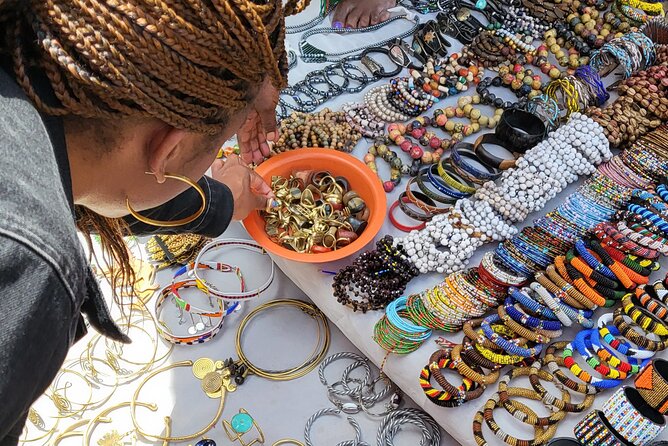
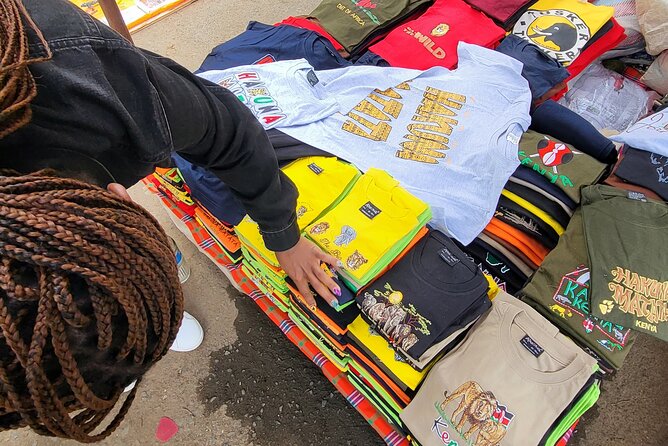
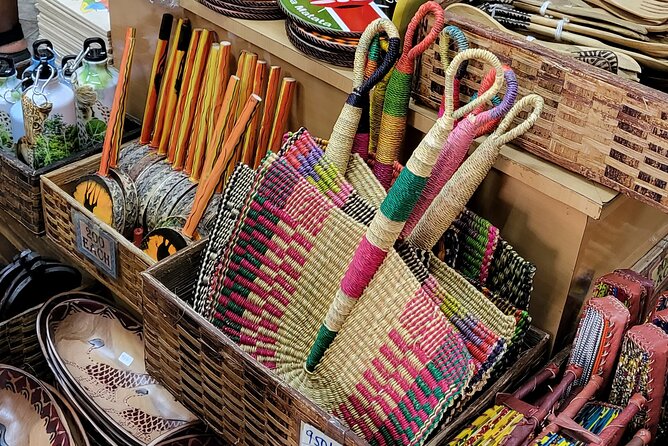
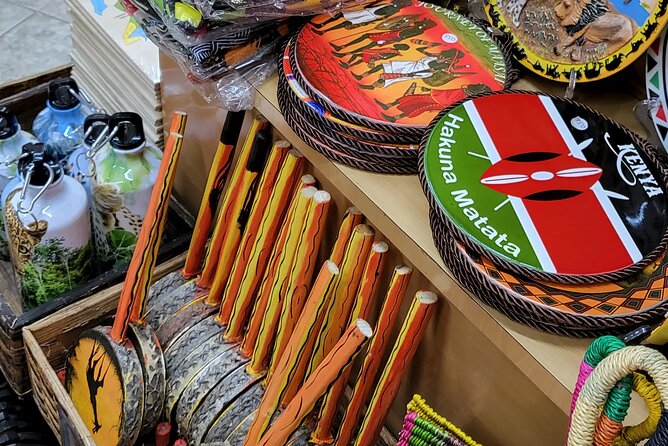
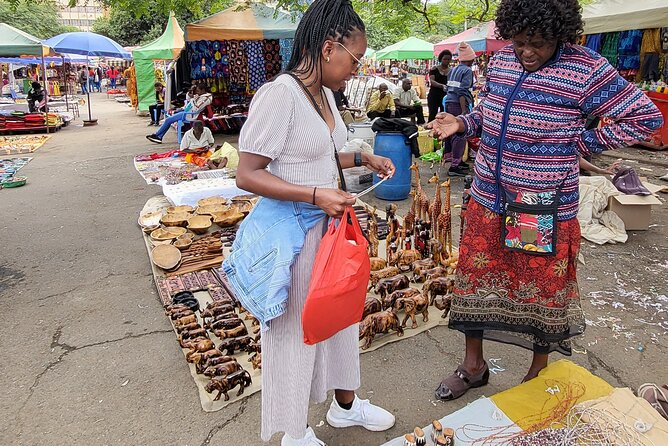
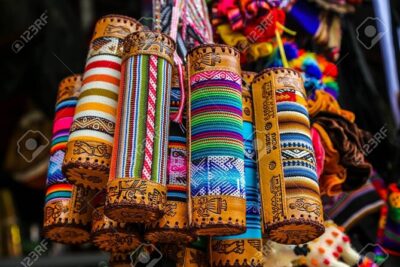
The craft portion covers the broad range of items most people hope to find in Nairobi. You might shop for handmade jewelry, artwork, masks, sculptures, wooden carvings, and other curios made by local craftsmen and artists.
The value here is not simply seeing attractive objects. A guide can help you concentrate on shops that fit your budget and your interest in Kenyan-made work. The strongest feedback about this experience centers on that shopping help, with the guide taking people to several locations instead of stopping at one seller and calling the job done.
I would use this part of the tour to compare before buying. Look at the finish of carvings, check the size and weight of sculptures, and decide whether an item is practical to carry home. For artwork and larger pieces, ask about packing and transport before paying. The tour information does not promise shipping services, so you should not assume a large purchase can be sent for you.
The guide’s advice may also help you separate a souvenir that feels connected to Kenya from a generic item. Ask where a piece was made and what materials were used. You will get more from the experience if you treat the shopping as a conversation, not just a hunt for the lowest number.
The phrase best prices should be handled sensibly. Prices can vary by shop, item, material, and your ability to compare. The tour aims to take you to affordable places, but you still need to make the final decision. If something feels too expensive, ask about alternatives or look at another shop before committing.
Choosing Ankara fabric and clothing
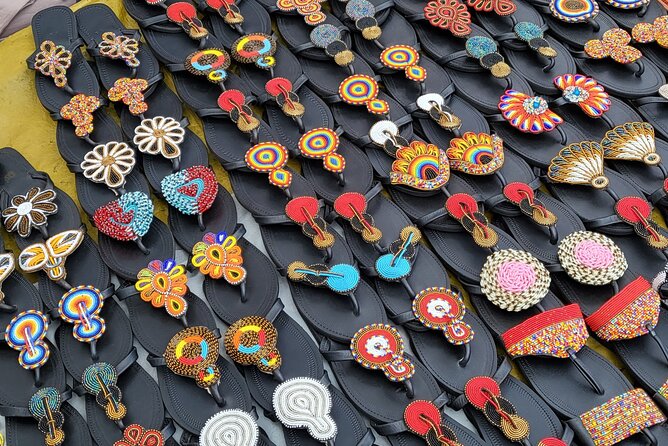
The fabric stop gives this experience a stronger local-shopping angle than a standard city walk. Ankara cloth is sold in bright patterns and can be used for African dresses, skirts, shirts, and shawls. You can buy fabric by itself or shop for ready-made clothing.
You can also bring an idea for an outfit and discuss it with a tailor. The supplied details specifically allow you to share your designs and have an outfit tailored. That makes the fabric market useful even if you do not see a finished garment that suits you.
Be realistic about the timetable. The activity lasts three hours and includes crafts, fabric shopping, city walking, and a skyline stop. The information does not state how long tailoring takes, so do not book this expecting to collect a completed custom outfit before the tour ends.
I like this part for travelers who want something more personal than a standard souvenir. A piece of cloth can be easier to pack than a sculpture, and a tailored garment gives you a stronger connection to the shopping experience. You can also decide how much involvement you want. Buy fabric only, choose ready-made clothes, or ask about using your own design.
The main consideration is that your purchases are entirely separate from the tour price. Ankara patterns and clothing can vary widely in cost, and tailoring adds another charge. Set a spending limit before you begin, especially if you are tempted by several designs.
More market and craft shopping in Nairobi:
- Traditional Kenyan Cooking Class & Local Market Tour
★ 5.0 · 129 reviews - Nairobi souvenir Shopping and Historical Half day Tour
★ 5.0 · 61 reviews - Memorable Daily KIBERA Slums/Toi Market Tour with Locals (2 hours)
★ 5.0 · 29 reviews - Nairobi Cultural Shopping Experience
★ 5.0 · 21 reviews
Optional hair braiding at a local salon
Hair braiding is an optional extra, not an automatic part of the three-hour price. You must request it at least two days before the activity so the arrangement can be made with a local salonist. The braiding charge is additional.
This option could turn the outing into a more personal cultural experience, but it requires planning. Do not wait until the morning of the tour and assume a salon appointment can be added. Ask for the details in advance, including the extra price and how much time it may take.
Because the listed duration is about three hours, hair braiding may affect how much time remains for crafts, fabric, and city sights. The supplied information does not give a standard braiding duration or a set menu of styles. If braiding is your main reason for booking, confirm those details before you pay.
If shopping is your priority, you may prefer to skip this add-on. If you want both braiding and markets, make the request early and understand that the schedule may need to give the salon a firm place in the day.
Walking through Nairobi’s central city
The experience is not confined to shops. You also walk around Nairobi’s Central Business District and see some of its key city sights. This gives the shopping trip more context and keeps it from feeling like a series of unrelated purchases.
The city walk is a useful part of the plan because you see everyday Nairobi between market stops. The information does not provide a fixed list of buildings or landmarks, so you should think of this as a guided orientation rather than a formal monument tour.
You will also have a skyline view from one of Nairobi’s tallest buildings. That is a worthwhile change of pace after time spent comparing cloth and crafts. From above, you can get a clearer sense of the city’s scale and layout.
There is no admission ticket charge listed for the activity. Still, the tour does not spell out every possible building access detail, so follow the guide’s instructions during the visit. The skyline stop is one of the outing’s most distinctive touches, but it should not replace a dedicated Nairobi sightseeing tour if major landmarks are your main goal.
Making room for Kenyan lunch
Lunch can take place at a local restaurant before or after the shopping excursion, depending on the day’s arrangement. You choose the meal, and you pay for it separately.
That flexibility is helpful. You can eat before shopping if you prefer to browse with energy, or wait until afterward and use lunch as a relaxed finish. The details do not name the restaurant or provide a fixed menu, so you should ask your guide what local options are available when you meet.
Budget for lunch in addition to the $35 tour fee. It is worth keeping a little time and money aside for the meal, particularly because the outing is built around a local restaurant rather than a prepaid group meal.
The lunch stop also gives you a chance to ask about the purchases you have made and confirm the next steps for tailoring, if you have chosen fabric. It is a modest part of the experience, but it helps the day feel like a city outing rather than a shopping errand.
How the $35 price measures up
At $35 per person, this tour is priced for people who want direction, not a luxury vehicle or a long list of paid attractions. The guide fee is included, while lunch, hair braiding, purchases, and all fees and taxes are not included.
I see the best value in the guide’s local shopping knowledge. If the guide helps you reach several craft shops, compare prices, and find the fabric market, the fee can save time and reduce the guesswork of shopping alone.
The value is weaker if you expect extensive sightseeing or transport between many distant parts of Nairobi. The activity begins and ends at Westlands Square, and no private transportation is listed. It is fundamentally a walking and shopping experience with city views.
The maximum group size is 10 people. That is small enough to keep the outing manageable, though it is not a private tour. If you need one-on-one attention for a detailed outfit design or a large purchase, tell the guide early.
Who should book this experience
I would recommend it to you if you want Kenyan souvenirs but do not know which shops to visit. It also suits anyone looking for Ankara fabric, ready-made African clothing, or a possible custom outfit.
It is a good match for first-time visitors who want a short introduction to central Nairobi alongside shopping. The combination of crafts, fabric, city walking, and a high-rise view gives you more variety than a market-only outing.
You should think twice if you want a museum tour, a detailed history lesson, or a fully planned sightseeing route. Those are not the main purpose here. The tour also may not suit you if you dislike walking or prefer every meal and extra cost to be prepaid, though the supplied information does not give a detailed accessibility description.
Bring a clear idea of what you want to buy, but stay open to alternatives. A budget, a rough clothing design, and a little space in your luggage will make the outing easier.
Booking, weather, and cancellation details
You receive confirmation at the time of booking, and the experience uses a mobile ticket. The activity requires good weather. If poor weather causes cancellation, you are offered another date or a full refund.
You can cancel for a full refund up to 24 hours before the start time. Cancellations or changes made within 24 hours are not accepted for a refund. The cut-off follows Nairobi local time, so check the time carefully if you are arranging the tour from another country.
The experience is often booked about 24 days ahead. That suggests you should reserve before your Nairobi schedule fills, especially if you want hair braiding, since that request must be made at least two days ahead.
Should you book it?
Book this tour if your Nairobi wish list includes handmade crafts, Ankara fabric, and practical shopping help, with a little city sightseeing added. The guide-led market visits and several shopping locations are the strongest reasons to choose it.
Skip it if you mainly want major attractions, a full meal included, or a fully private shopping service. At $35, it offers a focused introduction rather than an all-inclusive day. For the right person, that focus is the point: you get help finding Kenyan-made goods, time to compare purchases, a city walk, and a skyline view without committing to a long tour.
FAQ
How long does the Nairobi shopping and city tour last?
The activity lasts approximately three hours.
Where does the tour start?
The tour starts at Westlands Square in Nairobi, Kenya.
Where does the tour end?
The activity ends back at the meeting point at Westlands Square.
What is included in the $35 price?
Guide fees are included. Purchases, lunch, hair braiding, and all fees and taxes are not included.
Can I choose between crafts and fabric shopping first?
Yes. The day can begin at the craft market or Ankara fabric market, depending on which is closer or which you prefer.
What kinds of souvenirs can I buy?
You can shop for handmade jewelry, artwork, masks, sculptures, wooden carvings, and other local crafts. Ankara and African clothing, including dresses, skirts, shirts, and shawls, are also available.
Can I have an outfit tailored?
Yes. You can buy fabric, share your design, and arrange to have an outfit tailored. Tailoring costs are not included.
Can I add hair braiding?
Yes, but hair braiding is optional and must be requested at least two days before the tour. The braiding charge is extra.
What is the cancellation policy?
You can cancel at least 24 hours before the start time for a full refund. Cancellations or changes made less than 24 hours before the start time are not refunded. If poor weather cancels the activity, you are offered another date or a full refund.
Just added around Nairobi
- Visit kibera Slum the chocolate city★ 4.8 · 3 reviews
- Day Tour to Nairobi national park, Elephants, and Giraffe Center★ 3.5 · 8 reviews
- Explore local Market matatu ride & Make Kenyan Cuisines with a home cook★ 5.0 · 8 reviews
- Kibera Slum Tour with a Local★ 5.0 · 15 reviews
- Urban Forest Tour in Nairobi★ 5.0 · 7 reviews
- Vegans special safari★ 4.5 · 4 reviews
- Private Mini Safari Tour in Nairobi★ 5.0 · 6 reviews
- Private Kenyan Cooking Class in Nairobi with a Local★ 5.0 · 3 reviews
City Tours, compared.
Mombasa: Tusks, Fort Jesus, Old Town, Beach and City Tour
Read our review →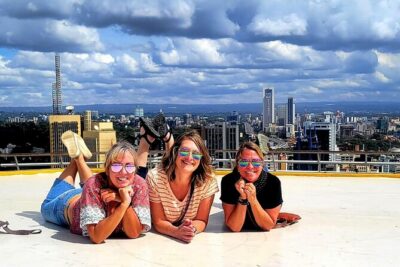
Nairobi Cultural and Historical City Tour with a Local
Read our review →

Mombasa: Private City Tour with Fort Jesus & Haller Park
Read our review →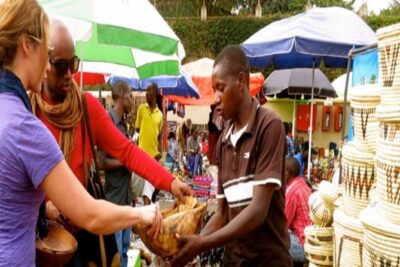
Browse the lists this tour appears in