
Reviewed · CITY TOURS
Nairobi: Maasai Market and Nairobi City Tour
Nairobi’s story comes into focus on foot, one monument and market stall at a time. This tour links the city’s older landmarks with its modern center, then adds a useful stop at the Maasai Market, where decorative crafts give you something more tangible than a string of dates and names.
I like the mix of local history and everyday city life, especially the chance to visit City Market and try a snack at a traditional Nairobi restaurant. I also like that the tour is private, so you can ask questions, learn a few Swahili words, and set a comfortable pace with your guide.
The main drawback is walking. The schedule covers several central sites in four to five hours, and it is not suitable for wheelchair users or people with mobility impairments. Food and drinks are also not included, apart from the 500-milliliter bottle of mineral water.
Key points at a glance

- A private city introduction: You explore with an English-speaking guide rather than a large group.
- Several important landmarks: The route includes Uhuru Gardens, the Dedan Kimathi and Tom Mboya monuments, Parliament Buildings, Kenya Archives, and All Saints Cathedral.
- Maasai arts and crafts: The Maasai Market gives you time to see decorative work and browse local goods.
- A taste of Nairobi: You can choose a snack at a traditional restaurant, but you pay for food and drinks yourself.
- A useful first-day tour: Hotel pickup, city orientation, and drop-off make this a practical way to get your bearings.
- A calm guiding style: Paul is specifically praised for clear explanations, a safe manner, and a calm approach to the city.
A four-hour introduction to Nairobi

This experience is best understood as a guided orientation rather than a museum-heavy sightseeing day. You are picked up at your accommodation, taken into Nairobi, and then spend about three hours on a guided city visit, with extra time for Uhuru Gardens and the Maasai Market.
The route moves between official buildings, public monuments, religious sites, markets, and newer parts of central Nairobi. That range matters. You are not seeing the city through only one lens, such as colonial buildings or souvenir shopping. Instead, you get a basic sense of how Nairobi presents its past, politics, public life, and commerce.
Because the group is private, I would use the early part of the tour to tell your guide what interests you most. If you care about Kenyan independence and political figures, ask for more context at the Dedan Kimathi and Tom Mboya monuments. If local crafts are your priority, save enough attention and time for the Maasai Market.
The tour is conducted in English. Guides also teach some Swahili words, which is a small feature but a useful one. Even a few simple words can make your interactions in Kenya feel less like a sightseeing exercise and more like a conversation with the place you are visiting.
More City Tours in Nairobi
- Nairobi Historical Walking City Tour
★ 5.0 · 258 reviews - Nairobi Cultural and Historical City Tour with a Local
★ 5.0 · 67 reviews - Nairobi Walking Tour: Downtown & City Tour
★ 4.8 · 32 reviews
Uhuru Gardens and the first sense of Nairobi
Uhuru Gardens is listed as a 30-minute visit. This gives you enough time for a short stop and explanation, but not the kind of leisurely visit where you inspect every corner.
The gardens help establish the national setting for the rest of the tour. Your guide can connect the site to Nairobi’s public memory and to the wider story of Kenya. I would treat this as a scene-setting stop rather than the central attraction of the day.
The value here is partly practical. Early in a city tour, an open public space gives you a break from traffic and dense streets before the walking route continues. It also gives your guide a natural place to explain how the city’s monuments and civic spaces relate to Kenyan identity.
Bring comfortable shoes and expect to keep moving afterward. The tour does not present Uhuru Gardens as a long independent visit, so you should not book it expecting a full garden excursion.
Monuments that put names to Kenya’s public life
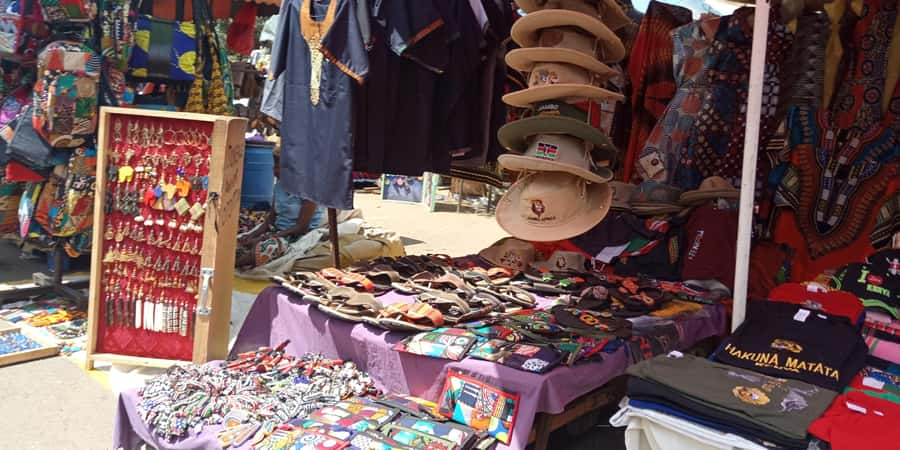
The walking portion includes the Dedan Kimathi Monument and the Tom Mboya Monument. These are not just photo stops. They give your guide a clear way to explain important figures and the political forces that shaped modern Kenya.
The Dedan Kimathi Monument is linked to Kenya’s struggle for independence, while the Tom Mboya Monument represents another major figure in the country’s political story. The supplied tour details do not specify the full commentary at each site, so you should let your guide fill in the connections and ask questions as you go.
This is one of the strongest reasons to choose a guided walk instead of wandering central Nairobi alone. A monument can be easy to pass without context. With a guide, you get names, events, and modern relevance attached to the places in front of you.
You will also visit Kipande House and the Kenya Archives. These stops add a different layer to the tour. The monuments focus attention on people and public memory, while the archives and older civic buildings point you toward records, administration, and the systems that helped shape Nairobi.
The itinerary includes the Parliament Buildings and All Saints Cathedral as well. These sites broaden the walk beyond one political period. You get a view of government, religion, public architecture, and the city center in a relatively short time.
Do not expect extended interior visits at every location. The experience is described as a guided tour of landmarks, not as a series of long building tours. If you prefer a slow visit inside each site, four to five hours will feel tight. If you want a clear overview, the pace makes more sense.
City Market and a small taste of local food
Nairobi City Market is one of the more useful stops for anyone who wants to understand daily city life. You can see where local commerce and food meet, rather than spending the whole day among formal monuments.
The tour includes a snack of your choice at a traditional Nairobi restaurant. That gives you a chance to try something local without committing to a full meal during a busy sightseeing schedule. Since food and drinks are not included in the price, carry some extra money if you want to order more than the basic snack.
I like this part of the tour because it keeps the experience from becoming too polished. A market and a simple restaurant stop tell you things that official buildings cannot. You can pay attention to what is being sold, how people use the space, and how your guide describes local food customs.
The details of the restaurant and snack are not fixed in the information provided. That means you should ask your guide what is available on the day and mention any food concerns before ordering. I would not book this tour as a food tour. The snack is a short cultural addition, not the main event.
More market and craft shopping in Nairobi:
- Traditional Kenyan Cooking Class & Local Market Tour
★ 5.0 · 129 reviews - Nairobi souvenir Shopping and Historical Half day Tour
★ 5.0 · 61 reviews - Memorable Daily KIBERA Slums/Toi Market Tour with Locals (2 hours)
★ 5.0 · 29 reviews - Nairobi Cultural Shopping Experience
★ 5.0 · 21 reviews
The Maasai Market and decorative arts
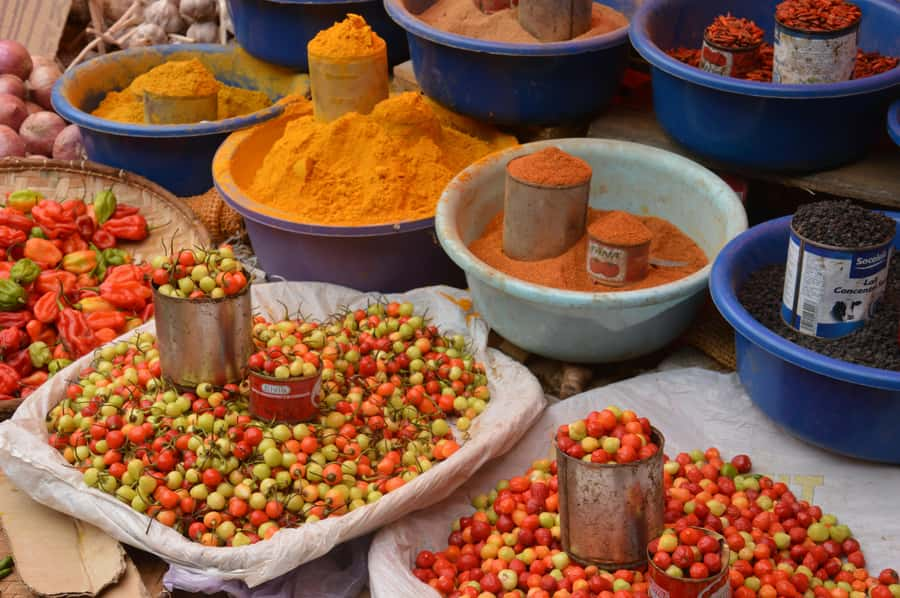
The Maasai Market receives a separate 30-minute visit. That is enough time for a guided look and some browsing, but it may feel brief if you want to inspect every stall or shop at length.
The market is the tour’s main chance to see Maasai decorative arts and learn how these objects connect with Kenyan culture. You might find a range of handmade items, but the supplied details do not promise specific products or a fixed selection, so keep your expectations open.
This is also the point where practical shopping sense matters. If something catches your eye, compare items before buying and ask about the price clearly. The tour description does not include a shopping allowance or any included purchase, so all purchases are your responsibility.
A guide can help you understand the cultural setting of the goods, which makes the market more meaningful than a quick stop at a shop aimed only at tourists. Still, the 30-minute time slot means you should decide what matters most. You can browse, ask questions, and perhaps buy a small item, but you may not have time for a long negotiation over several pieces.
I would also keep your hands free and your attention on your belongings in any busy market setting. That is ordinary city advice, not a warning aimed at this particular tour.
Modern Nairobi between the historic stops
The tour also takes you through the newer part of the city, where you can look at Nairobi’s skyline and see the central business area in motion. This section helps balance the monuments and older civic sites.
I find this contrast useful. Nairobi is not only a collection of historical markers. It is also a modern capital with office buildings, public institutions, religious centers, markets, and busy streets close together. Walking between these settings helps you see how the city’s past and present occupy the same small area.
The skyline viewing is not described as a visit to a particular tower or rooftop. Expect to see the city from street level and along the route. If you want a formal viewpoint or a long architecture tour, this is not that. The benefit is the changing view as you move through central Nairobi.
A guide makes the modern section more useful by pointing out buildings and explaining their role. One verified booking described Paul as explaining the places and buildings well, while another described the guide as calm and informative. That suggests the guiding style may suit you if you prefer steady commentary rather than a rushed stream of facts.
What the private format changes
A private group is a real advantage here. You do not have to match the walking speed or interests of a large mixed group, and you can ask for clarification when a name or event is unfamiliar.
The guide can also respond to your comfort level. If you want more time at the Maasai Market, you can raise that with the guide. If you are more interested in monuments and buildings, you can use your questions to shape the conversation. The listed route is set, but a private format usually gives the day a more personal feel.
The available feedback gives special weight to the guides’ manner. Paul is named specifically, and the comments describe him as informative, calm, helpful, and reassuring. Another booking simply praised the guide’s explanations and helpful attitude. I would value that on a first visit to a major city, especially during a walking tour with several stops.
That said, the experience is sold with an English-speaking guide, and no other language option is listed. If you need a different language, confirm availability before booking rather than assuming it can be arranged.
Is $35 good value?
At $35 per person, the tour offers solid value if you want transport, a private guide, a city walk, several landmark stops, Uhuru Gardens, the Maasai Market, and hotel drop-off in one half-day experience.
The price is especially reasonable for someone arriving in Nairobi without a plan. You are paying for orientation as much as for sightseeing. The guide helps connect places that could otherwise seem scattered, and hotel pickup removes the need to arrange your own way into the center.
The value is weaker if you mainly want to shop or eat. Only a 30-minute market visit is scheduled, and the snack is not included. You are also not getting a long museum visit or a full meal. In that case, a more focused market or food experience may suit you better.
I would also compare the price with your available time. Four to five hours is a manageable block during a short stay, especially if you have another activity later in the day. The schedule is too broad for slow exploration, but that breadth is exactly what makes it useful as a first look at Nairobi.
Mineral water is included, though the bottle is only 500 milliliters. I would still plan for your own water needs, particularly if the day is warm or you are not used to extended walking.
Walking, pickup, and practical limits
Pickup depends on the option you choose, and the experience returns you to your accommodation. The listed drop-off points include Nairobi and International House, so check the exact option carefully when booking.
The tour lasts four to five hours, with starting times dependent on availability. That flexible timing can help you fit it around flights, meals, or another Nairobi activity, but do not assume every departure time is offered every day.
This is not a suitable choice for wheelchair users or people with mobility impairments. The route includes walking through central Nairobi and stops at several locations, so you should be comfortable moving between sites and spending time on your feet.
The tour includes an English-speaking guide and mineral water. Food, additional drinks, and any market purchases are extra. Cancellation is free up to 24 hours before the start, and you can reserve now and pay later, which is useful if your Nairobi plans are still shifting.
Who should book this Nairobi tour?
I would choose this tour for a first visit, a short stay, or a morning when you want to understand the city before tackling other activities. It suits you if you like monuments, public buildings, local markets, and guided explanation in roughly equal measure.
It is also a good fit if you prefer a private experience and want to ask direct questions. The calm guiding style associated with Paul may appeal to you if safety and clear communication matter as much as entertainment.
I would look elsewhere if you need step-free access, want a full food experience, or prefer to spend several hours shopping at the Maasai Market. The itinerary covers a lot of ground, so it rewards curiosity more than slow, detailed inspection.
Should you book it?
Book this tour if you want a practical introduction to Nairobi for $35, with hotel pickup, a private English-speaking guide, central landmarks, a market visit, a snack stop, and drop-off afterward. The strongest feature is the combination of civic history and ordinary city life, supported by clear and calm guiding.
Skip it if you want a long food tour, a dedicated craft-shopping trip, or an accessible route. For most first-time visitors who can walk comfortably, this is a sensible half-day way to put Nairobi’s monuments, markets, and modern center into context.
FAQ
How long does the Nairobi city and Maasai Market tour last?
The experience lasts approximately four to five hours. The guided Nairobi portion is listed as about three hours, with separate visits to Uhuru Gardens and the Maasai Market.
What language is the tour conducted in?
The tour is conducted in English with a live English-speaking guide. The guide also teaches you some Swahili words during the experience.
Is hotel pickup included?
Yes. Hotel pickup and drop-off are included, although the exact pickup arrangement depends on the option selected.
Is this a private tour?
Yes. The experience is offered for a private group rather than as a shared group tour.
What places are included?
The route includes Nairobi city center, Uhuru Gardens, the Maasai Market, Nairobi City Market, the Dedan Kimathi Monument, the Tom Mboya Monument, Kipande House, Kenya Archives, Parliament Buildings, and All Saints Cathedral.
Is food included in the price?
No. You can choose a snack at a traditional Nairobi restaurant, but food and drinks are not included. Mineral water is provided.
Is the tour suitable for wheelchair users?
No. The experience is not suitable for wheelchair users or people with mobility impairments.
Can I cancel for a full refund?
Yes. You can cancel up to 24 hours in advance for a full refund. You can also reserve the experience and pay later.
Just added around Nairobi
- Visit kibera Slum the chocolate city★ 4.8 · 3 reviews
- Day Tour to Nairobi national park, Elephants, and Giraffe Center★ 3.5 · 8 reviews
- Explore local Market matatu ride & Make Kenyan Cuisines with a home cook★ 5.0 · 8 reviews
- Kibera Slum Tour with a Local★ 5.0 · 15 reviews
- Urban Forest Tour in Nairobi★ 5.0 · 7 reviews
- Vegans special safari★ 4.5 · 4 reviews
- Private Mini Safari Tour in Nairobi★ 5.0 · 6 reviews
- Private Kenyan Cooking Class in Nairobi with a Local★ 5.0 · 3 reviews
City Tours, compared.

Mombasa: Tusks, Fort Jesus, Old Town, Beach and City Tour
Read our review →
Nairobi Cultural and Historical City Tour with a Local
Read our review →

Mombasa: Private City Tour with Fort Jesus & Haller Park
Read our review →
Browse the lists this tour appears in