

Reviewed · KIBERA SLUM TOURS
Full Day Kibera Slum Tour
Kibera is not a museum exhibit. It is a living Nairobi community, and this tour takes you through its markets, schools, small businesses, and local projects. You’ll meet people working to improve daily life, rather than simply looking at poverty from a vehicle window.
I like the private format, which lets you set the pace and ask direct questions. I also like the mix of places: Toi Market, a kindergarten, a bead shop, women’s and youth groups, and Hope and Shine Kibera Center offer a fuller picture than a short walk through residential lanes.
The main consideration is that the schedule is not perfectly clear. The tour is advertised at about 4 to 6 hours, while the detailed program lists 7 hours, and lunch is not included. Confirm the timing and meal plan before you go.
Key points
- Toi Market gives the tour its street-level start: You’ll see different market sections and learn how traders earn a living.
- Hope and Shine Kibera Center adds a useful community focus: You can meet children and a teacher and join a co-curricular activity.
- Women’s and youth groups provide personal contact: These meetings explain local work in a way a market visit alone cannot.
- Two aerial viewpoints show Kibera and Nairobi from above: They help you understand how the community fits into the wider city.
- Private transport and pickup are included: Your group does not share the activity with strangers.
- The $65 price covers access and transport, but not lunch: Its value depends on how much time and conversation your guide provides.
Seeing Kibera Through Its Markets and Community Projects
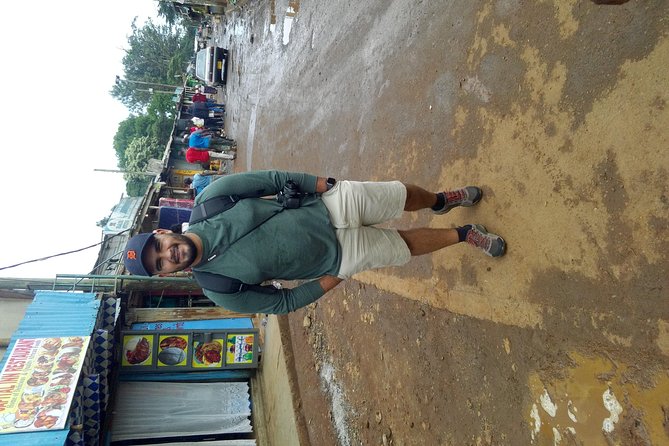
This private Kibera tour is designed to show several sides of life in one of Nairobi’s largest informal settlements. You are not just walking past homes. You are visiting traders, community programs, educators, artisans, and organized local groups.
That range matters. A market shows commerce. A school shows children and teaching. A women’s group shows cooperation and income generation. A youth group shows another way residents organize around shared concerns. Together, these stops create a more useful picture than a tour built around hardship alone.
The experience is also personal by design. Only your group participates, so you can ask questions without competing with a large crowd. If you want more time at a market stall, a longer conversation, or a clearer explanation of a local issue, a private departure gives you more room to speak up.
The tour is offered by Visit Kibera Expeditions. A guide named Lucas is identified with one departure, and the description presents the guide as a local young man who led the guest through the area with care and intelligence. Guide assignments can vary, so treat Lucas as an example rather than a guarantee.
More Full-Day Tours in Nairobi
- Full Day Nairobi Cultural and Historical Tour
★ 5.0 · 153 reviews - Nairobi National Park Full-Day Tour: Private 4WD with Guide
★ 4.1 · 10 reviews - Mt Kenya: Full-day hiking tour from Nairobi
★ 4.2 · 10 reviews
Starting at Greenhouse Mall and Toi Market
Pickup is offered from your hotel, followed by a briefing at Greenhouse Mall or the stated starting point. This opening briefing is useful because Kibera can feel overwhelming if you arrive without context. You have a chance to understand the day’s route and ask practical questions before entering the main part of the tour.
Toi Market is one of the strongest early stops. You’ll see its extensive market area, learn about the daily work of traders, and identify the different sections. The value here is not only the chance to browse goods. Your guide can help you understand how the market functions as a place of work and exchange.
You may also have the chance to shop during the visit. Keep your expectations sensible. This is a working market, not a polished souvenir center, so the experience is more about seeing local trade than finding a carefully packaged shopping district.
The market can be the most active portion of the day. If you dislike crowded commercial areas, tell your guide early. Since this is a private tour, you have a better chance of adjusting the pace than you would on a fixed group outing.
Hope and Shine Kibera Center and the School Visit
The tour includes a visit to the Hope and Shine community development program. Here, you can learn about the children, meet a teacher, and take part in a co-curricular activity.
This stop gives the tour a clear purpose beyond sightseeing. You are learning about a local program and the practical work involved in supporting children. One account of the experience describes time in a classroom with children singing, learning, talking with visitors, and sharing a meal together.
That kind of visit requires good judgment. Children should not be treated as scenery, and you should follow the guide’s direction about photographs, conversation, and participation. The program is presented as a place where you can volunteer and join an activity, but the exact activity may depend on the day.
You should also remember that lunch is not included in the $65 price. A shared meal may be part of a particular school visit, but you should not assume it replaces lunch or that it happens on every departure. Ask before booking if food arrangements matter to you.
Two Aerial Views of Kibera and Nairobi

The itinerary includes two aerial viewpoints of the City of Hope. These views help you pause after the closer, more personal stops and see the area in relation to Nairobi.
From ground level, Kibera is experienced through paths, stalls, classrooms, and conversations. From above, you can better understand the size of the community and its place within the capital. The viewpoints also give the day some visual variety, which is welcome during a long walking and transport-based outing.
The description does not give the exact location or height of these viewpoints. I would not book this tour expecting a formal observation deck or a major city attraction. Think of them as simple vantage points connected to the route.
More guided Kibera walks:
- Nairobi: Explore Kibera Slum with Local Guides
★ 4.9 · 365 reviews - Kevins Kibera Slum Tours
★ 5.0 · 213 reviews - Nairobi: Kibera Slum storytelling tour with a Local
★ 5.0 · 185 reviews - Kibera Slum Tour with Lucas
★ 5.0 · 119 reviews
Bead Shops and Local Craft Work

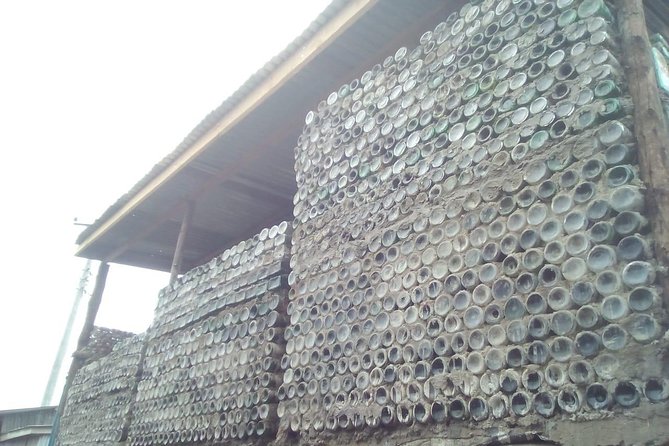
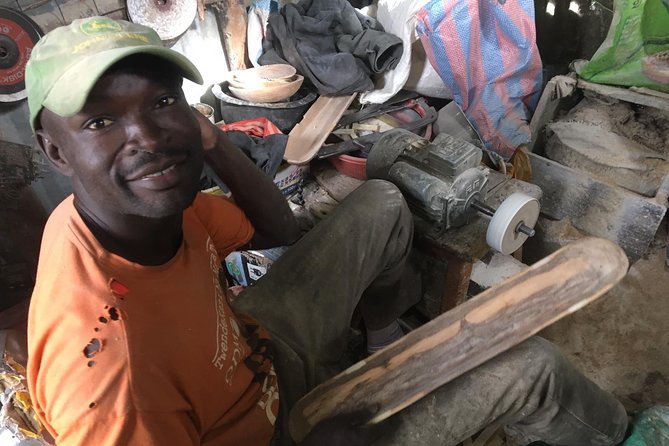
A bead shop is included, giving you time to see handmade goods and shop locally. This is a small stop, but it adds an important economic angle to the tour.
Buying something here can be a direct way to support a local maker or seller. Ask your guide what the items represent, who makes them, and how the shop operates. A purchase is optional, and you should never feel pressured to buy.
The bead visit also works well as a quieter break between the market and group meetings. If your main interest is crafts, this stop may feel brief. If you want a broad introduction to Kibera, it is a sensible part of the mix.
Meeting a Women’s Group and a Youth Group

The tour includes a meeting with one women’s group and one youth group. These stops are among the most valuable because they shift the focus from places to people.
At the women’s group, you can hear about daily routines and the work members do together. The information provided does not specify the group’s exact project, so expect a conversation rather than a guaranteed demonstration of one particular trade.
The youth group offers another point of view. Young people often face different concerns from parents, teachers, or market traders, and this meeting adds balance to the day. Again, the specific group and discussion may vary.
These conversations are best approached with curiosity and respect. Ask open questions, listen carefully, and avoid turning personal stories into a photo opportunity. The private format should help, since your group can spend time listening instead of rushing through a large scheduled gathering.
Riding in a Matatu

The itinerary includes an experience of life inside a matatu, Kenya’s shared minibus. This adds an everyday transport element to the visit and lets you see how people move through Nairobi and Kibera.
A matatu ride is not a sightseeing attraction in the usual sense. That is precisely why it can be useful. You are experiencing one part of normal city life rather than moving only in private tour transport.
The details are not fixed in the supplied information, so ask your guide about the route, duration, and seating arrangements. If you have mobility concerns or dislike crowded public transportation, raise that before the day begins. Most travelers can participate, but the operator does not give a detailed accessibility statement.
What the $65 Price Really Covers
The price is $65 per person. It includes all fees and taxes, pickup, and private transportation. Lunch is extra.
For a private activity lasting roughly half a day to a full day, that price can be fair, especially if your group values direct conversation and flexible pacing. You are paying not only for transport, but also for a guide who connects you with several community programs and explains local issues.
The value drops if you want a short, tightly timed sightseeing walk. The schedule includes many stops, and the published timing is inconsistent: the main duration is about 4 to 6 hours, while the detailed route says 7 hours. Confirm the expected start and finish times before paying.
A private tour can also be expensive for a solo visitor compared with a shared walk. For two or more people, the price may make more sense because you are sharing the cost while keeping the group small.
Timing, Transport, and What to Bring

Hotel pickup is offered, and private transportation is included. The tour starts with a briefing at Greenhouse Mall or another stated starting point. Confirmation is provided at booking, and a mobile ticket is accepted.
The tour is booked well ahead by many customers, with an average booking lead time of about 75 days. That does not guarantee that every date sells out, but it is a good reason to reserve early if your Nairobi schedule is fixed.
Wear practical clothing and comfortable shoes. That advice follows the nature of the program: you’ll be moving through a market, visiting community sites, joining activities, and possibly using public transport. The operator states that the tour is near public transportation and that most people can participate.
Bring money if you want to shop at the bead store or Toi Market. Since lunch is not included, also clarify how and when you will eat. Do not assume that a meal connected with the school visit is part of every departure.
The Ethical Question: How to Visit Responsibly
A Kibera tour can be valuable, but it must be handled with care. The strongest parts of this program are the community links: Hope and Shine, the women’s group, the youth group, and the school. These stops give residents a voice and connect the visit with local work.
Your own behavior matters. Ask before taking photographs, especially of children. Do not photograph people in difficult circumstances without permission, and do not hand out gifts directly unless the program has arranged it.
Use the tour to listen and learn, not to collect dramatic images. Shop from local sellers if you want to buy something, and ask questions about how the projects operate. A respectful visitor can support the local economy without treating the community like a backdrop.
The tour’s private structure helps, but it does not solve every ethical concern by itself. You should still expect the guide to explain how visits are arranged and how community groups benefit. If those answers are unclear, ask before you book.
Who Will Get the Most From This Tour
I would recommend this experience to you if you want social context, personal meetings, and a look at everyday work in Nairobi. It suits visitors who are comfortable with an unscripted day and who prefer community programs over polished attractions.
It is also a good fit if you want a private guide. You can ask more questions, slow down at a meaningful stop, and discuss subjects that interest your group. The 95 percent recommendation rate and 4.9 rating from 20 ratings suggest that the experience has generally been well received, though the small number of ratings means you should not treat those figures as a guarantee.
I would hesitate if you want a simple two-hour walk, a restaurant meal, or a carefully fixed schedule. The day includes many components, lunch is not included, and the stated duration needs clarification.
One complaint concerned a guide who did not know enough about part of the experience. The operator apologized for the communication problem. That is a reminder to ask questions during the briefing and to confirm what each stop will involve.
Should You Book the Full Day Kibera Tour?
Book it if you want to understand Nairobi through people and local projects, not just landmarks. The strongest reasons are the private format, the range of stops, the school and community program, and the chance to speak with women’s and youth groups.
Before booking, confirm the guide, exact duration, pickup time, food plan, and the details of the school and group visits. If you approach Kibera with respect and realistic expectations, this can be one of the more meaningful ways to spend a day in Nairobi. If you mainly want sightseeing or shopping, choose a shorter city tour instead.
FAQ
Where does the Full Day Kibera Slum Tour take place?
The tour takes place in Kibera, Nairobi, Kenya. It begins with hotel pickup and a briefing at Greenhouse Mall or the stated starting point.
How long does the tour last?
The general duration is listed as approximately 4 to 6 hours. The detailed program lists 7 hours, so you should confirm the expected duration before booking.
What is included in the price?
The $65 price includes all fees and taxes, pickup, and private transportation.
Is lunch included?
No. Lunch is not included in the tour price.
Is this a private tour?
Yes. Only your group participates in the private activity.
What places are included during the tour?
The program includes Toi Market, Hope and Shine Kibera Center, two aerial viewpoints, a bead shop, a women’s group, a youth group, and an experience riding in a matatu.
Can I be picked up from my hotel?
Yes. Hotel pickup is offered from your hotel of residence.
Do I need to book far in advance?
The tour is booked on average 75 days in advance. Availability can vary, but reserving early is sensible if you have fixed Nairobi dates.
What is the cancellation policy?
You can cancel at least 24 hours before the start time for a full refund. Cancellations or changes made less than 24 hours before the experience are not refunded or accepted.
Just added around Nairobi
- Visit kibera Slum the chocolate city★ 4.8 · 3 reviews
- Day Tour to Nairobi national park, Elephants, and Giraffe Center★ 3.5 · 8 reviews
- Explore local Market matatu ride & Make Kenyan Cuisines with a home cook★ 5.0 · 8 reviews
- Kibera Slum Tour with a Local★ 5.0 · 15 reviews
- Urban Forest Tour in Nairobi★ 5.0 · 7 reviews
- Vegans special safari★ 4.5 · 4 reviews
- Private Mini Safari Tour in Nairobi★ 5.0 · 6 reviews
- Private Kenyan Cooking Class in Nairobi with a Local★ 5.0 · 3 reviews
Kibera Slum Tours, compared.



Nairobi: Kibera Slum Tour with Local Social Entrepreneurs
Read our review →



Browse the lists this tour appears in