

Reviewed · KIBERA SLUM TOURS
Kibera slum tour with Lucas
Kibera is not a sightseeing backdrop. It is home. This walking tour takes you through Toi Market, a local house, craft workshops, and a school, with guides such as Lucas, Effie, Peter, and Elijah who were born and raised here. You get a closer look at daily life in Nairobi’s largest informal settlement, while part of your fee supports Hope and Shine Kibera Centre, a school serving more than 40 children.
I like the honest local access and the clear community benefit. You are not simply looking down from a vehicle. You walk, talk, ask questions, and meet people connected to the guides. I also like the range of stops, from bone-and-brass jewelry to the old colonial railway line and a family home. The drawback is equally clear: this is a demanding walk over uneven and sometimes muddy ground, and the craft-shop visits may feel sales-focused to some people.
Key points to know before you go

- Toi Market gives you a working view of Kibera: You see sections selling clothing, food, and hardware, rather than passing through a staged attraction.
- The guides come from Kibera: Lucas, Effie, Peter, and Elijah are among the guides who explain the area through personal experience.
- Thirty percent of the fee supports a local school: Your booking helps Hope and Shine Kibera Centre, which hosts more than 40 children.
- You enter a real family home: The home visit is hosted by a guide’s family and offers a more personal look at housing and daily routines.
- The old railway line provides a wider view: From a raised point, you can see across much of Kibera and better understand its scale.
- Come prepared to walk: Comfortable shoes matter, and the route is not suitable for wheelchair users.
What this Kibera walk is really about

A visit to Kibera can easily become uncomfortable if it treats poverty as a spectacle. This experience works best when you approach it as a community-led walk, not as a photo hunt. The guides explain how people live, work, trade, study, and solve daily problems in a place that is often reduced to a label.
The difference is the personal connection. The guide is not a detached narrator describing an unfamiliar neighborhood. Lucas and the other guides were born and raised in Kibera, and the route includes a visit to one guide’s family home. That does not turn hardship into entertainment, but it can make the discussion more human and specific.
You should still be thoughtful with your camera. Photography is included as part of the experience, and there are many places to take pictures, but ask before photographing people, homes, traders, or children. The best memories here come from listening first.
The tour costs $35 per person. That is more than a simple walk with a local escort, but the price includes the guide, safety support, entry, and a 30 percent contribution to Hope and Shine Kibera Centre. If supporting a school is important to you, this gives the fee a clear purpose. You can also bring books, coloring pens, or T-shirts for the school, as long as you arrange or confirm this with the operator first.
More guided Kibera walks:
- Nairobi: Explore Kibera Slum with Local Guides
★ 4.9 · 365 reviews - Kevins Kibera Slum Tours
★ 5.0 · 213 reviews - Nairobi: Kibera Slum storytelling tour with a Local
★ 5.0 · 185 reviews
Meeting at Greenhouse Mall on Ngong Road
The tour starts at the entrance of Greenhouse Mall, where the team welcomes you and explains the plan. This is a useful beginning because it gives you a chance to ask about the route, photography, timing, and any personal concerns before entering Kibera.
Greenhouse Mall is also a practical meeting point for anyone who wants a clear landmark. The activity is offered in English, and the guides have been described as patient and reassuring with people who are not fully confident in English. You should still tell the guide if you need slower explanations or more time at a stop.
The stated tour duration is about three hours. The route includes several visits and plenty of walking, so it is wise not to schedule a tightly timed flight, train, or separate appointment right afterward. The material also describes a return to Greenhouse Mall, while Equity Bank Kibera is used as a departure point at the end of the main route. Confirm the exact finish point when you meet the guide.
Toi Market: clothes, food, and hardware
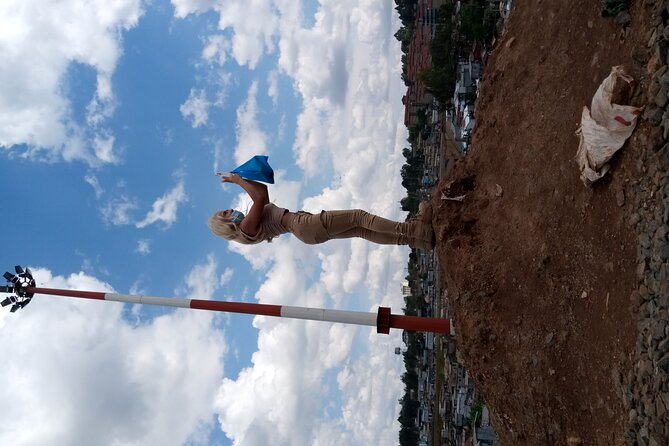
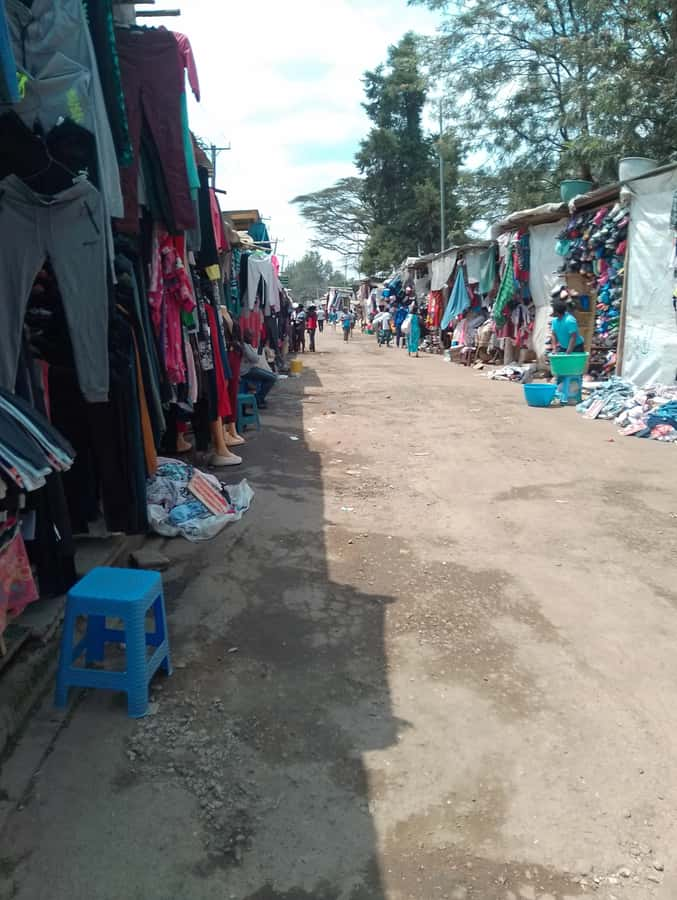
Toi Market is one of the first major stops. It is described as Nairobi’s second-largest open-air market after Gikomba, and the tour takes you through different sections rather than giving you only a quick pass along the edge.
You may see areas selling clothing, food, and hardware. That mix matters. It shows Kibera as a place of commerce and work, not only a place of need. Traders are part of the neighborhood’s daily rhythm, and the guide helps explain what you are seeing and how people use the market.
The market is also one of the livelier parts of the walk. Keep your belongings secure, stay close to the guide, and watch your footing. The point is not to rush through with your camera raised. Pause, look at how goods are displayed, and ask questions when the moment is right.
If you want to buy something, Toi Market gives you a chance to support local traders directly. It is also a good place to practice respectful bargaining, but do not treat every interaction as a photo opportunity or a performance for visitors.
Bone, brass, and practical creativity
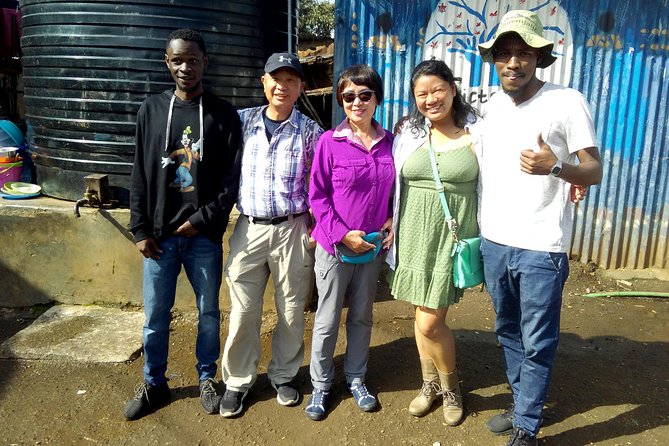
At Victorious Craft Shop, you see domestic animal bones recycled into jewelry and ornaments, often combined with brass and other materials. This is one of the tour’s more unusual stops because it focuses on skill and resourcefulness rather than poverty.
The craft work gives you a different way to understand local livelihoods. Materials that might otherwise be discarded become wearable objects or small decorations. The stop also gives you a chance to meet makers and support a local business if you find something you genuinely want to buy.
There is an important practical point here. The route includes visits to craft shops, and some people may feel pressure to purchase. You are not required to buy anything. Ask the price clearly, take your time, and make a choice that feels comfortable. Transparent prices would make this part easier for everyone, so do not be shy about asking what an item costs before showing interest.
A few more Nairobi trips worth comparing
- Nairobi National Park Half-Day Tour; Free Wi-Fi connection
★ 5.0 · 878 reviews - Nairobi: National Park & Optional Elephants & Giraffe Center
★ 4.8 · 874 reviews - NAI NAMI: Nairobi Storytelling Tour with Street Children
★ 5.0 · 792 reviews - Nairobi National Park Half-Day Game Drive
★ 4.5 · 738 reviews
The Power Women shop and community education

Another stop is the Power Women shop, where women educate young girls about HIV and AIDS. This adds a social and educational element to the route. You are not only seeing commercial activity. You are also learning about local efforts to protect and inform young people.
The stop may be especially meaningful if you want to understand how community support works beyond formal institutions. The exact time spent there can depend on the group and the day, but the guide can explain the role of the women and answer questions in English.
As with the craft shop, listen carefully and avoid turning a serious subject into a quick photo stop. The value here comes from hearing how local people respond to health and social challenges in their own community.
Inside a Kibera family home
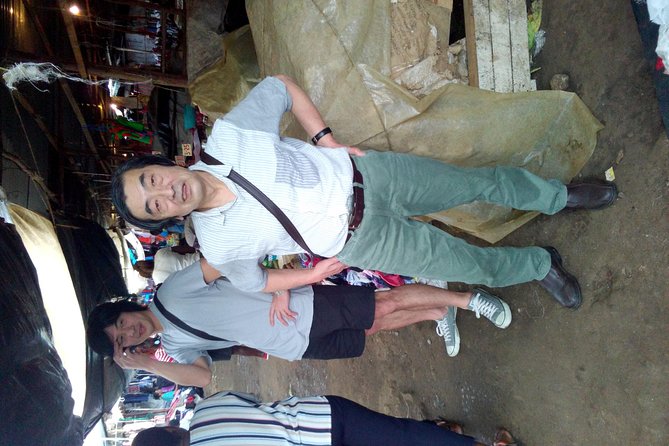
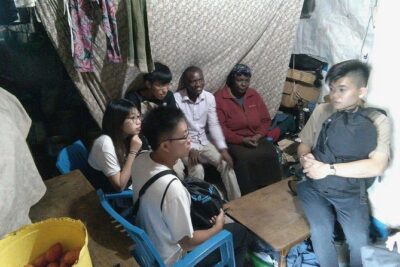
The home visit is the most personal part of the experience. You enter a guide’s family home and meet relatives, including the family of the guide on duty. This gives you a chance to see how domestic life is arranged in a small space and to talk about ordinary routines that are easy to miss from the street.
The visit has received particularly warm attention because it connects the wider story to one family. You may meet the guide’s mother or other relatives, depending on who is at home that day. The welcome can be warm and informal, but remember that you are entering someone’s private space. Ask before taking pictures and accept a no without fuss.
This is also where the tour requires the most sensitivity. Do not expect a staged home, polished presentation, or a neat explanation for every feature. The point is to see a real household and listen to the guide’s account of life there.
The old railway line and Kibera from above

The walk reaches a raised point near the old colonial railway line. From here, you can look across Kibera and begin to understand its size. The view helps connect the narrow paths and individual homes to the much larger settlement described by the guide.
This is likely to be one of the strongest photo stops, but it also gives the tour some needed perspective. You can see how homes, roads, market areas, water points, and other services fit together. The guide may also discuss electricity, sanitation, water access, and the practical issues residents face.
The route to the viewpoint can be uneven. One older participant who used walking sticks was helped carefully along muddy paths and steps, but you should not assume the same level of mobility support is available for every group. Tell the operator about mobility concerns before booking. The experience is not suitable for wheelchair users, and it is not designed for anyone who cannot manage a substantial walk.
Hope and Shine Kibera Centre
The school visit is the final major stop and one of the clearest reasons to book this particular tour. Thirty percent of the tour fee supports Hope and Shine Kibera Centre, which hosts more than 40 children. You can see the school, meet some of the children, and learn how the center is being developed.
This changes the meaning of the price. You are still paying for a guided experience, but part of that money remains in the community. The school visit makes that contribution visible rather than abstract.
You should keep your expectations practical. This is not a large museum or a formal educational tour. It is a local center working with limited resources. That is precisely why the visit can feel important, but it also calls for respectful behavior. Follow the guide’s direction around children, ask before taking pictures, and avoid handing out gifts directly unless the team has approved the plan.
If you want to bring useful items, books, coloring supplies, or T-shirts have been welcomed in the past. Coordinate first so that donations are suitable and fairly handled.
Safety, walking conditions, and personal comfort
Safety is included, and the guides stay with you throughout the tour. Several guides, including Lucas, Peter, Effie, and Elijah, have helped people feel at ease, including solo women and older people. That does not mean you should ignore normal city precautions. Keep valuables secure, follow the guide, and avoid wandering away from the group.
The ground is the main physical challenge. Expect dirt paths, uneven surfaces, and the possibility of wet or muddy sections. Comfortable closed shoes are a sensible choice. Bring water, protect yourself from the sun, and carry only what you need.
The route can be adapted to individual interests, and guides have allowed extra time for photographs or questions. Still, flexibility has limits. If you have serious mobility needs, speak with the provider before booking rather than relying on an adjustment on the day.
The tour is not suitable for wheelchair users. The stated age restriction excludes people over 95, but the more useful question is whether you can manage a long walk on rough ground.
Is $35 good value?
For a short walking tour, $35 may seem high compared with a basic neighborhood guide. The comparison changes when you consider what is included. You receive a local guide, a planned route, safety support, entry, a home visit, a school visit, and access to people and places you would not sensibly find alone.
The 30 percent school contribution is the strongest value point. You should not treat it as a reason to ignore the experience itself, but it gives the booking a direct community purpose. You are also helping pay local guides rather than handing money to a distant operator.
The craft-shop stops may affect your view of value. Some people will appreciate the chance to buy locally made jewelry. Others will dislike the sales element. You can enjoy the craftsmanship without purchasing, and you should feel free to say no politely.
Free cancellation up to 24 hours before the activity and the option to reserve now and pay later make booking less rigid. These are useful if your Nairobi plans are still shifting, though you should confirm the exact start time when checking availability.
Who should book this Kibera tour?
I would recommend it to you if you want a direct, community-led look at Nairobi and are willing to walk, listen, and accept some discomfort. It suits solo visitors, couples, families with older children, and anyone interested in local commerce, education, and daily life rather than only major sights.
It is also a good match if you want your spending to support a local project. The school contribution gives the tour a clearer social purpose than a sightseeing walk with no local benefit.
I would hesitate if you want a polished, tightly scripted attraction, dislike entering private homes, or feel uncomfortable around poverty-focused tourism. You should also choose another activity if you need step-free access or cannot manage uneven paths.
Should you book it?
Book this tour if you want to meet Kibera through local guides and community projects rather than from a vehicle or distant viewpoint. The strongest parts are the guide’s personal connection, the family home, the raised view near the railway, and the school supported by 30 percent of the fee.
Go with respect, sturdy shoes, and realistic expectations. You may leave thinking less about dramatic photographs and more about the people, work, and community effort behind the neighborhood. For many visitors, that is the real value of spending three hours with Lucas and his team.
FAQ
Where does the Kibera tour start?
The meeting point is at the entrance of Greenhouse Mall on Ngong Road. The team welcomes you there and explains the tour plan and expectations.
How long does the experience last?
The activity is advertised as lasting three hours. The route includes walking, stops, photography, shopping opportunities, and scenic views, so confirm the exact timing and finish point with the guide.
Who leads the tour?
The guides are born and raised in Kibera. Guides named in the experience include Lucas, Effie, Peter, and Elijah. The tour is conducted in English.
Does the tour support a local school?
Yes. Thirty percent of the tour fee supports Hope and Shine Kibera Centre, a local school that hosts more than 40 children.
What should I bring?
Bring comfortable shoes and a camera if you want to take photographs. Because the route includes uneven or muddy ground, practical walking footwear is important.
Is the tour suitable for wheelchair users?
No. The experience is not suitable for wheelchair users. It also has a stated restriction against people over 95 years old.
Just added around Nairobi
- Visit kibera Slum the chocolate city★ 4.8 · 3 reviews
- Day Tour to Nairobi national park, Elephants, and Giraffe Center★ 3.5 · 8 reviews
- Explore local Market matatu ride & Make Kenyan Cuisines with a home cook★ 5.0 · 8 reviews
- Kibera Slum Tour with a Local★ 5.0 · 15 reviews
- Urban Forest Tour in Nairobi★ 5.0 · 7 reviews
- Vegans special safari★ 4.5 · 4 reviews
- Private Mini Safari Tour in Nairobi★ 5.0 · 6 reviews
- Private Kenyan Cooking Class in Nairobi with a Local★ 5.0 · 3 reviews
Kibera Slum Tours, compared.



Nairobi: Kibera Slum Tour with Local Social Entrepreneurs
Read our review →



Memorable Daily KIBERA Slums/Toi Market Tour with Locals (2 hours)
Read our review →Browse the lists this tour appears in