

Reviewed · KIBERA SLUM TOURS
Nairobi: Kibera Slum Half-Day Guided Tour With Pick-up
Kibera is best understood on foot, with a local guide who can explain the people, businesses, and community work behind Nairobi’s largest informal settlement. This is not a quick photo stop. You spend about three hours walking, tasting local snacks, meeting residents, and visiting projects that support youth, women, and families.
I like the community focus and the chance to see work that often stays out of sight, from artisan workshops to small social projects. I also like the practical value: at $24 per person, with transport, water, and portable Wi-Fi included, the tour gives you a lot of context for a modest price.
The main consideration is that Kibera is a working neighborhood, not a staged attraction. Walking conditions may feel demanding, privacy matters, and some visitors may find the subject difficult. Go with humility, ask before taking photographs, and let the guide set the tone.
Key points to know before you go

- Three hours inside Kibera: Most of the visit is spent walking through streets, markets, workshops, and community projects rather than sitting in a vehicle.
- Local guides lead the way: Tours are offered in English, French, and Swahili. David is one guide connected with the experience, but your assigned guide may differ.
- A private group setting: You are not placed in a large shared group, which allows more room for questions and a calmer pace.
- Community projects are central: Schools, youth programs, and women’s empowerment groups help explain how residents respond to local challenges.
- Transport is part of the value: Hotel pickup and drop-off, bottled water, and portable Wi-Fi are included, while airport-area pickup costs an additional $25.
- Food is an optional extra: Local snacks and food tasting appear during the walk, but meals and drinks are not included.
Why a Kibera walk offers more than sightseeing
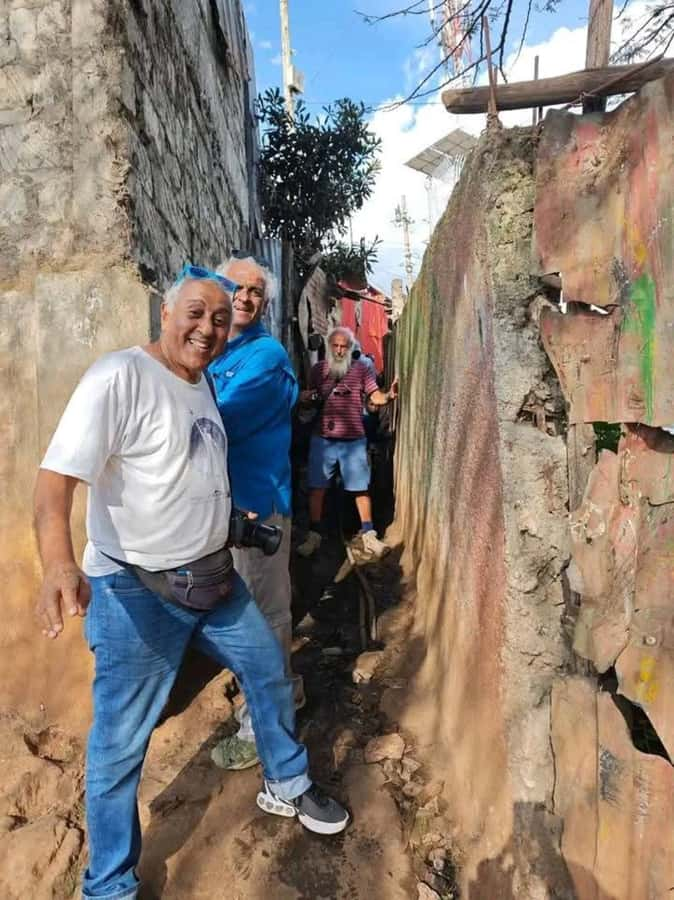
A visit to Kibera can easily be handled badly. A vehicle can roll through, cameras can point at people, and visitors can leave with little more than a collection of uncomfortable images. This experience takes a different route by placing local guides, small businesses, and community work at the center.
Your guide introduces Kibera’s past and present, then helps you read what you see. The point is not simply that resources are limited. The point is how people create businesses, teach children, train young people, make crafts, and organize support with what they have.
That context matters. You see daily life, but you also hear about the choices and effort behind it. A small shop is not just a shop. An artisan workshop is not only a place to buy something. Each stop can show how residents earn money, pass on skills, or support neighbors.
I appreciate that part of the proceeds is intended to aid local projects. You should still ask your guide which initiatives are currently being supported, since community work can change. The important value here is a direct connection between your visit and locally directed efforts, rather than a tour that treats the area as a backdrop.
More guided Kibera walks:
- Nairobi: Explore Kibera Slum with Local Guides
★ 4.9 · 365 reviews - Kevins Kibera Slum Tours
★ 5.0 · 213 reviews - Nairobi: Kibera Slum storytelling tour with a Local
★ 5.0 · 185 reviews
Starting at Prestige Plaza or arranging pickup
The standard meeting point is outside Java House inside Prestige Plaza Shopping Mall on Ngong Road. This gives you a clear place to meet if you are making your own way there.
Hotel pickup and drop-off are listed as included, but the exact pickup arrangement depends on the option selected. Confirm the address and pickup time when booking. If you are coming from the airport or an area around the airport, pickup is available for an additional $25.
That extra fee can make sense if you are short on time or staying close to the airport. If you are already in central Nairobi and can reach Prestige Plaza easily, the standard arrangement may be better value.
The tour lasts three to four hours, with roughly three hours devoted to Kibera itself. Starting times depend on availability, so check the schedule rather than assuming a fixed departure. Allow a little flexibility around transport, since the tour involves both city transfers and a walking visit.
The first steps into Kibera

The walk begins with a safety briefing and an introduction to the neighborhood. This is an important part of the experience, not a formality. Kibera is a dense residential area where you need to stay with your guide, pay attention to your surroundings, and follow local instructions.
Your guide explains the challenges faced by residents as well as the strength of local networks. The balance is useful. You are not shown only hardship, and you are not given a polished version that ignores hardship. Instead, you get a look at how ordinary routines continue under difficult conditions.
Expect streets and paths rather than a conventional sightseeing route. The tour description includes walking, passing through local areas, food markets, and arts and crafts markets. Wear shoes suited to several hours on foot and clothing that lets you move comfortably.
You may want to carry as little as possible. Bottled water is included, and portable Wi-Fi is also provided. Keep your phone and other items secure, and follow the guide’s advice about where and when photography is appropriate.
Small businesses, food stalls, and local enterprise
One of the strongest parts of the route is its attention to small businesses. You might visit local shops, meet people who earn their living through informal trade, and see how entrepreneurship fits into daily life.
This changes the way you understand the area. Kibera is not only a place where people need help. It is also a place where people work, sell, build, create, and solve problems. The tour gives those activities proper attention.
Food is part of the walk, too. Local snacks and food tasting may be included along the route, with a possible visit to a food market. Meals and drinks are not included, so treat the tasting as a small part of the visit rather than a full lunch.
Ask your guide what you are being offered and how much anything costs before buying. That keeps the exchange clear and gives you a chance to choose what suits you. If you have food restrictions, explain them before accepting samples. The available details do not specify dietary accommodations.
For many people, the food market will be one of the more memorable stops because it gives you a direct link to ordinary routines. Still, do not assume every item will be available on every departure. The route may vary with local conditions and the projects open that day.
More Half-Day Tours in Nairobi:
- Nairobi National Park Half-Day Tour; Free Wi-Fi connection
★ 5.0 · 878 reviews - Nairobi National Park Half-Day Game Drive
★ 4.5 · 738 reviews - Half-Day Nairobi National Park Safari from Nairobi with Free Pickup
★ 4.5 · 264 reviews - Nairobi National Park Full or Half-Day Tour with Guide
★ 4.7 · 217 reviews
Community projects that put people first

The tour may include schools, youth programs, women’s empowerment groups, and other social projects. These visits are where the experience moves beyond observation.
A school or youth program can show how local organizations respond to education and employment needs. A women’s group can help you understand the role of collective work and income generation. You are not simply looking at problems from outside. You are learning about residents building their own answers.
Some departures include visits to local homes. This can offer a more personal view of daily life, but it also requires extra care. A home is not a public exhibit. Follow the guide’s lead, do not wander, and ask before photographing people or interiors.
The description promises respectful engagement, but your own behavior still matters. Listen more than you speak. Avoid pressing people for painful stories. If someone does not want to talk or be photographed, accept that without making it awkward.
These small choices help keep the visit human. They also make the conversations more useful because people are more likely to share naturally when they are treated with ordinary courtesy.
Artisan workshops and the arts and crafts market

The arts and crafts side of the route adds a creative note to the tour. You might see people making goods, learn how their skills support households, and browse work at a local market.
This can be a good place to buy a practical souvenir, but buying is not required. If you do want something, ask the guide how to purchase respectfully and whether the money goes directly to the maker or seller. The experience includes artisan workshops and an arts and crafts market, but it does not promise a particular product or a fixed shopping stop.
The workshops are also valuable if you are not interested in shopping. They show how skill and imagination become income. That detail is easy to miss when you focus only on the physical conditions around you.
Keep your expectations flexible. This is a community visit, not a formal craft demonstration with a guaranteed production schedule. You may see work in progress, speak with artisans, or simply pass through a market area depending on the day.
What a private group changes

The tour is offered as a private group experience. That is a real benefit in a place where the quality of the visit depends heavily on tone and timing.
A private group gives you more space to ask questions about history, community projects, business, and daily life. You can also discuss sensitive subjects without trying to compete with a large crowd. For families or friends, it is easier to agree on a respectful pace.
The exact group size is not provided, so do not assume this means a one-person tour. Ask how many people will be in your private booking if that affects your decision.
The guide’s role is especially important. Tours are available in English, French, and Swahili. One named guide associated with the experience is David, who was singled out for being a great guide, but guide assignments can vary. If language or a particular guide matters to you, confirm it before paying.
Is $24 good value?
At $24 per person, this is an inexpensive way to spend half a day in Nairobi. The price includes the guided walk, hotel pickup and drop-off, bottled water, and portable Wi-Fi. It also includes access to a local guide who can add meaning to what you see.
The value is strongest if you want interpretation and conversation, not just transport. You are paying for several hours of local orientation, a private group format, and visits connected with community work.
The price does not include personal expenses, meals, or drinks. Budget a little extra if you want food beyond the included tasting or hope to buy crafts. Airport-area pickup costs $25, which is separate from the listed tour price.
The claim that part of the proceeds supports local initiatives is another reason the price may feel worthwhile. Still, I would ask what support means in practice and which projects are involved. A clear answer helps you decide if the tour matches your approach to community-based tourism.
Who will appreciate this experience most?
This tour suits you if you want to understand Nairobi through local voices and are comfortable with a serious subject. It is a good choice for visitors who value social history, small businesses, food markets, craft work, and community programs more than polished attractions.
It can also work well for first-time visitors who want a local guide to explain the city’s social contrasts. The pickup option removes some of the fuss, while the private format gives you room to ask direct questions.
You may want to choose another activity if you prefer a relaxed sightseeing trip with little walking or if you dislike visiting residential neighborhoods. Kibera is a real community, and parts of the visit may feel confronting. That is not a flaw in itself, but it is a reason to choose carefully.
Families should consider the ages and interests of their children. The experience includes local life, food, and crafts, but it also addresses poverty and community challenges. The available information does not specify a minimum age or a child discount.
Practical advice for a respectful visit
Dress simply and comfortably. Choose shoes for several hours of walking, and avoid carrying valuables that you do not need.
Ask before taking photographs, especially of individuals, homes, children, and community activities. A photograph may feel like a quick travel moment to you, but it can feel very different to the person in it.
Bring questions, but do not turn people into sources of spectacle. Ask about work, education, community programs, crafts, and everyday routines. Give people time to answer, and accept a no without pushing.
Use the guide as your main source of direction. Stay with the private group, follow the safety briefing, and ask where it is appropriate to stop. These simple habits help protect both you and the people who live there.
The experience includes bottled water and portable Wi-Fi, which are useful extras. You still need to plan for personal spending and any food or drinks not included in the tasting.
Cancellation is flexible: you can cancel up to 24 hours before the activity for a full refund. You can also reserve now and pay later, which helps if your Nairobi schedule is still moving around.
Should you book the Kibera half-day tour?
Book it if you want a guided, people-focused look at Nairobi and are ready to approach Kibera with care. The mix of local stories, community projects, small businesses, food markets, and crafts gives the visit more substance than a drive-by view.
The strongest reason to choose it is the local focus, backed by a private group and a guide who can explain what you are seeing. The main caution is simple: this is not light sightseeing. You should be comfortable walking through a working neighborhood, hearing about real challenges, and following careful rules about privacy.
At $24, the tour offers solid value, especially with hotel transport and water included. Confirm your pickup details, language, group size, and airport fee before booking. If those points fit your plans, this is a useful way to spend half a day learning about Nairobi through the people who call Kibera home.
FAQ
How long does the Kibera tour last?
The experience lasts three to four hours. About three hours are allocated to the Kibera visit itself.
What languages are available?
The live guide can provide the tour in English, French, or Swahili.
Is the tour private?
Yes. The activity is offered for a private group.
Where is the meeting point?
The meeting point is outside Java House inside Prestige Plaza Shopping Mall on Ngong Road.
Is hotel pickup included?
Hotel pickup and drop-off are included when you select an option that provides them. Confirm the pickup details for your booking.
Is airport pickup available?
Yes. Pickup from the airport or the area around the airport is available for an additional $25.
What is included in the price?
The tour includes a guide, hotel pickup and drop-off where selected, bottled water, and portable Wi-Fi.
Are meals and drinks included?
No. Meals and drinks are not included. The route may include local snacks and food tasting.
Can I cancel for a full refund?
Yes. You can cancel up to 24 hours in advance for a full refund.
Just added around Nairobi
- Visit kibera Slum the chocolate city★ 4.8 · 3 reviews
- Day Tour to Nairobi national park, Elephants, and Giraffe Center★ 3.5 · 8 reviews
- Explore local Market matatu ride & Make Kenyan Cuisines with a home cook★ 5.0 · 8 reviews
- Kibera Slum Tour with a Local★ 5.0 · 15 reviews
- Urban Forest Tour in Nairobi★ 5.0 · 7 reviews
- Vegans special safari★ 4.5 · 4 reviews
- Private Mini Safari Tour in Nairobi★ 5.0 · 6 reviews
- Private Kenyan Cooking Class in Nairobi with a Local★ 5.0 · 3 reviews
Kibera Slum Tours, compared.



Nairobi: Kibera Slum Tour with Local Social Entrepreneurs
Read our review →



Browse the lists this tour appears in