

Reviewed · KIBERA SLUM TOURS
Mathare Community Slum Tour
Mathare is not presented as a backdrop for photographs. This community-led tour takes you into one of Nairobi’s oldest informal settlements, where local residents explain daily life, public health challenges, and the work being done by people who live there. A visit inside the homes of local mothers adds a personal touch that a standard city tour cannot offer.
I like the private format, since your group can focus on questions and move at a pace that suits you. I also like that the money you spend may support local craft sellers and community guides. The main concern is communication: one paid customer reported being unable to reach the organization by WhatsApp before the tour and advised caution, so confirm your arrangements in advance.
Key points to know
- Private community visit: Only your group participates, with the experience led by Jijenge Community Slum Tours.
- Two to three hours in Mathare: The tour includes community walks, local homes, public health discussions, and craft shopping.
- A personal look at daily life: You may visit the homes of local mothers and hear about the pressures facing Mathare residents.
- Handmade goods are part of the visit: Beadwork and other crafts offer a respectful way to support local makers.
- Simple practical setup: Meet and finish at Ushindi East Avenue, with bottled water provided.
- Strong overall rating, but confirm contact details: The experience has a 4.6 rating from nine reviews, alongside one serious complaint about failed communication.
Why Mathare makes a different kind of Nairobi tour

Mathare gives you a side of Nairobi that most sightseeing routes skip. It is described as Kenya’s oldest informal settlement and is also one of the city’s largest. The tour is built around meeting people who live and work there, not simply walking past crowded streets and taking pictures.
That difference matters. A community visit should help you understand how people manage housing, health, family life, work, and local support networks. Here, the stated focus includes HIV and other public health crises, subjects that can feel uncomfortable but are important if you want a fuller view of the city.
I would approach this tour with respect and patience. Mathare is a residential community, not an open-air museum. Listen carefully, ask before taking photographs, and let your guide explain what is appropriate. The information provided does not set out a photography policy, so you should not assume that pictures of homes or residents are acceptable.
The experience lasts about two to three hours. That is long enough for a meaningful introduction without taking up an entire day in Nairobi. You will not cover every part of Mathare, and you should not expect a full social or economic study. Think of it as a guided introduction shaped by local voices.
More guided Kibera walks:
- Nairobi: Explore Kibera Slum with Local Guides
★ 4.9 · 365 reviews - Kevins Kibera Slum Tours
★ 5.0 · 213 reviews - Nairobi: Kibera Slum storytelling tour with a Local
★ 5.0 · 185 reviews
Starting at Ushindi East Avenue
Your meeting point is Ushindi East Avenue in Nairobi. The tour begins and ends there, which keeps the arrangement fairly simple. You are not left wondering where the activity finishes or how to collect luggage, return to a hotel, or meet a driver elsewhere.
The area is near public transportation, though no specific bus route or fare is supplied. I would check the route before setting out and allow extra time for Nairobi traffic. The published operating hours run from 7:00 AM to 5:00 PM, Monday through Sunday, for the stated booking period.
A mobile ticket is accepted, and confirmation is sent when you book. Keep the ticket and the meeting details easy to reach on your phone. Because one customer had trouble getting a response through WhatsApp, I would also save the provider’s contact information and confirm the meeting time ahead of the 24-hour cancellation deadline.
The provider is Jijenge Community Slum Tours. No individual guide names are provided, so you should not expect to choose a particular guide. The important point is that this is described as a private activity, meaning only your own group takes part rather than joining a large coach party.
Walking through Mathare with local hosts
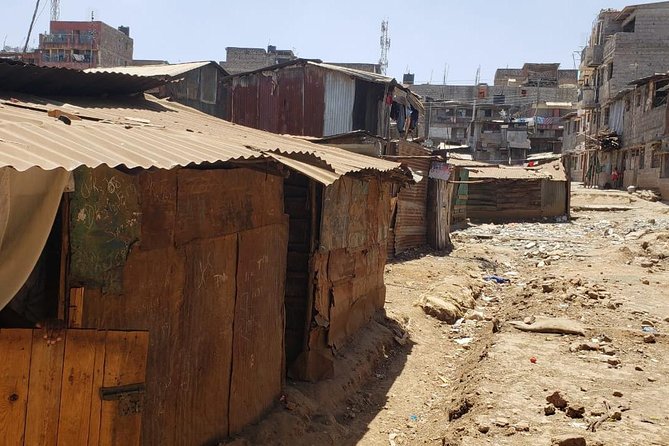
The central part of the tour is a guided walk through the community. You will hear an insider’s account of Mathare and the challenges faced by residents. The exact route is not specified, and that is probably sensible. Local conditions, community events, weather, and the needs of residents may affect where the guide takes you.
A local host can explain details that are easy to miss when you walk alone. The tour may help you understand how people use the spaces around their homes, how local businesses operate, and how families cope with limited resources. The supplied information does not promise a particular school, clinic, church, market, or project, so do not book expecting a fixed list of named sights.
The value is in the conversation. You get a direct account of Mathare rather than a general lecture about poverty in Kenya. That can make the visit more specific and more human, but it also means the experience may depend on the guide, the day, and the questions your group brings.
I would prepare a few thoughtful questions before arriving. Ask how the community has changed, what public health problems are most pressing, and how local families find support. Keep questions open and avoid treating hardship as entertainment. You will get more from the visit if you listen instead of trying to fill every quiet moment.
Visiting local mothers in their homes
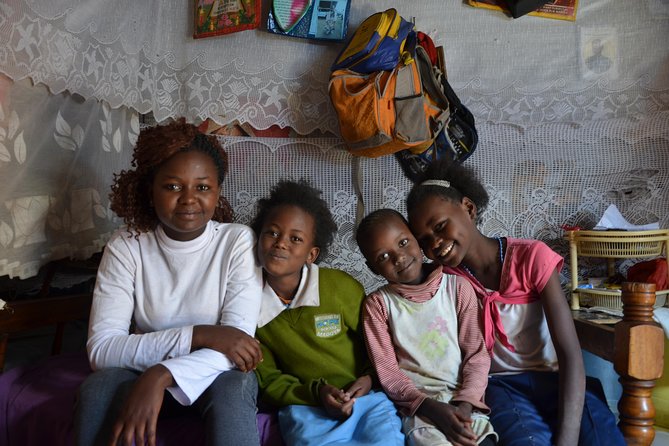
One of the most personal elements is a visit inside the homes of local mothers. This takes the tour beyond a walk through public streets. You may gain a clearer sense of household life and hear personal stories about family, health, and the responsibilities carried by women in the community.
This part deserves particular care. A home is a private space, even when a visit has been arranged. Follow the guide’s instructions, ask permission before taking photographs, and do not handle belongings or wander into rooms without being invited.
The listing does not identify the mothers by name or explain how long the home visits last. It also does not say that every booking includes the same number of homes. Treat this as an expected feature of the tour, but understand that the details may vary.
The visit can be valuable because it gives a face to topics such as HIV and public health. Those subjects are often reduced to statistics. A conversation with local women can show how health problems affect families and how community members respond. At the same time, personal stories should not be treated as a product. You are paying for a guided experience, not for access to someone’s private life without limits.
A few more Nairobi trips worth comparing
- Nairobi National Park Half-Day Tour; Free Wi-Fi connection
★ 5.0 · 878 reviews - Nairobi: National Park & Optional Elephants & Giraffe Center
★ 4.8 · 874 reviews - NAI NAMI: Nairobi Storytelling Tour with Street Children
★ 5.0 · 792 reviews - Nairobi National Park Half-Day Game Drive
★ 4.5 · 738 reviews
Understanding HIV and public health in Mathare
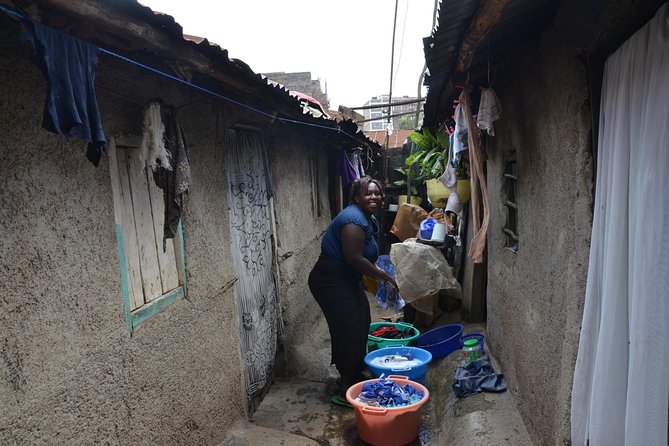
The tour specifically addresses the impact of HIV and other public health crises. This is one of its strongest educational features. It gives you a chance to learn how health concerns shape everyday life in an informal settlement, rather than hearing only about Nairobi’s tourist sites.
The description does not promise a medical lecture, clinic visit, or meeting with a health professional. You should expect stories and explanations from community members and guides. If you have a particular interest in HIV services, sanitation, maternal health, or local clinics, ask the provider in advance if the tour can address those subjects.
The topic may be difficult. A good approach is to listen without making assumptions about the people you meet. Mathare residents are not defined by poverty or illness. They are parents, workers, makers, neighbors, and community members who also face serious pressures.
I appreciate that the tour includes public health rather than avoiding difficult subjects. Still, the short duration limits how much can be covered. Two hours cannot explain every cause or solution. You will receive an introduction, not a complete account of Nairobi’s health system.
Beadwork, craft shops, and spending locally
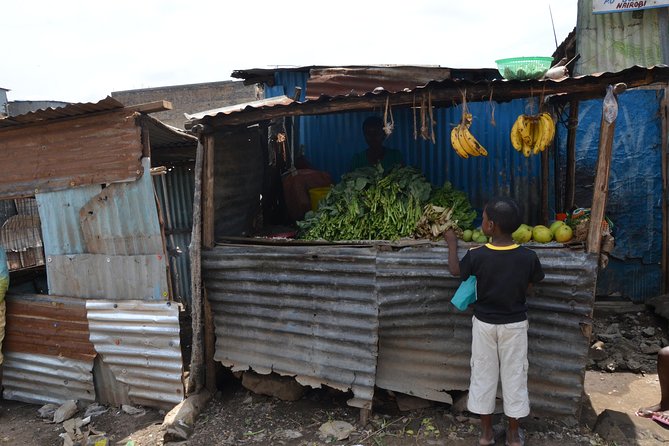
The route includes stops at local craft shops, with time to shop for handmade beadwork and other crafts. This gives the visit a practical ending and can direct some of your spending toward local makers.
Beadwork is also a more useful souvenir than a mass-produced trinket. You can ask who made an item, what materials were used, and how the purchase supports the seller. The information provided does not give prices, payment methods, or the exact range of goods, so bring a flexible attitude rather than a fixed shopping list.
You are not required to buy anything. A purchase can be a good way to support the community, but it should not turn the visit into a sales stop. Take your time, compare items, and buy only what you genuinely want. If you do purchase something, handle the transaction politely and avoid aggressive bargaining over a small handmade item.
The craft stop also changes the rhythm of the tour. After serious conversations about health and housing, shopping can feel like a lighter activity. That contrast may be helpful, though some visitors may find it abrupt. The experience works best when you see the craft stop as part of local economic life, not as a separate tourist add-on.
Is $25.65 good value for a private Mathare tour?
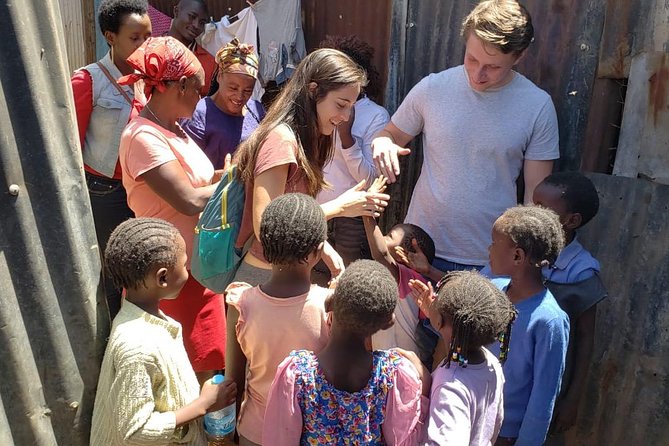
At $25.65 per person, the price is modest for a private two to three-hour activity in Nairobi. You are paying for a local guide, a community-focused route, and the chance to meet residents in a small group. Bottled water is included, which is a minor but useful comfort in a warm city.
The value depends on what you want. If you are looking for famous buildings, polished attractions, or a long list of sightseeing stops, this is not the right purchase. If you want direct contact with a Nairobi community and are willing to spend time listening, the price is reasonable.
Because the activity is private, it may offer better conversation than a large group tour. You can ask follow-up questions and avoid being rushed by a crowd. The available information does not say how many people can be in one private booking, so check the maximum group size if you are traveling with several friends or relatives.
Your shopping costs are separate. The ticket includes the tour and bottled water, but not beadwork or other crafts. Transportation to and from Ushindi East Avenue is also not listed as included. Budget for both if you are coming from another part of Nairobi.
Timing, weather, and the practical details

The advertised duration is approximately two to three hours. The highlights call it a private two-hour tour, so allow closer to three hours if you have another appointment afterward. A little flexibility is wise because community visits do not always run like tightly timed museum tours.
The activity operates from 7:00 AM to 5:00 PM, Monday through Sunday. The time slot available to you will depend on booking arrangements. Earlier hours may be more comfortable in warm weather, but the provided information does not identify a best departure time.
Good weather is required. If poor weather causes cancellation, you will be offered another date or a full refund. The tour also requires a minimum number of participants, and if that condition is not met, you will be offered a different date or experience or receive a full refund.
Most people can participate, and the meeting point is near public transportation. No detailed accessibility information is supplied. If you have mobility needs or concerns about walking conditions, contact Jijenge Community Slum Tours before booking rather than assuming the route will suit you.
Free cancellation is available up to 24 hours before the start time. Canceling later, or making changes less than 24 hours before the start, does not qualify for a refund. Since the tour depends on weather and a minimum number of participants, keep an eye on messages before you leave.
The communication issue you should take seriously
The overall rating is 4.6 from nine reviews, which suggests the experience has worked well for most people who rated it. However, one serious complaint describes a customer trying to contact the organization through WhatsApp the day before and again on the day itself without receiving a response.
That complaint does not prove that every booking will have a problem. It does show why you should be practical. Confirm the date, time, meeting point, and contact method in advance. Save the confirmation on your phone, and do not wait until the last minute to ask an important question.
If you cannot reach the provider before the cancellation cut-off, consider your comfort level before proceeding. The free-cancellation rule is useful, but it only helps if you act at least 24 hours ahead of the start time.
Who will appreciate this Mathare experience?
I would recommend this tour to you if you want a direct, community-led look at Nairobi and are comfortable discussing poverty, health, and housing with sensitivity. It suits curious visitors who prefer conversations with local people to a checklist of monuments.
It can also work well for a private group, since you can talk freely and shape the discussion around your interests. Students, photographers, families with older children, and visitors interested in public health may find the subject matter especially useful, provided everyone in the group understands the need for respectful behavior.
I would think twice if you want an easy sightseeing outing with guaranteed attractions, polished facilities, or a tightly controlled schedule. The homes and community spaces are real places where people live, so the experience may feel confronting and less predictable than a standard city tour.
Should you book the Mathare Community Slum Tour?
Book it if you want to hear local perspectives, meet community members, understand the human effect of public health crises, and support craft sellers through a private visit. The $25.65 price is fair for two to three hours, and bottled water plus a private format add practical value.
Before paying, confirm the meeting arrangements and make sure the subject matter suits your group. Keep your expectations respectful, avoid treating Mathare as a photo stop, and allow time for the experience to unfold. With those conditions in place, Jijenge Community Slum Tours offers a useful way to see Nairobi through the people who live there.
FAQ
Where does the Mathare Community Slum Tour start?
The tour starts at Ushindi East Avenue, Ushindi E Ave, Nairobi, Kenya.
Where does the tour finish?
The activity ends back at the meeting point on Ushindi East Avenue.
How long does the tour last?
The tour lasts approximately two to three hours. It is also described as a private two-hour tour.
How much does the tour cost?
The listed price is $25.65 per person.
Is this a private tour?
Yes. Only your group participates in the private activity.
What does the tour include?
The experience includes a guided visit through Mathare, meetings with community members, a possible visit inside local mothers’ homes, craft shopping, and bottled water.
Can I shop for handmade crafts?
Yes. The tour includes stops at local craft shops where you can shop for handmade beadwork and other crafts.
Is the tour near public transportation?
Yes. The meeting point is described as being near public transportation.
Can I cancel for a full refund?
Yes, if you cancel at least 24 hours before the experience start time. Cancellations made less than 24 hours in advance are not refunded.
Just added around Nairobi
- Visit kibera Slum the chocolate city★ 4.8 · 3 reviews
- Day Tour to Nairobi national park, Elephants, and Giraffe Center★ 3.5 · 8 reviews
- Explore local Market matatu ride & Make Kenyan Cuisines with a home cook★ 5.0 · 8 reviews
- Kibera Slum Tour with a Local★ 5.0 · 15 reviews
- Urban Forest Tour in Nairobi★ 5.0 · 7 reviews
- Vegans special safari★ 4.5 · 4 reviews
- Private Mini Safari Tour in Nairobi★ 5.0 · 6 reviews
- Private Kenyan Cooking Class in Nairobi with a Local★ 5.0 · 3 reviews
Kibera Slum Tours, compared.



Nairobi: Kibera Slum Tour with Local Social Entrepreneurs
Read our review →



Browse the lists this tour appears in