

Reviewed · KIBERA SLUM TOURS
Visit kibera Slum the chocolate city
Kibera is not a sightseeing set piece. It is a working neighborhood where people live, trade, study, create, and organize. This 150-minute guided walk gives you a chance to meet local residents, hear about community efforts, and understand how Kibera fits into Nairobi’s rapid growth. I like the focus on local empowerment projects and the chance to learn from community leaders rather than simply look around from a vehicle.
I also like that the tour treats responsible conduct as part of the experience. You get historical context, cultural insight, and a closer look at education and skills programs. The main consideration is that the entrance fee and pickup are not included, so you need to arrange your own way to Equity Ayani and confirm the extra cost before booking.
Key Points About the Kibera Experience

- A 150-minute walking tour: You start at Equity Ayani, walk through Kibera, and return to the same meeting point.
- Community-led focus: The tour includes contact with local residents, community leaders, organizations, and social enterprises.
- More than sightseeing: You learn about education, skills training, community development, art, music, and small business.
- A guide-led introduction: A live guide explains Kibera’s growth and place within Kenya’s wider urban challenges.
- Several language choices: Guides may be available in English, Chinese, Esperanto, German, Italian, Spanish, or French.
- A flexible booking policy: You can cancel up to 24 hours before the tour for a full refund and reserve now while paying later.
Starting at Equity Ayani

The tour begins at Equity Ayani, which is also where you return after the walk. This simple out-and-back plan is useful because you do not need to learn a second meeting point or arrange a separate ride at the end.
Pickup is not included. You will need to reach Equity Ayani on your own, so allow enough time to arrive before the stated start time. The activity details do not give a pickup radius, transport option, or exact meeting instructions beyond the starting point. I would confirm the precise meeting location with Royal Safaris before setting out.
The tour lasts two and a half hours. That is long enough to move beyond a quick roadside view, but short enough to fit into a busy Nairobi day. You should expect a walking experience rather than a vehicle tour, since the planned activity includes sightseeing and walking through Kibera.
More guided Kibera walks:
- Nairobi: Explore Kibera Slum with Local Guides
★ 4.9 · 365 reviews - Kevins Kibera Slum Tours
★ 5.0 · 213 reviews - Nairobi: Kibera Slum storytelling tour with a Local
★ 5.0 · 185 reviews
Walking Through Kibera With Context
The most useful part of this experience is the explanation that comes with what you see. Kibera is presented through its history, development, and place in Kenya’s wider story of urbanization and social pressure.
That context matters. Without a guide, it would be easy to reduce the area to poverty alone. The tour aims to show something broader: a community dealing with serious challenges while also building schools, social programs, businesses, art, and local initiatives.
You will hear about the experiences of residents and the issues they face. The activity description does not promise a fixed list of stops, so the exact route and conversations may vary. That is worth remembering if you prefer a rigid sightseeing schedule. Here, the value comes from the people and projects available on the day.
A good guide should help you understand what you are seeing without turning residents into objects of curiosity. The responsible tourism element is especially important in a place where photographs and casual comments can easily feel intrusive. The tour emphasizes respect, understanding, and support for local work.
Meeting Residents and Community Leaders

Community engagement is at the center of the walk. You may speak with local residents and community leaders about their daily lives, local initiatives, and the difficulties facing Kibera.
This is different from simply passing through a neighborhood with a guide pointing out buildings. Conversations can give you a better sense of how residents view their own community and how local groups respond to problems. The experience is designed to let you hear those perspectives directly.
You should keep your manner polite and low-key. Ask questions that allow people to explain their work and experiences, rather than treating the visit as a chance to collect dramatic stories. If photography is possible, ask permission first. The tour’s message about responsible conduct is not a minor extra. It is central to making the visit fair and worthwhile.
A useful detail is that the guide may introduce you to more than one kind of local voice. The program refers to community leaders, organizations, social enterprises, and residents. That gives the walk a broader purpose than a single guide’s commentary.
Education, Skills Training, and Local Enterprise
The tour includes visits to local organizations and social enterprises working in education, skills training, and community development. These projects help explain how residents and local groups try to create practical opportunities.
I find this focus more useful than a tour that only points out hardship. You may see how community work is organized and why education or job skills matter in an area facing limited resources. The exact organizations are not named, so I would not book this expecting a particular school, workshop, or social enterprise.
The benefit is the wider picture. Kibera is not shown only as a place with needs. It is also a place where people build responses to those needs. You can ask your guide which projects are operating during your visit and how visitors can support them responsibly.
The $25 price needs to be judged in that light. It is not simply a fee for a walk. It pays for a guide and a structured introduction to local work, while the program directs attention toward community initiatives. Since an entrance fee is listed separately and its amount is not provided, check the final cost before committing.
A few more Nairobi trips worth comparing
- Nairobi National Park Half-Day Tour; Free Wi-Fi connection
★ 5.0 · 878 reviews - Nairobi: National Park & Optional Elephants & Giraffe Center
★ 4.8 · 874 reviews - NAI NAMI: Nairobi Storytelling Tour with Street Children
★ 5.0 · 792 reviews - Nairobi National Park Half-Day Game Drive
★ 4.5 · 738 reviews
Art, Music, and the Business of Daily Life

Cultural life is another part of the walk. The tour includes Kibera’s art, music, and entrepreneurial spirit, giving you a chance to see more than the area’s difficult headlines.
The wording is broad, and no specific artist, performance, market, or business is guaranteed. Still, it tells you what the guide is expected to explain: how culture and enterprise help shape the community’s identity.
This can be one of the most rewarding parts if you stay curious. Look for the connections between creative work, income, local pride, and social programs. A discussion about music may reveal one kind of community story, while a small enterprise may show another.
You should not expect a polished cultural show. The appeal is that the experience takes place within the neighborhood rather than in a formal performance venue. The tradeoff is less predictability. What you encounter depends on the route, timing, and people available that day.
The Guide Makes the Difference
This tour depends heavily on the person leading it. A guide has to explain difficult subjects clearly, introduce you respectfully, and keep the walk from becoming either a lecture or a spectacle.
One guide connected with the experience is Daniel, who received strong praise for a kind and professional approach. That does not mean Daniel will lead every departure, so ask Royal Safaris if you have a specific guide in mind.
Live guiding is offered in English, Chinese, Esperanto, German, Italian, Spanish, and French. The booking details list these languages, but they do not say that every language is available at every start time. Confirm your preferred language before paying.
The tour has an overall rating of 4.8 from three ratings, including two five-star scores. That is encouraging, but the sample is small. I would treat it as a useful sign about guide quality, not as a guarantee that every departure will be identical.
What Two and a Half Hours Feels Like

The 150-minute length gives the walk room for explanation and conversation. A shorter visit might leave you with only a quick impression, while a much longer route could become tiring or emotionally heavy.
The plan is straightforward:
- Meet at Equity Ayani.
- Walk through Kibera with the guide.
- Take in views along the way and stop for sightseeing.
- Learn about local history, culture, organizations, and community projects.
- Return to Equity Ayani.
The phrase scenic views may sound unusual for an informal settlement, but it likely refers to what you can see along the route rather than a formal viewpoint. Do not interpret it as a promise of a panoramic lookout. The main attraction is the walk itself and the human context provided along the way.
Because the route is not described in detail, wear practical clothing and shoes suitable for walking. The supplied information does not specify pavement, stairs, toilets, shade, or weather arrangements, so you should ask about those points if they matter to you.
Responsible Tourism in a Marginalized Community
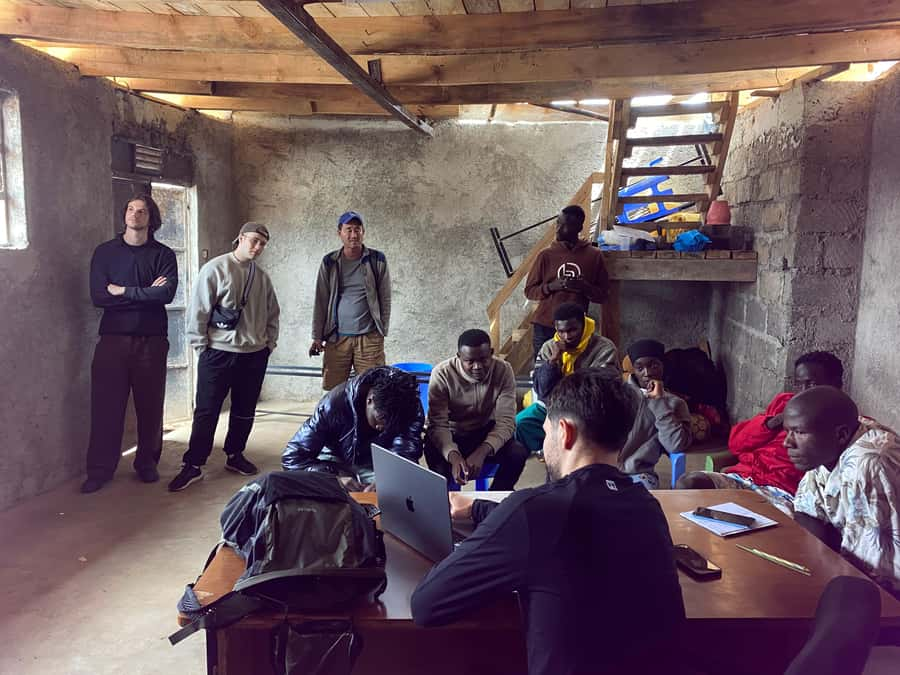
A Kibera visit requires more thought than an ordinary city tour. The tour directly addresses ethical behavior, respect, and support for local initiatives. That is a strong feature because it encourages you to consider how your presence affects the people you meet.
I would follow a few simple rules:
- Ask before taking photographs.
- Listen more than you speak.
- Avoid treating private homes or personal hardship as attractions.
- Keep conversations respectful and direct.
- Ask how purchases or donations can support local work.
- Follow the guide’s instructions about where to walk and what to observe.
The aim is not to pretend that the difficult parts of Kibera do not exist. It is to place them alongside local effort, culture, and ordinary life. That balance makes the experience more useful and more respectful.
You should also be honest about your reason for going. If you want a dramatic photo opportunity, this is the wrong tour. If you want a guided introduction to community life and the challenges of urban growth, it is a better fit.
Is the $25 Price Good Value?

At $25 per person, the tour is reasonably priced for a 150-minute guided experience, especially if the guide provides meaningful introductions to local groups and explains the area with care.
The value depends on what you expect. You are paying for a guide, a planned route, local interpretation, and access to community-focused conversations. You are not paying for transportation from your hotel, and the entrance fee is separate. The total cost is therefore higher than $25.
The biggest unknown is the entrance charge. Since no amount is provided, ask for a complete price before booking. Also confirm whether any contribution to a local organization is optional or included. Clear answers help you decide what portion of your money supports the tour and what portion goes elsewhere.
Reserve now and pay later can help if your Nairobi schedule is still changing. Free cancellation up to 24 hours in advance adds flexibility. These policies are useful, but they do not replace checking the route, language, meeting instructions, and extra fees.
Who Should Book This Walk?
I would recommend this experience to you if you want a serious, guided look at Nairobi’s community life and prefer meeting people and organizations over checking off monuments.
It is especially suitable for:
- First-time visitors seeking social and historical context.
- People interested in community development and local enterprise.
- Visitors who value guided conversations and cultural exchange.
- Anyone with about half a day to spare in Nairobi.
- Those comfortable with a walking tour whose exact stops may vary.
It may not suit you if you want a conventional sightseeing route, a guaranteed list of attractions, hotel pickup, or a highly polished cultural performance. The setting and subject require patience, respect, and an open mind.
Should You Book the Kibera Tour?
Book it if you want to understand Kibera through its people, projects, and daily culture rather than through headlines alone. The local focus, responsible tourism message, and 150-minute walking format give the experience a clear purpose.
Before booking, confirm the entrance fee, meeting details at Equity Ayani, available guide language, and whether Daniel is leading your departure. If those points work for you, the $25 guide fee offers a direct and thoughtful way to learn about one of Nairobi’s most important communities.
FAQ
Where does the Kibera tour start?
The tour starts at Equity Ayani.
Where does the tour finish?
You return to Equity Ayani at the end of the walk.
How long does the experience last?
The tour lasts 150 minutes, or two and a half hours.
What is included in the price?
A tour guide is included.
Is pickup included?
No. Pickup is not included, so you must reach Equity Ayani yourself.
Is the entrance fee included?
No. The entrance fee is not included, and the amount is not specified in the available details.
What languages may be available?
Live guides may be available in English, Chinese, Esperanto, German, Italian, Spanish, and French. Confirm your preferred language for your chosen departure.
Can I cancel the booking?
Yes. You can cancel up to 24 hours in advance for a full refund.
Can I reserve now and pay later?
Yes. The booking option allows you to reserve your place and pay later.
Just added around Nairobi
- Day Tour to Nairobi national park, Elephants, and Giraffe Center★ 3.5 · 8 reviews
- Explore local Market matatu ride & Make Kenyan Cuisines with a home cook★ 5.0 · 8 reviews
- Kibera Slum Tour with a Local★ 5.0 · 15 reviews
- Urban Forest Tour in Nairobi★ 5.0 · 7 reviews
- Vegans special safari★ 4.5 · 4 reviews
- Private Mini Safari Tour in Nairobi★ 5.0 · 6 reviews
- Private Kenyan Cooking Class in Nairobi with a Local★ 5.0 · 3 reviews
- Tour Giraffe Centre, David Shedrick, Karen Blixen & city tour.★ 5.0 · 3 reviews
Kibera Slum Tours, compared.



Nairobi: Kibera Slum Tour with Local Social Entrepreneurs
Read our review →



Browse the lists this tour appears in