

Reviewed · KIBERA SLUM TOURS
A Visit To KIBERA The Chocolate City.
Kibera is not a backdrop for a quick photo stop. It is a working neighborhood, and this tour gives you a local guide to explain its streets, homes, businesses, and daily routines. Musa and Moses are among the guides associated with the experience, and their personal connection to the area is its greatest strength.
I like two things here: the public transport ride makes the outing feel like a real part of Nairobi, not a sealed-off excursion, and the guide-led visits offer more than a walk past buildings. You may see a home, a factory, a food market, a pub, and local districts while hearing how residents make do with limited resources. The main consideration is that Kibera is crowded, uneven, and not suitable for everyone, especially wheelchair users, babies, very young children, or people with visual impairments.
Key points to know before you go
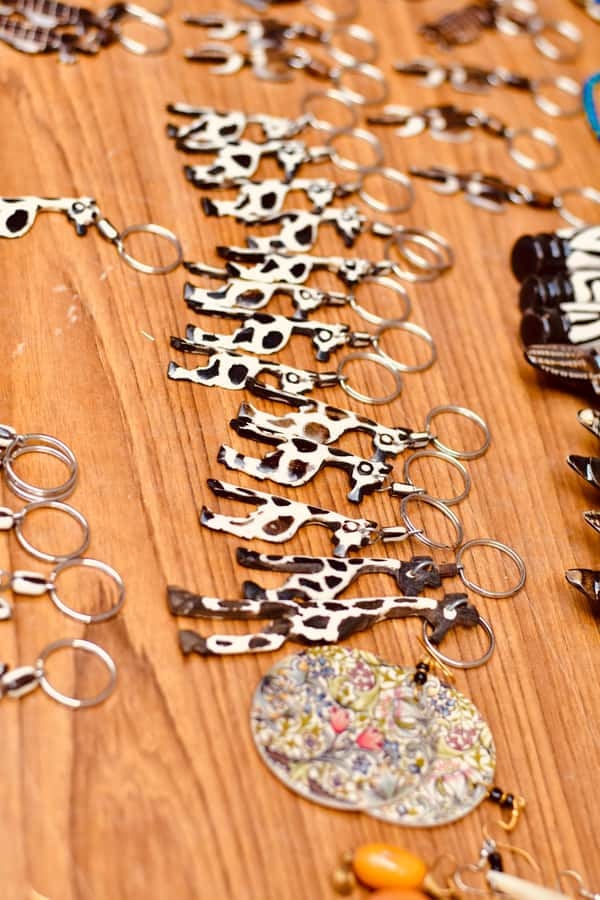
- A local guide leads the way: Guides such as Musa and Moses explain Kibera through personal experience and family connections.
- Public transport is part of the tour: You do not simply arrive by private vehicle and leave again. The journey helps place Kibera within Nairobi.
- The route begins at Olympic Primary School: Meet at the school’s main gate, with the tour finishing in Olympic Estate.
- The stops show everyday life: Expect walking, local snacks, a food market, sightseeing, and visits that may include a home, factory, or pub.
- The cost is $20 per person: For three hours with a local guide and transport included, this is a reasonable price for a short, people-focused experience.
- You need to follow local instructions: The outing is described as safe when you stay with the guide and follow the safety briefing.
Why this Kibera walk is different
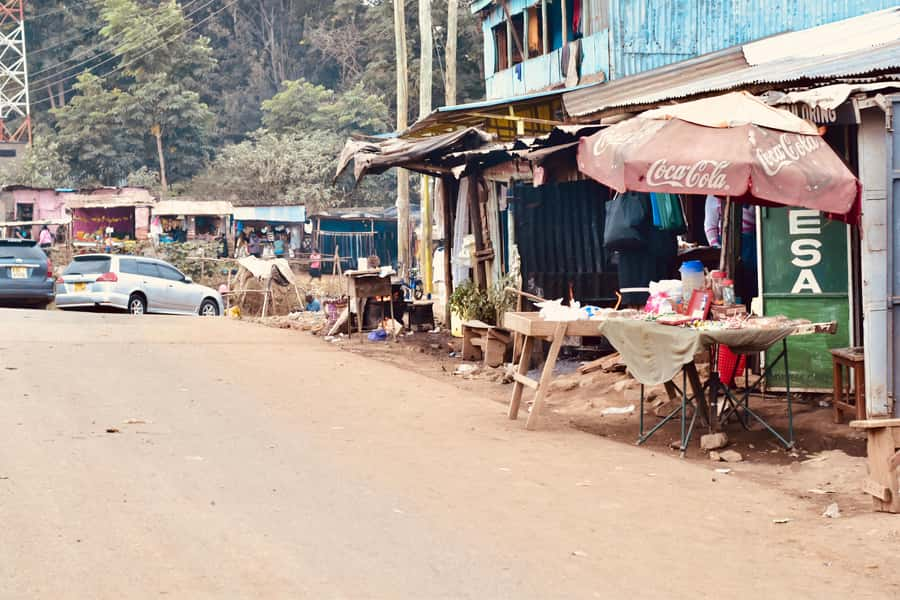
Many Nairobi tours focus on wildlife, museums, or grand city sights. Kibera offers something less polished and more direct: a look at how a large informal settlement functions from day to day.
That does not mean you should arrive expecting a spectacle. The point is not to gawk at poverty. A good visit asks you to pay attention to people’s work, resourcefulness, humor, routines, and hopes for better services. This experience aims to do that through a local guide who can explain what you are seeing and answer questions in context.
The word Chocolate City is used for the destination, but the tour is not built around a single attraction. Its value comes from the combination of walking, conversation, local transport, and small stops along the route. The guide’s role matters greatly. A guide who grew up in or remains closely tied to the community can explain details that you would miss on your own.
Past visitors have singled out Musa and Moses for their friendly manner and clear explanations. Musa has taken people through several parts of the settlement and shown them places connected to ordinary community life. One guide has also shared personal details about his home and family. That personal link gives the walk a more human focus than a simple overview of Nairobi’s informal settlements.
More guided Kibera walks:
- Nairobi: Explore Kibera Slum with Local Guides
★ 4.9 · 365 reviews - Kevins Kibera Slum Tours
★ 5.0 · 213 reviews - Nairobi: Kibera Slum storytelling tour with a Local
★ 5.0 · 185 reviews
Starting at Olympic Primary School
The meeting point is the main gate of Olympic Primary School. This is an important detail to confirm before setting out because the activity information also mentions meeting at a mall before using public transport. Ask the provider to confirm the exact arrival plan and school gate location in advance.
The formal route starts around Olympic Primary School and continues through Nairobi’s Kibera area. You will receive a safety briefing before or during the walk. Listen closely. The guide knows how to move through the narrow paths and when to pause, and you should stay with the group rather than wander off to take photographs.
The tour lasts three hours. That is enough time to see several parts of the community without turning the day into an exhausting full-day outing. Still, the pace depends on the walking route, stops, and conversations. You should wear practical shoes and clothing that you do not mind getting dusty, although those specific items are not supplied as part of the tour.
Riding public transport into Kibera
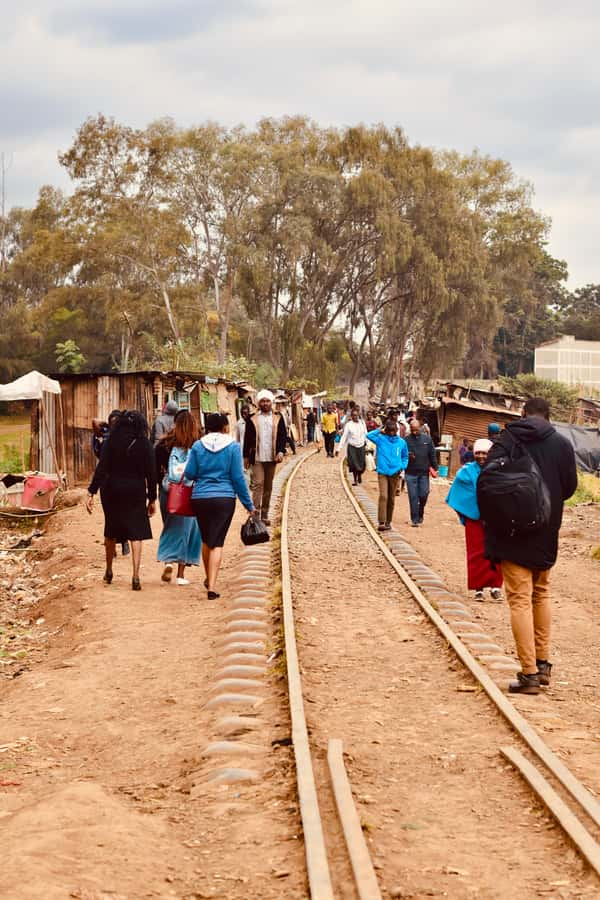
Public transport is included, which adds useful context to the experience. You are not being delivered directly to a carefully selected photo point. You travel as part of the city’s normal movement, then continue on foot with the guide.
This matters because Kibera is part of Nairobi, not an isolated attraction. The transport segment helps you understand that residents commute, shop, work, and connect with other parts of the city. It also means the outing feels less controlled than a private car tour.
The tradeoff is comfort and predictability. Public transport can be less private and less spacious than a hired vehicle. The exact vehicle, route, and travel time are not specified, so ask the guide where and how you will meet if the plan involves a mall first. Once you are with the guide, follow the group’s instructions and keep your belongings secure.
Walking the narrow paths
The walking section is the heart of the outing. The guide leads you through local streets and explains the area’s past, present, and efforts to improve living conditions. You are not simply shown a map of Kibera. You are given a local explanation of what happens in the spaces around you.
The route may include several districts, and the guide may point out places tied to the settlement’s history and current life. Because this is a working neighborhood, what you see can change from one day to the next. The experience is best approached with patience rather than a checklist of attractions.
Walking conditions are a serious practical issue. The tour is not suitable for wheelchair users or people with visual impairments, and it is not recommended for babies under one year or children under five. Anyone over 95 is also listed as unsuitable for the activity. These limits are not minor fine print. Narrow paths, uneven surfaces, crowds, and the need to follow a local route can make the outing physically demanding.
A few more Nairobi trips worth comparing
- Nairobi National Park Half-Day Tour; Free Wi-Fi connection
★ 5.0 · 878 reviews - Nairobi: National Park & Optional Elephants & Giraffe Center
★ 4.8 · 874 reviews - NAI NAMI: Nairobi Storytelling Tour with Street Children
★ 5.0 · 792 reviews - Nairobi National Park Half-Day Game Drive
★ 4.5 · 738 reviews
Meeting residents with respect

The best part of this experience is the chance to see people as neighbors and workers rather than as scenery. The guide can explain how residents manage daily life with limited resources and how local groups and government agencies are working on infrastructure and living conditions.
You should ask questions, but keep them respectful. Avoid treating the community as a curiosity or assuming that every person wants to be photographed. Ask your guide before taking pictures of people, homes, businesses, or children. A small amount of courtesy changes the tone of the entire visit.
The guide’s connection to a home and family can help you understand Kibera at a personal level. One reported route has included a house, a factory, a pub, and several districts. These stops are valuable because they show different sides of local life: where people live, where they work, where they socialize, and how goods or services are produced.
The exact stops can vary. Do not book this expecting a fixed museum-style display. Book it for conversation and first-hand explanation.
Local snacks and the food market

A break for local snacks and a visit to a food market add a welcome sensory element. Food markets reveal how a neighborhood feeds itself, trades goods, and organizes daily routines. The snack stop can also give you a natural pause during the walk.
The supplied details do not specify which foods are served, how much they cost, or whether the snack is included in the $20 price. Ask before buying anything if you have allergies or dietary restrictions. It is also sensible to carry water, since the three-hour route includes walking and public transport.
A market visit calls for the same care as the rest of the tour. Do not block stalls, handle goods without permission, or photograph people at close range without asking. Your guide can help you understand what is happening and when it is appropriate to stop.
What the guide adds to the experience
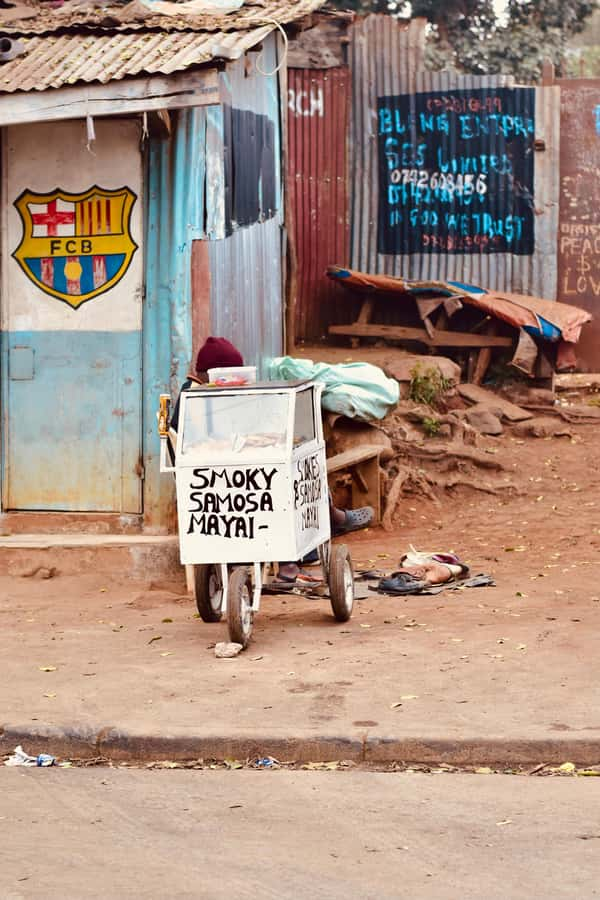
The guide is the difference between seeing Kibera and understanding a small part of it. A general city guide might give you statistics and move on. A local guide can explain why a path matters, how an area has changed, what residents do for work, and which community projects are making a difference.
Musa has been especially praised for explaining the area clearly and making the outing friendly. Moses has also been described as an excellent guide who can provide information about several parts of Kibera. Names and guide assignments may change, so do not assume that you will receive a particular person unless the provider confirms it.
You should also be ready for a personal style of guiding. The experience may include stories about the guide’s home, family, and surrounding area. For many people, this is the most meaningful part. If you prefer a formal lecture with fixed timings and polished facilities, this tour may feel less structured than you want.
Is $20 good value?
At $20 per person, the price is fair for a three-hour guided outing that includes public transport and local access. You are paying for time, explanation, route knowledge, and a personal connection to the area rather than an entry ticket to a single attraction.
There is no entrance fee required to access Kibera, so the value depends almost entirely on the guide and the way the walk is organized. That makes choosing the right expectations important. You are not paying to enter a monument or a managed cultural center. You are paying for a guided encounter with a living community.
The price is strongest for people who want context and direct conversation. It is less compelling for anyone seeking comfort, privacy, or a highly predictable sightseeing schedule. If the guide is attentive and the group stays small enough for questions, $20 buys a useful view of Nairobi that is hard to get from standard city attractions.
Safety, manners, and practical comfort

The tour includes a safety briefing, and the guide provides directions throughout the route. Follow those instructions closely. Keep valuables out of sight, stay with the guide, and avoid wandering into side paths independently.
The activity description does not provide a group size, hotel pickup, or detailed vehicle information. You should confirm these points if they matter to you. The meeting information also refers both to a mall and to the main gate of Olympic Primary School, so clarify where you should actually begin.
Wear shoes suited to walking and bring water. The route includes public transport, narrow paths, sightseeing, and a break. The tour is conducted in English, so you should be comfortable asking and answering questions in English.
Children under five are not accepted, and babies under one year are not suitable. Wheelchair users and people with visual impairments should choose another Nairobi activity. Those over 95 are also excluded in the activity guidance.
Cancellation is flexible: you can cancel up to 24 hours before the start for a full refund. You can also reserve now and pay later, which helps if your Nairobi plans are still taking shape.
Who should book this tour?
I would choose this walk if you want to understand Nairobi through ordinary life rather than only through major attractions. It suits adults and older children who can walk comfortably, listen carefully, and treat the community with respect.
It is also a good choice if you value a local guide’s personal viewpoint. The strongest moments are likely to come from explanation and conversation, especially when the guide connects the route to family, work, housing, and local improvement efforts.
I would not choose it for a relaxed sightseeing day, a private luxury experience, or a fully accessible outing. The paths, public transport, and informal setting require flexibility. You must also be comfortable entering a community where poverty and inequality are visible.
Final verdict: book it for context, not spectacle
Book this Kibera tour if you want a direct, guide-led look at one part of Nairobi that most standard tours skip. The local transport, food market, personal stories, and possible visits to homes, factories, and social spaces give the three hours real substance.
The tour succeeds when you approach it with curiosity and humility. Follow the guide, ask before taking photographs, and expect a living neighborhood rather than a staged attraction. At $20, it offers good value for a personal introduction to Kibera, provided you are physically comfortable with the route and willing to accept some uncertainty about the exact stops.
FAQ
How long does the Kibera Chocolate City tour last?
The tour lasts three hours.
Where does the tour start?
The meeting point is the main gate of Olympic Primary School in Nairobi.
Where does the tour finish?
The tour finishes in Olympic Estate, Nairobi, Kenya.
Is public transport included?
Yes. Public transport to Kibera is part of the tour.
Is an entrance ticket required for Kibera?
No. No entry ticket is needed to access the settlement.
What language is the tour conducted in?
The live tour guide speaks English.
What can I see during the tour?
The experience includes walking, sightseeing, local snacks, a food market visit, and a safety briefing. Past routes have also included districts of Kibera, a home, a pub, and a factory.
Is the tour suitable for wheelchair users?
No. The activity is not suitable for wheelchair users.
Can children and babies join the tour?
Children under five and babies under one year are not suitable for the activity.
Can I cancel and receive a refund?
Yes. You can cancel up to 24 hours in advance for a full refund. You can also reserve now and pay later.
Just added around Nairobi
- Visit kibera Slum the chocolate city★ 4.8 · 3 reviews
- Day Tour to Nairobi national park, Elephants, and Giraffe Center★ 3.5 · 8 reviews
- Explore local Market matatu ride & Make Kenyan Cuisines with a home cook★ 5.0 · 8 reviews
- Kibera Slum Tour with a Local★ 5.0 · 15 reviews
- Urban Forest Tour in Nairobi★ 5.0 · 7 reviews
- Vegans special safari★ 4.5 · 4 reviews
- Private Mini Safari Tour in Nairobi★ 5.0 · 6 reviews
- Private Kenyan Cooking Class in Nairobi with a Local★ 5.0 · 3 reviews
Kibera Slum Tours, compared.



Nairobi: Kibera Slum Tour with Local Social Entrepreneurs
Read our review →



Browse the lists this tour appears in