

Reviewed · KIBERA SLUM TOURS
Kibera Slum Guided Tour from Nairobi
Kibera is not a sightseeing backdrop. It is home to roughly 250,000 people, and this guided walk takes you past schools, workshops, vendors, and homesteads while explaining how daily life works. The animal-bone craft workshop and the basic water and shower services offer a close look at local enterprise and practical problem-solving.
I like the small group limit of eight, which should make walking through narrow, uneven streets easier and give you more room to ask questions. I also like that the tour includes hotel pickup and drop-off, removing the hassle of arranging transport to an unfamiliar part of Nairobi.
The main consideration is the setting. The three-kilometer walk can be hilly, muddy after rain, and uncomfortable for anyone expecting a polished attraction. You must keep photography limited, ask permission first, and avoid flashy clothing or equipment.
Key Points Before You Book
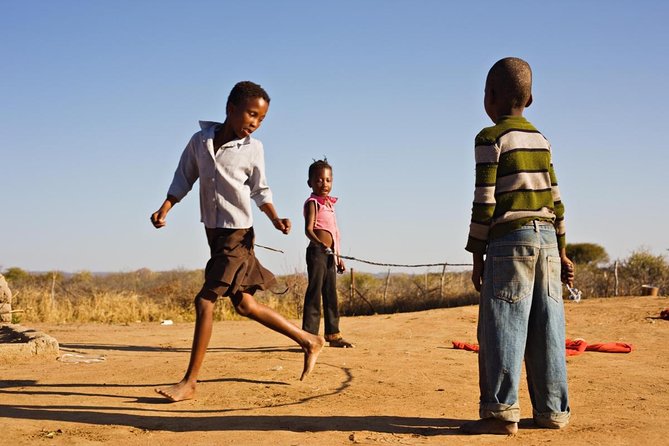
- Walk about three kilometers through Kibera: The route passes through Soweto Village, schools, workshops, vendors, and residential areas.
- See local enterprise in action: A curio workshop shows how artisans make ornaments from animal bones.
- Visit everyday services: You pass a water vendor and a shower shop, useful examples of how basic needs are supplied.
- Hotel pickup starts at 8:30 a.m.: Transport is included from your Nairobi hotel, along with the return trip.
- Expect uneven ground: Covered shoes are strongly advised, and sandals are a poor choice.
- Keep the visit respectful: Ask before taking photographs, leave valuables behind, and do not hand out money.
Why This Kibera Walk Is Different From Ordinary Nairobi Sightseeing

Many Nairobi tours focus on wildlife, museums, or major landmarks. This one takes you into a lived-in urban community where the important details are ordinary ones: how people get water, where children learn, how goods are made, and how small businesses serve local needs.
That change in focus matters. You are not simply looking at buildings or taking a quick drive past Kibera. You are walking along its main road and meeting the practical systems that support daily life. Your guide provides the context, helping you understand both the difficulties and the ways residents create opportunities.
I find the approach valuable because it avoids presenting Kibera as only a place of poverty. The problems are clearly visible, but so are work, education, craftsmanship, and local initiative. At the same time, you should not expect the visit to soften the harsher parts of the setting. This is a serious experience, not light entertainment.
The tour is also deliberately small. With a maximum of eight people, you are less likely to form a large crowd in narrow lanes. A small party can listen more easily and move with less disruption, though respectful behavior still depends on every person in the group.
More guided Kibera walks:
- Nairobi: Explore Kibera Slum with Local Guides
★ 4.9 · 365 reviews - Kevins Kibera Slum Tours
★ 5.0 · 213 reviews - Nairobi: Kibera Slum storytelling tour with a Local
★ 5.0 · 185 reviews
Starting at 8:30 a.m. From Your Nairobi Hotel
The day begins with pickup from your hotel at 8:30 a.m. The included transport follows Ngong Road, passing Uchumi Supermarket, then turns near the Nakumatt Supermarket toward the Kibera DO headquarters and Bombolulu stage.
These route details help you understand the transition. You leave the familiar hotel and commercial areas of Nairobi and approach the point where the walking portion begins. You do not need to find your own way to Kibera, which is a real benefit when you are unfamiliar with the city.
The total experience lasts about six hours, although the supplied schedule gives only a short stated duration for the walking portion. Plan for a substantial morning and early afternoon, and do not arrange another fixed activity too close afterward. Food and drinks are not included, and lunch is also excluded, so plan accordingly.
A professional guide accompanies you. No guide name is provided, so you should not book this expecting a specific individual. The most important quality here is the guide’s ability to explain the area with care, keep the group together, and set sensible rules for respectful contact and photography.
Walking the Three-Kilometer Main Kibera Road
At Bombolulu stage, the walking section begins. You descend onto the roughly three-kilometer Main Kibera road, entering the area on foot rather than viewing it from a vehicle.
The walk is part of the point. From ground level, you see the practical shape of the community and how people move through it. You may encounter crowded pathways, uneven surfaces, and difficult footing. One account describes walking between houses in mud after heavy rain, so weather can change the experience quickly.
Wear covered shoes with a firm sole. Sandals are not recommended, and that advice is more than a comfort note. The road is hilly and uneven, and muddy conditions can make every step less secure. Clothing should also be modest and not brightly colored or exposing.
You should keep bags and valuables to a minimum. The tour instructions advise leaving passports, backpacks, purses, and large amounts of money at your hotel. Flashy items, SLR cameras, and miscellaneous electronics are also discouraged. This keeps you less conspicuous and makes walking easier.
The setting may feel confronting. You are likely to notice dirt, crowded housing, and limited services. The point is not to pretend those conditions are acceptable or normal for everyone. It is to see them clearly while also paying attention to the people, skills, and systems that operate within them.
Soweto Village and the Human Side of the Visit

The route includes Soweto Village homesteads. This is where the experience can feel most personal, since you are passing through residential areas rather than an arranged display made for tourists.
That closeness requires restraint. You are moving through someone’s home area, not a film set. Keep your voice down, follow the guide’s directions, and do not photograph people, houses, or children without permission. The advice to keep photos to a minimum is important even if you have a good camera or want to document the day.
A visit like this can help you understand Kenyan life outside the usual tourist circuit. It also asks you to accept that not every moment will be comfortable or visually pleasing. The value comes from listening and observing, not collecting dramatic images.
I would be particularly careful around schools and homesteads. Children may be curious about visitors, but curiosity does not equal permission to photograph. Let the guide explain what is appropriate, and remember that a small donation handed directly to a child is not a substitute for responsible engagement.
A few more Nairobi trips worth comparing
- Nairobi National Park Half-Day Tour; Free Wi-Fi connection
★ 5.0 · 878 reviews - Nairobi: National Park & Optional Elephants & Giraffe Center
★ 4.8 · 874 reviews - NAI NAMI: Nairobi Storytelling Tour with Street Children
★ 5.0 · 792 reviews - Nairobi National Park Half-Day Game Drive
★ 4.5 · 738 reviews
The Animal-Bone Curio Workshop
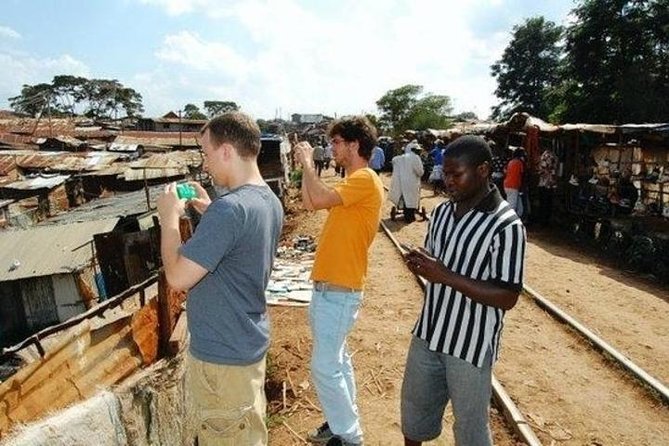
The curio workshop is one of the tour’s most distinctive stops. You see artisans making ornaments from animal bones, an example of turning available materials into saleable handcrafts.
This stop gives the tour a useful economic angle. Kibera is often described only through its needs, but a workshop shows people producing goods and building skills. The work also gives you something concrete to discuss with your guide: how materials are used, how objects are made, and how small enterprise fits into the wider community.
Souvenir photos are not included, though they may be available for purchase. Before taking any picture, ask permission. If you wish to buy something, do so thoughtfully and without treating the workshop as a compulsory shopping stop.
The word curio can make a workshop sound like a tourist trap, but the supplied information points to a working craft space. Still, you should keep your expectations realistic. This is a brief stop within a longer community walk, not a full craft lesson or a dedicated shopping session.
Schools, Pupils, and a View Over the Valley

The visit continues to nursery schools. You may see classrooms and, according to the detailed account of the experience, the rooms used by pupils and the kitchen. This offers a look at how education functions within the community and gives your guide another chance to explain local challenges and opportunities.
A school visit needs special care. Children are not part of the tour for your entertainment, and photographs should only happen with clear permission. Listen first, and avoid interrupting lessons or treating pupils as photo subjects.
The route also includes a view of the valley from the terrace of a high building. This gives you a broader sense of Kibera’s size and physical setting after walking through its tighter lanes. It can be useful to pause there and connect the close-up details of the route with the wider area.
Do not expect a formal observation deck. The information describes a terrace, not a purpose-built viewing platform, so access and comfort may be basic. The reward is the change in perspective, not polished visitor facilities.
Water Vendors and Shower Shops

The water vendor and shower shop are small stops, but they may be among the most revealing. Water and washing facilities are basic parts of life that visitors often overlook when they think about urban infrastructure.
Seeing these services in person helps you understand how daily needs are handled. A vendor supplies water, while a shower shop provides a paid place to wash. Your guide can connect these businesses to the larger question of how residents manage services that many visitors take for granted.
This is also where the tour’s practical value becomes clear. You are not only hearing broad statements about hardship. You are seeing specific services and businesses that make ordinary routines possible.
Keep the visit brief and respectful. Do not block customers, handle equipment, or photograph people without permission. The most useful response is attention, not pity.
What the $80 Price Really Covers

The price is $80 per person. That is not a small add-on for a quick stop, but the experience lasts about six hours and includes hotel pickup, drop-off, and a professional guide.
The value depends on what you want from a Nairobi visit. If you are looking for a polished attraction, included meals, or extensive sightseeing, this may not feel like the best use of your money. Food, drinks, lunch, and souvenir photos are excluded, and the walk itself takes place in a basic setting.
If you want guided access and context in a place you should not casually explore on your own, the price makes more sense. Transport simplifies the day, the group is capped at eight, and the guide links the school, workshop, homesteads, and vendors into one experience rather than leaving you to interpret isolated sights.
Group discounts are offered, which may improve the value for families or friends booking together. Because the tour is booked well in advance on average, check availability before building the rest of your Nairobi schedule around it.
Free cancellation is available if you cancel at least 24 hours before the start time. Changes or cancellations made within 24 hours are not accepted for a refund, and the local start time controls the deadline.
How to Prepare for a Respectful Visit
Your behavior will shape the experience for the people you meet. The tour’s advice is straightforward:
- Wear covered shoes suited to hills and uneven ground.
- Keep clothing modest and avoid bright colors.
- Leave passports, backpacks, purses, and large amounts of cash at the hotel.
- Avoid flashy cameras and unnecessary electronics.
- Ask permission before every photograph.
- Keep photography limited.
- Do not give money directly to residents.
- Keep an open mind and follow the guide’s instructions.
The request not to hand out money deserves special attention. Direct giving can encourage the idea that visitors are walking wallets and can alter how residents interact with future groups. If you want to support local work, buying an appropriate craft from the workshop may be a more respectful option, though the tour does not require you to purchase anything.
You should also prepare emotionally. The route may show conditions that are hard to see. One account describes muddy walking after heavy rain, and another focuses on school rooms, a kitchen, and the view from a building terrace. The experience can shift quickly between difficult conditions and examples of practical local effort.
Who Will Get the Most From This Tour?
This tour suits you if you want direct contact with an important part of Nairobi that most sightseeing programs skip. It is a good fit for visitors interested in social issues, education, local business, Kenyan culture, and the everyday work of making a community function.
It also suits people who prefer a guide to explain what they are seeing. The area is not presented as a self-guided walk, and the commentary gives structure to places that could otherwise be confusing or easy to misunderstand.
You may want to choose another activity if you dislike uneven walking, feel uncomfortable entering residential areas, or want a relaxed day with cafés and formal attractions. The physical conditions are basic, the photography rules are strict for good reason, and the subject matter can be upsetting.
Most people can participate, according to the tour information, but no detailed accessibility information is provided. If you have mobility needs, ask for current conditions before booking, especially because the route is hilly and uneven.
Should You Book the Kibera Guided Tour?
Book it if you want to understand Nairobi beyond its standard sights and are ready to walk respectfully through a real residential community. The small group, hotel transport, school visit, craft workshop, and practical stops at water and shower services give the day a clear purpose.
Skip it if you are mainly seeking attractive photos or a comfortable cultural outing. Kibera is not a stage set, and the strongest parts of the experience may be the least polished: mud after rain, cramped paths, basic services, and difficult questions about inequality.
For the right visitor, the $80 cost pays for access, context, transport, and a more grounded view of Kenyan life. Go with covered shoes, modest clothing, limited valuables, and a willingness to listen.
FAQ
How long does the Kibera guided tour last?
The experience lasts approximately six hours.
What time does the tour begin?
Hotel pickup begins at 8:30 a.m.
Is hotel pickup and drop-off included?
Yes. Hotel pickup and drop-off in Nairobi are included.
How many people can join the tour?
The maximum group size is eight people.
What does the tour price include?
The price includes a professional guide and hotel pickup and drop-off.
Are food, drinks, or lunch included?
No. Food, drinks, and lunch are not included.
What should I wear for the walk?
Wear covered shoes. Sandals are not recommended because the route is hilly and uneven.
Can I take photographs during the tour?
Keep photography to a minimum and always ask permission first. Flashy cameras and other unnecessary electronics should be avoided.
Can I cancel for a full refund?
Yes, if you cancel at least 24 hours before the experience starts. Cancellations or changes made less than 24 hours before the start time are not accepted for a refund.
Just added around Nairobi
- Visit kibera Slum the chocolate city★ 4.8 · 3 reviews
- Day Tour to Nairobi national park, Elephants, and Giraffe Center★ 3.5 · 8 reviews
- Explore local Market matatu ride & Make Kenyan Cuisines with a home cook★ 5.0 · 8 reviews
- Kibera Slum Tour with a Local★ 5.0 · 15 reviews
- Urban Forest Tour in Nairobi★ 5.0 · 7 reviews
- Vegans special safari★ 4.5 · 4 reviews
- Private Mini Safari Tour in Nairobi★ 5.0 · 6 reviews
- Private Kenyan Cooking Class in Nairobi with a Local★ 5.0 · 3 reviews
Kibera Slum Tours, compared.



Nairobi: Kibera Slum Tour with Local Social Entrepreneurs
Read our review →



Browse the lists this tour appears in